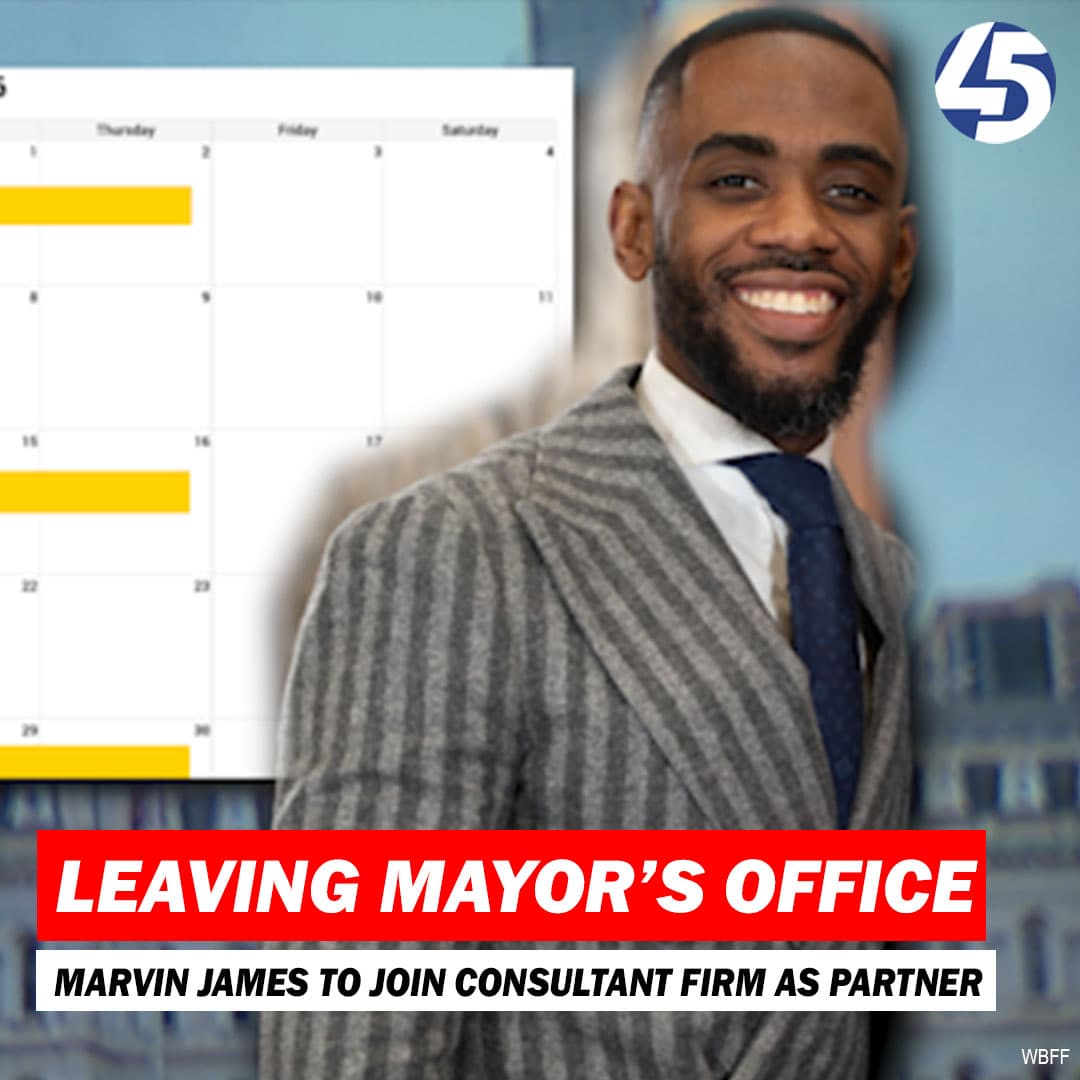
Baltimore settles suit with Hanover Armory for $2 million over ghost guns
Hanover Armory will pay Baltimore $2 million and stop selling ghost-gun parts, but the real test is whether the new reporting rules cut the pipeline.
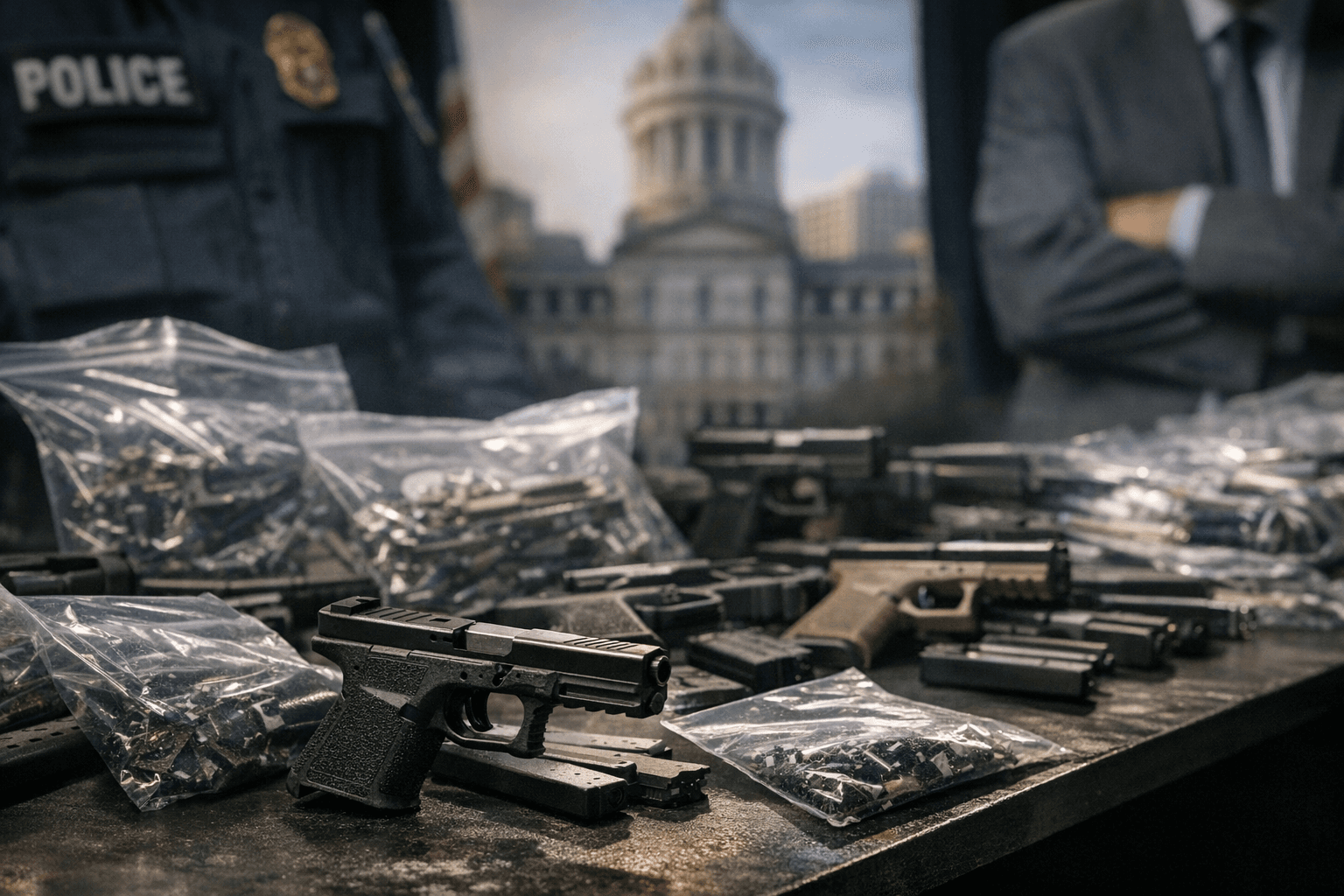
Baltimore is betting that a $2 million settlement with Hanover Armory will do more than collect money. The deal forces the Anne Arundel County gun dealer to stop selling ghost-gun parts, report prohibited purchase attempts, and open its sales records to city review, turning a courtroom fight into an ongoing check on how firearms move through the region.
The agreement replaces a far larger court victory. Baltimore accused Hanover Armory in 2022 of repeatedly selling unserialized gun kits without properly checking whether buyers were barred from owning firearms. A Baltimore City jury sided with the city on August 27, 2025, awarding $62 million in damages, which city officials said was the largest verdict ever against a gun dealer defendant in American history. Hanover appealed, and the case ended in settlement instead.
Under the new terms, Hanover must notify Baltimore whenever someone who is prohibited from buying a firearm tries to make a purchase or when a straw purchase is attempted. The dealer also agreed not to sell unserialized gun kits, Glock-style conversion devices, bump stocks, or forced-reset triggers. Baltimore will be able to review annual sales reports, giving city officials a way to track whether the restrictions are being followed over time.
City officials said the money will support gun-violence-prevention work, including restoring programs that lost federal funding in 2025. That puts the settlement squarely into the city’s broader effort to link legal pressure on gun sellers with street-level violence reduction. Baltimore has credited violence-interruption work, along with enforcement and prevention efforts, with helping drive a historic drop in gun violence.
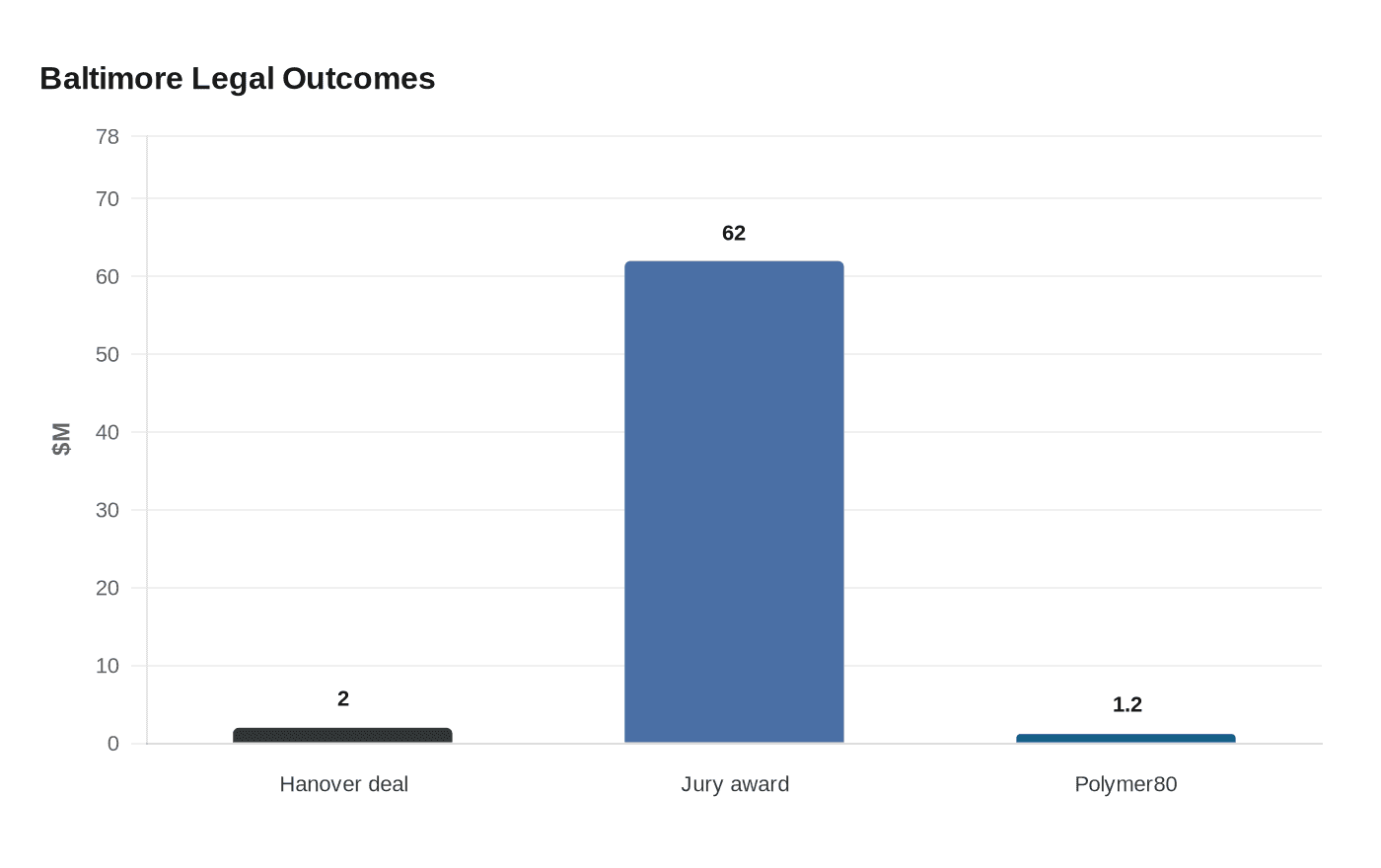
The Hanover deal builds on Baltimore’s earlier case against Polymer80, Inc., which ended in a $1.2 million settlement on February 21, 2024. That agreement permanently barred Polymer80 from selling ghost gun kits in Maryland and from advertising ghost guns in the state. Baltimore says that case helped produce a dramatic reduction in ghost-gun recoveries, and local data showed Baltimore police seized 12 ghost guns in 2018 before recoveries surged in later years. Local coverage also showed ghost-gun seizures fell 24% in 2024 compared with 2023.
For Baltimore, the practical question now is whether the Hanover settlement changes behavior at the counter, not just in the courthouse. The city is trying to use civil litigation as an enforcement tool, with the payout, the reporting requirements, and the product bans all aimed at making hard-to-trace guns harder to buy, assemble, and move through Baltimore’s streets.
This article was produced by Prism’s automated news system from verified source data, official records, and press releases, then run through automated quality and moderation checks before publishing. The system is built and supervised by the people who set the standards it runs under. Read our full AI policy.
Did this article answer your question?