Baltimore lawmaker asks attorney general if residents can sue for tax relief
Baltimore lawmakers want an attorney general opinion on whether residents can sue for tax relief, as the city’s 2.248% rate and tax-sale fights keep growing.

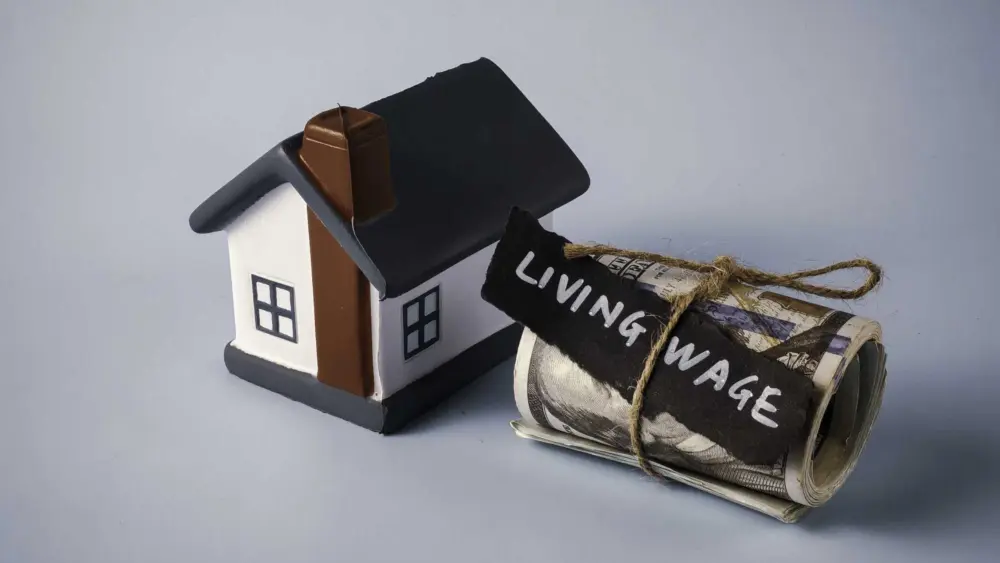
Baltimore homeowners squeezed by the city’s 2.248% real property tax rate may soon learn whether they have a legal route to relief, or only another layer of political pressure. A Baltimore lawmaker has asked Maryland’s attorney general to weigh whether residents can sue the city over property taxes, a question that lands in the middle of a fight over how much Baltimore can charge, who can force changes, and whether past tax treatment can be challenged in court.
The timing is significant. Baltimore’s fiscal 2026 real property tax rate stood at 2.248% per $100 of assessed value, the highest in Maryland. A 2025 ballot proposal would have reduced that rate to 1.2% by fiscal year 2032, but the Supreme Court of Maryland blocked the plan, ruling that voters cannot set property tax rates under the state’s Home Rule framework. That left the city’s tax structure in place, and it raised the stakes for any resident looking outside the ballot box for relief.
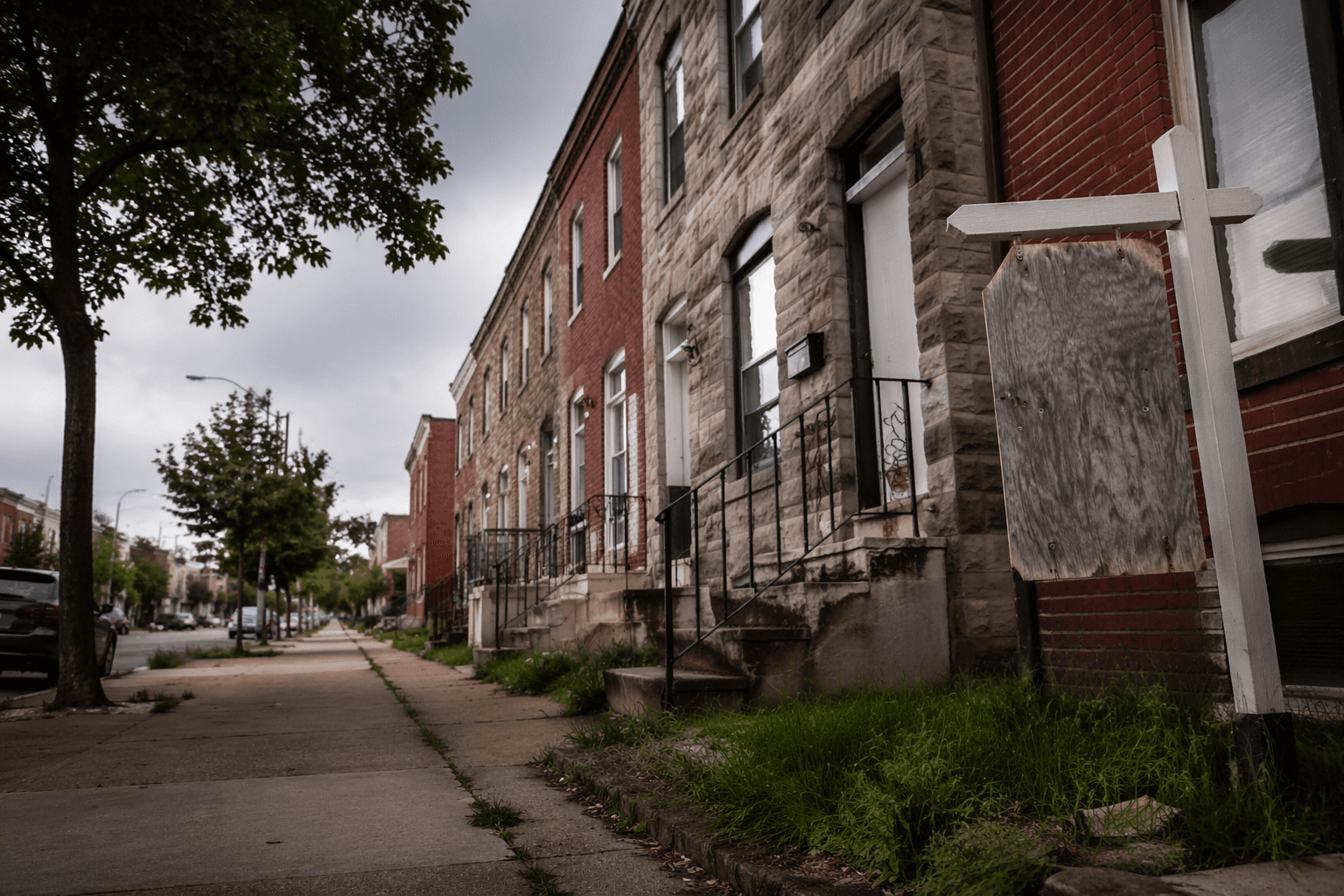
Any lawsuit would face a steep burden. An attorney general opinion could clarify whether residents have standing to sue, but it would not itself cut anyone’s bill. To move forward, a case would likely have to show that Baltimore’s tax treatment violated state law, constitutional protections, or another enforceable legal duty. If that path exists, it could give homeowners a new tool to challenge years of heavy tax burdens. If it does not, the request may amount to little more than pressure on city officials to keep negotiating.
The broader legal fight already underway shows how much is at stake. Maryland Legal Aid filed a federal lawsuit on July 2, 2024, on behalf of the Edmondson Community Organization, challenging Baltimore’s annual property tax lien auction as unconstitutional. The group says the city advertises 15,000 to 20,000 properties in a single closed-bid online tax sale each spring and collects only .003% of its revenue from those sales. In August 2025, a federal judge allowed the case to proceed.
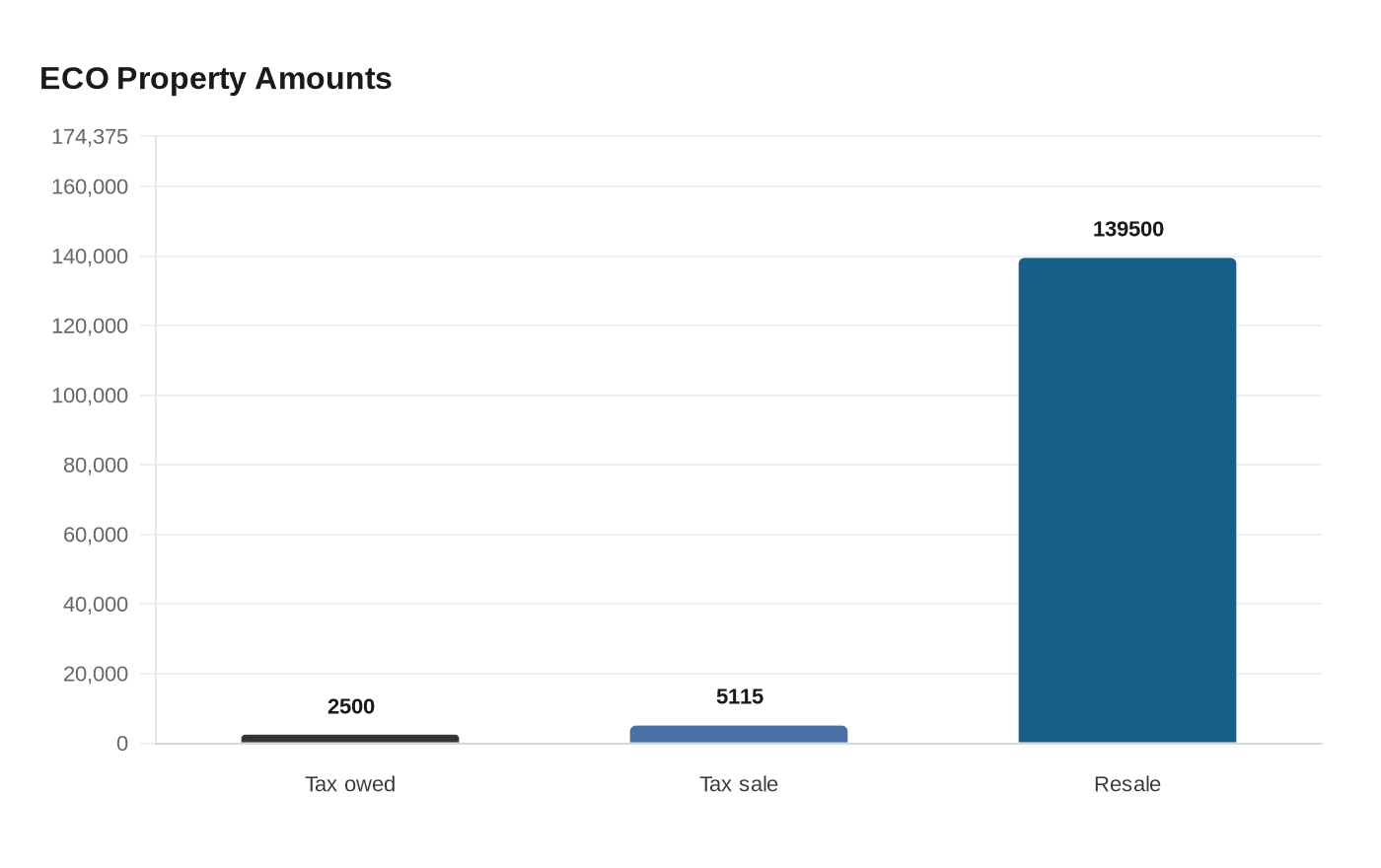
The complaint includes painful examples, including ECO’s own building. The organization said it owed about $2,500 in property taxes when the property was sold at tax sale for $5,115, then later resold for $139,500. The suit also points to the case of Bonita Anderson, a Northwest Baltimore homeowner, as part of a pattern that Maryland Legal Aid says strips equity from low-income Black and disabled residents.
Mayor Brandon M. Scott has tried to blunt the political damage. On February 9, 2026, he announced a three-part property tax relief strategy aimed at bringing the effective residential tax rate below $2.00 per $100 of assessed value in fiscal 2027. The package also included changes to the tax-sale process developed with Maryland Legal Aid, including raising the minimum bid to assessed value and creating payment plans for residents at risk of tax sale, a first in city history.
For Baltimore, the practical question is no longer whether property taxes are a problem. It is whether residents can force relief through the courts, or whether the city can keep the issue inside City Hall while homeowners keep paying the bill.
This article was produced by Prism’s automated news system from verified source data, official records, and press releases, then run through automated quality and moderation checks before publishing. The system is built and supervised by the people who set the standards it runs under. Read our full AI policy.
Did this article answer your question?