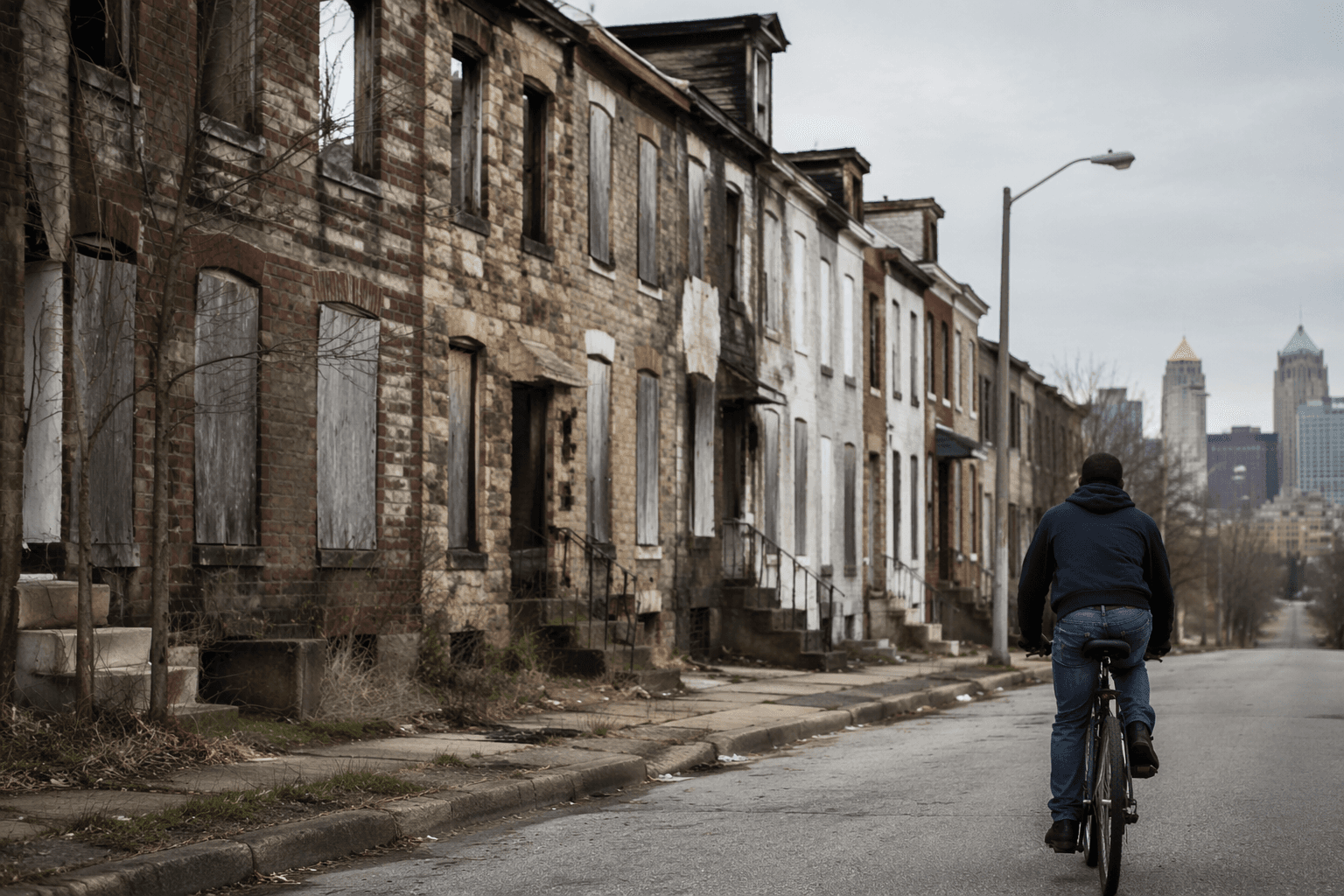
Baltimore lead-paint bridge cleanup could take years, state says
Lead paint is flaking from six Baltimore-area bridges, and the city says full cleanup could take years because certified contractors are scarce.
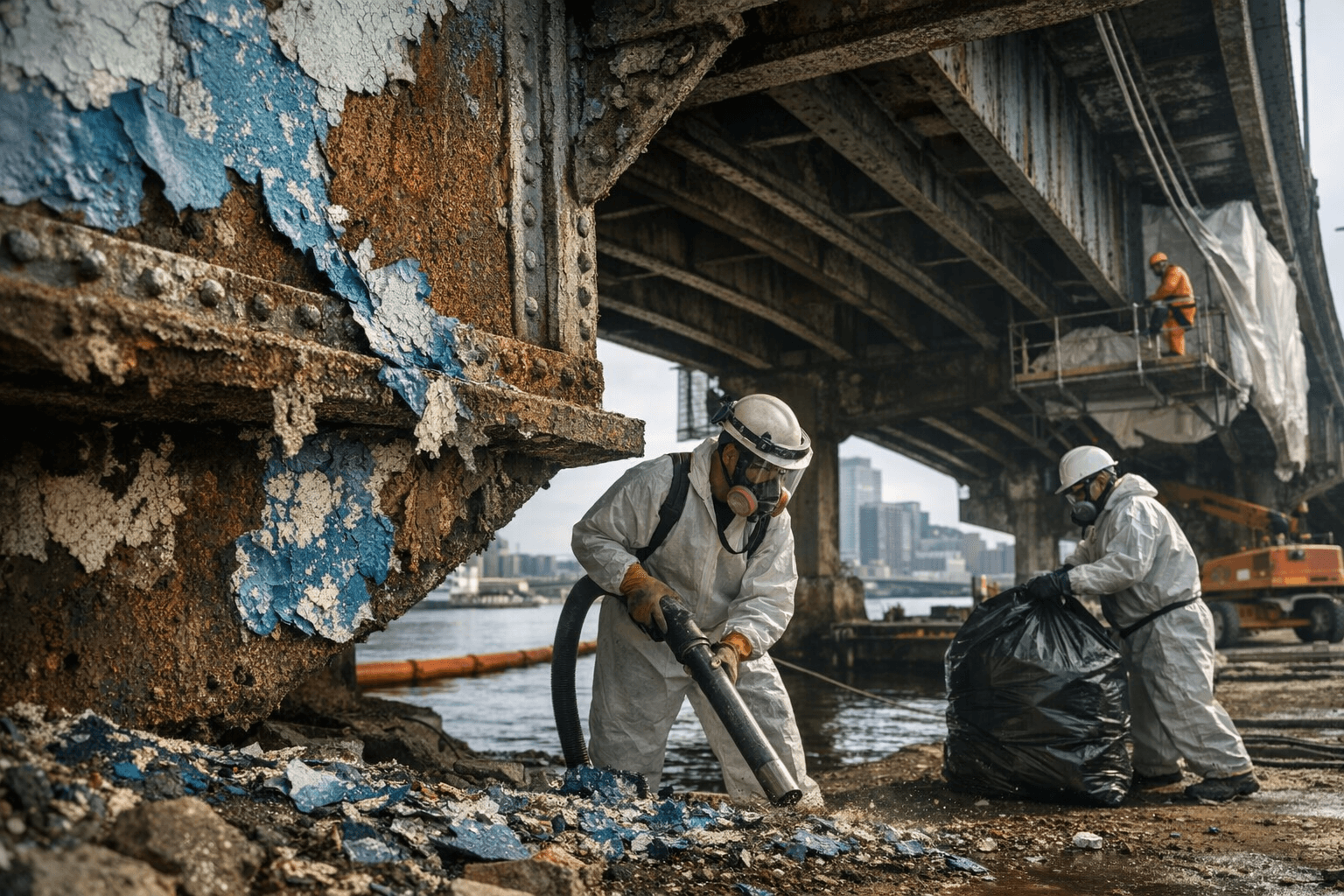
Lead paint is flaking from six Baltimore-area bridges and overpasses, sending chips toward sidewalks, streams and trails near Jones Falls, Hampden and downtown Baltimore. State officials say the contamination is a public-health and water-quality problem, and the full cleanup could take years because the work requires specialized contractors who are in short supply.
Three of the affected structures are managed by Baltimore City: the W. 28th Street overpass, the Orleans Street overpass at Guilford Avenue, and the I-83 overpass at Exit 8 in Hampden. The other three are under the Maryland State Highway Administration: the I-95 overpass at Arbutus Avenue and Potomac Avenue in Halethorpe, the I-95 overpass at Park Entrance Road, and the I-695/Putty Hill Avenue overpass in Parkville. That puts the problem on both city and state hands, with commuters, nearby residents and people using the Jones Falls corridor all exposed to the fallout of peeling paint.
Baltimore City’s transportation department said in an April 2 letter that its bridge engineering and maintenance divisions are neither trained nor certified to remediate lead-based paint. The city’s on-call contractor, Allied Contracting, also could not find any of the companies on the state’s cleanup list that were able to do the work. Maryland requires lead-abatement service providers to be trained and accredited, and state officials are reviewing response plans from both the city and the highway administration while they sort out short-term containment and longer-term remediation.
The contamination is measurable. Blue Water Baltimore said chips from the 28th Street Bridge tested at nearly 36 times the standard amount of lead. WMAR reported lead levels of 5.5 times the standard in chips from the Orleans Street overpass and about 9 times the standard at the I-95 overpass at Potomac and Arbutus avenues. The group says Baltimore’s watersheds cover 194 square miles and 454 miles of stream, a network that can move pollution toward the Jones Falls, the Patapsco River and other waterways that run through the city.
The bridge problem comes as Maryland has been using enforcement tools in other lead cases, including a recent $2.2 million settlement over lead paint from a Baltimore television tower that contaminated surrounding communities. For Baltimore, the bigger warning is that this is not a quick patch job. With six sites identified and a limited pool of certified firms, the lead cleanup is now shaping up as a long-term public-health and infrastructure burden.
This article was produced by Prism’s automated news system from verified source data, official records, and press releases, then run through automated quality and moderation checks before publishing. The system is built and supervised by the people who set the standards it runs under. Read our full AI policy.
Did this article answer your question?