Baltimore leaders face audit over breakdowns in revenue tracking
Baltimore officials could not say how much revenue was missing as auditors flagged breakdowns in collecting taxes, fees and tickets.

Baltimore taxpayers could be left paying the price when City Hall cannot reliably track and collect money already owed for parking tickets, permits, fines and business fees. Auditors said Baltimore leaders could not immediately explain how much revenue had been lost, even as the city faces a projected $64 million budget deficit.
The sharpest questions came during a May 20 meeting in Baltimore City, where the latest audit findings pointed to major breakdowns in revenue tracking. That issue reaches beyond bookkeeping. If the city misses bills it is owed, fewer dollars are available for basic services, from staffing and code enforcement to repairs, billing operations and other obligations that already compete for scarce funds.
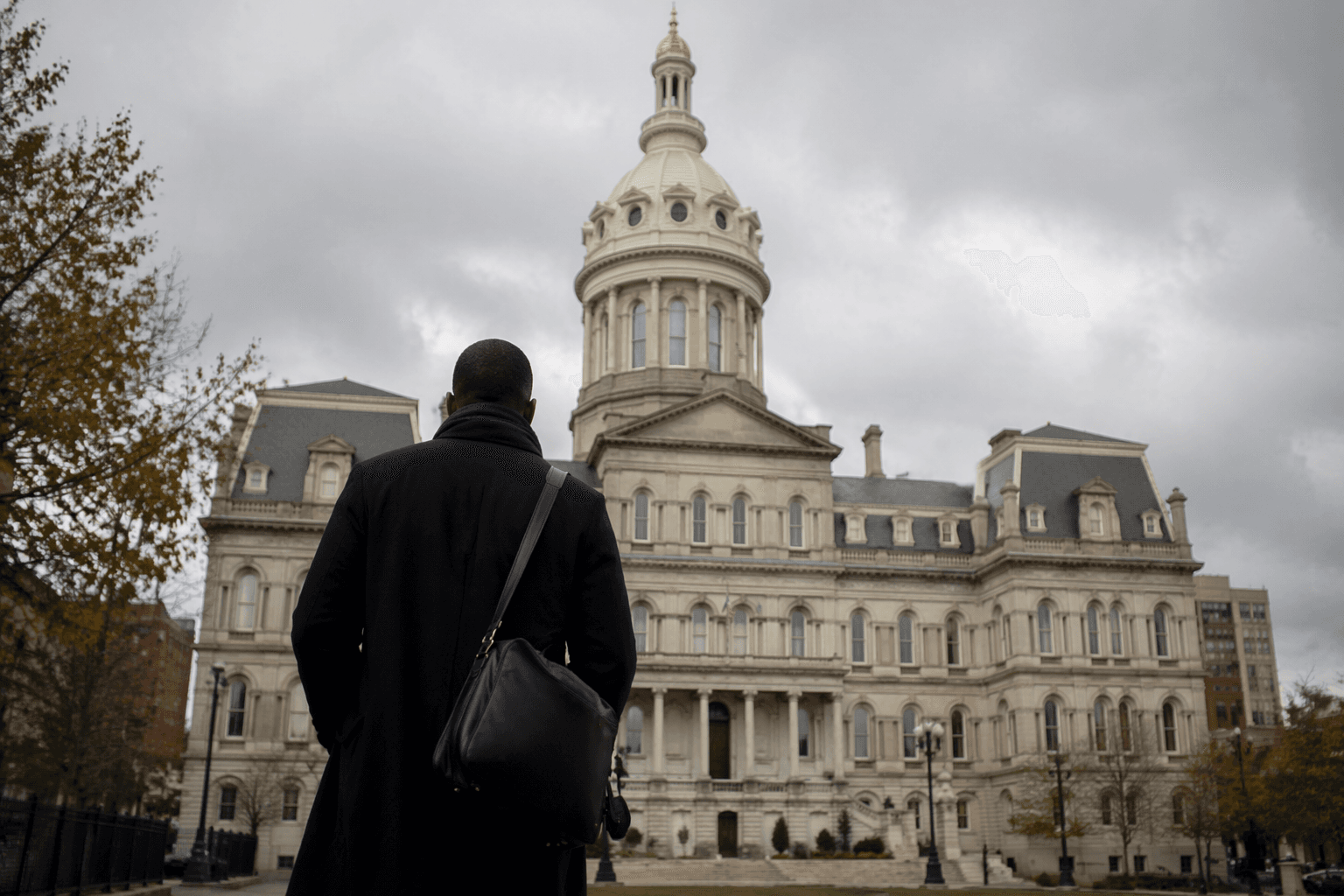
Baltimore’s Department of Finance says its Bureau of Revenue Collections is responsible for collecting all revenue owed to the city through taxes, fines, fees and penalties. The bureau also handles payments, licenses and permits, liens, refunds and adjustments, and property transfer. The city’s Office of the Comptroller says the Department of Audits serves as the independent auditor, with the goal of improving government accountability.
Finance Director Michael Moxon told officials that staffing problems had already been resolved and that new policies were in place. He said the department had recouped more than $4 million in unpaid bills last year. The Department of Finance’s Corporate and Revenue Compliance unit said it recovered more than $15 million in fiscal year 2024 from hotel taxes, parking taxes, parking licenses, annual license fees and other taxes and fees.
Still, the new audit landed amid broader concern about Baltimore’s financial controls. In December 2025, the city’s Biennial Audits Oversight Commission approved a 2026 audit agenda that included a proposed review of the Department of Law’s collection process for unpaid bills. In September 2025, the City Council was told Baltimore had missed state and federal deadlines for filing financial reports for five consecutive years, adding to questions about whether the city’s systems are keeping up with the money it is supposed to bring in.
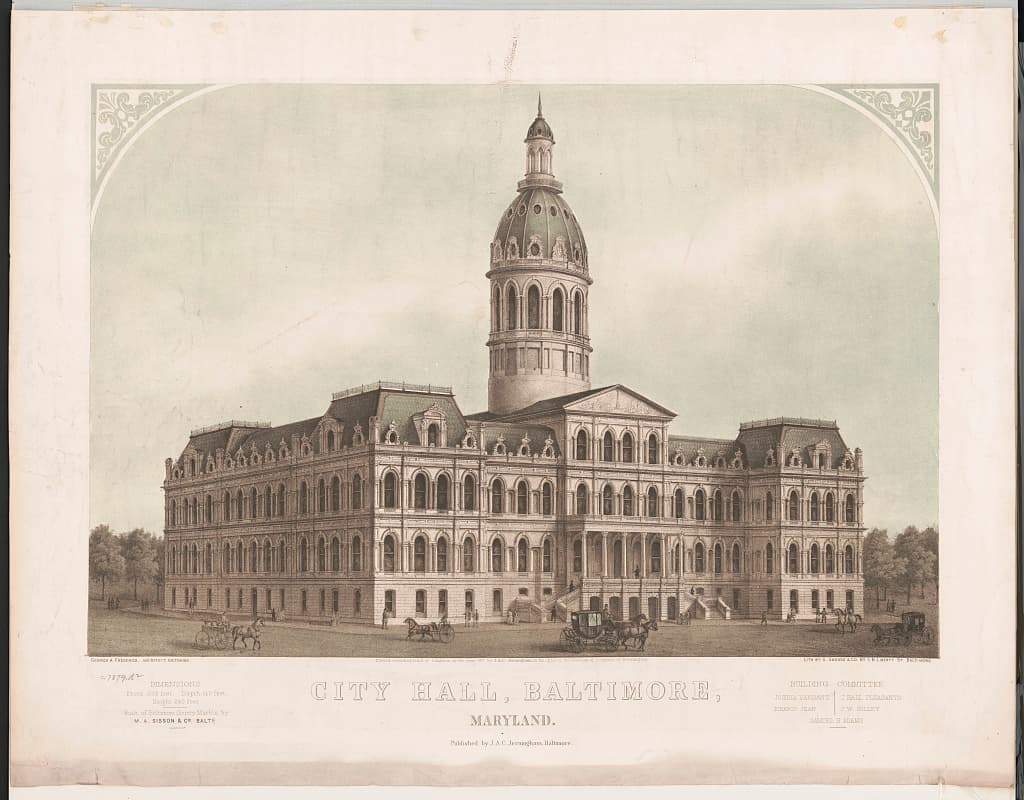
Council President Zeke Cohen said it was “extremely disturbing” that money may not be coming in to pay for city services. The latest audit also sharpened attention on unpaid parking and moving-violation tickets, a familiar source of revenue that can quickly turn into a public burden when collection systems fail. For Baltimore, the central question is no longer whether the problem exists, but how long residents have been carrying its cost.
This article was produced by Prism’s automated news system from verified source data, official records, and press releases, then run through automated quality and moderation checks before publishing. The system is built and supervised by the people who set the standards it runs under. Read our full AI policy.
Did this article answer your question?