Baltimore leaders gather at summit to chart violence prevention strategies
Baltimore County Police joined city leaders at M&T Bank Stadium as the Ravens pledged $1 million to six anti-violence groups and officials cited a 40% drop in homicides.
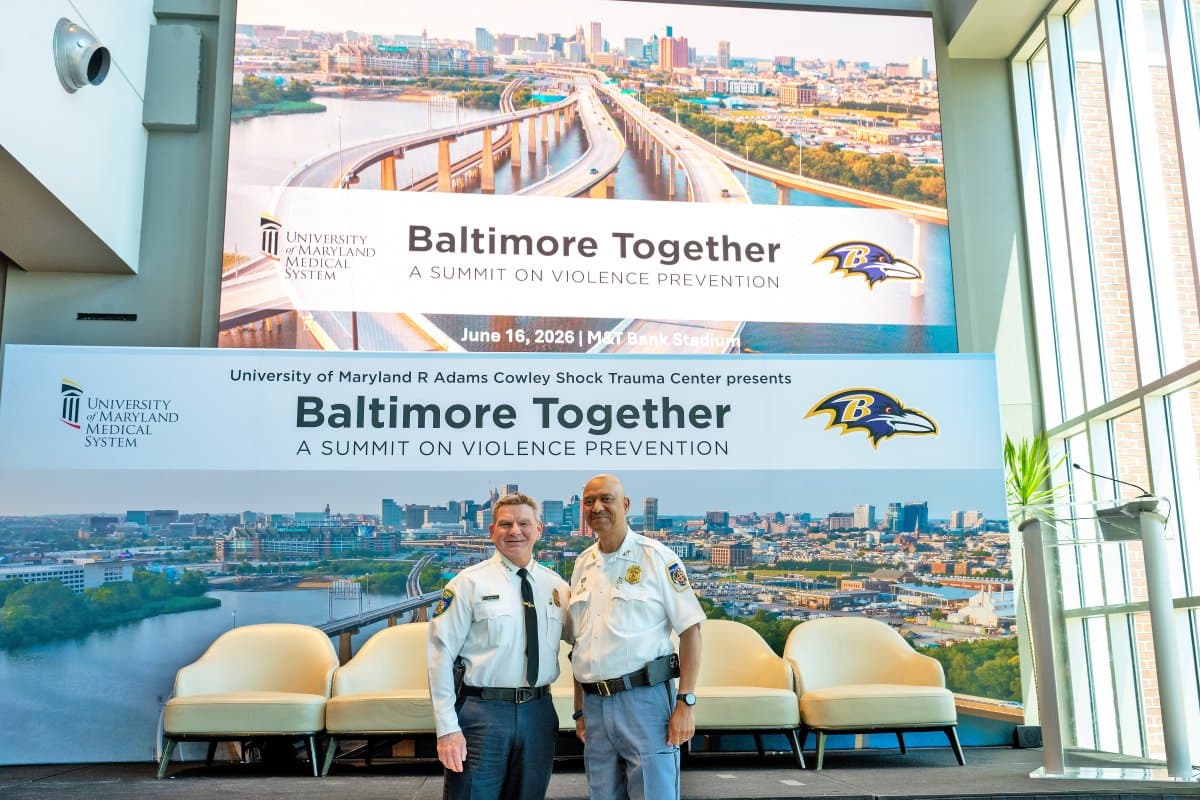
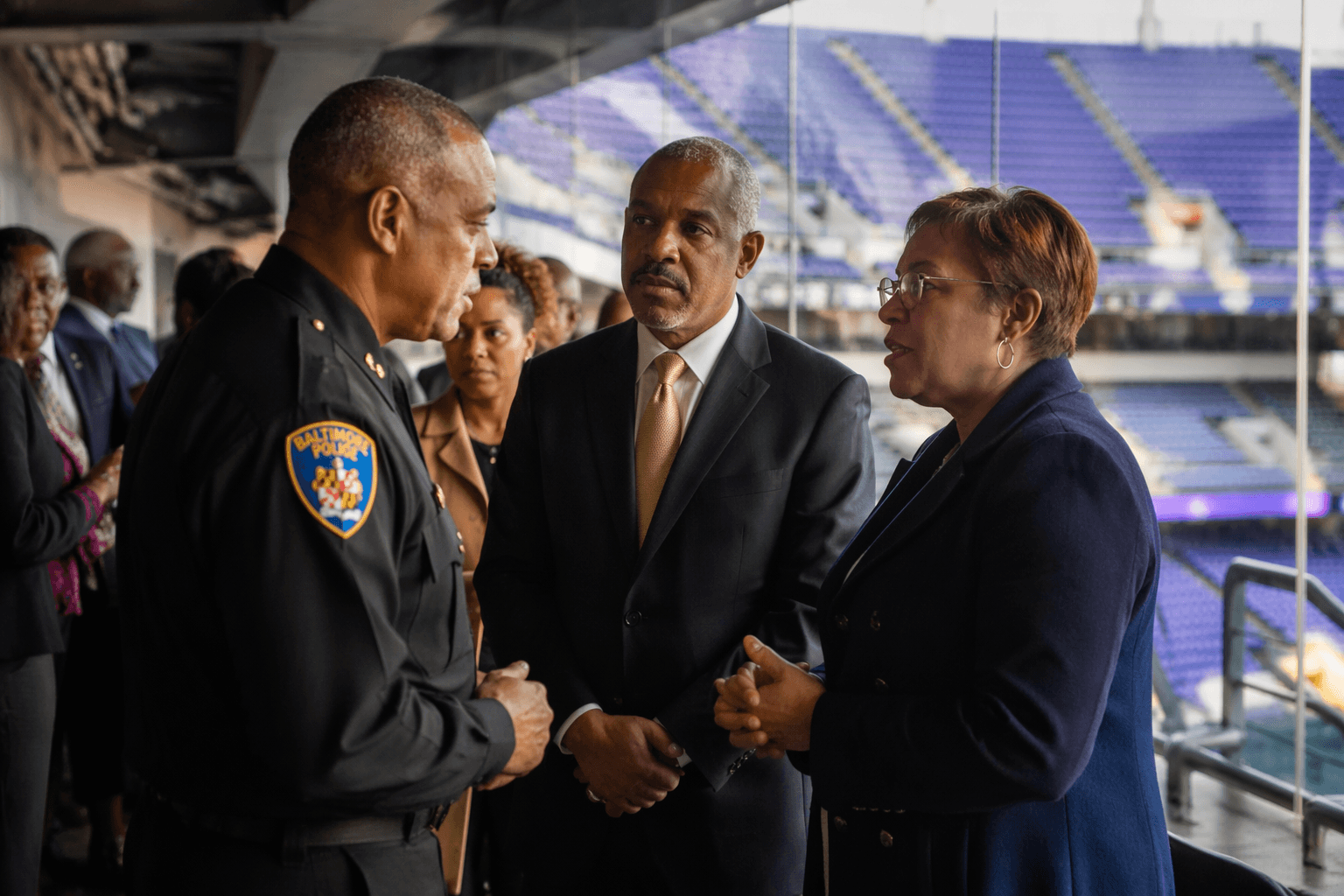
Hundreds of leaders packed M&T Bank Stadium on Tuesday for Baltimore Together, turning a polished summit into a test of whether Baltimore and its regional partners can turn coordination into fewer shootings on the street. Baltimore County Police joined city officials, health care executives and community advocates as leaders from government, philanthropy, public safety and research pushed violence prevention as a shared assignment, not a city-only problem.
The gathering was hosted by the University of Maryland Medical System, the University of Maryland Medical Center and the R Adams Cowley Shock Trauma Center, with support from the Baltimore Ravens. Among those in the room were Mayor Brandon Scott, State’s Attorney Ivan Bates, Police Commissioner Richard Worley, UMMS president and chief executive Mohan Suntha, Shock Trauma physician-in-chief Thomas Scalea, Ravens vice president Heather Darney and violence-prevention expert Nadine Finigan-Carr. Thomas Abt of the University of Maryland’s Center for the Study and Practice of Violence Reduction delivered the keynote, and Scott used an address titled “Baltimore’s Turning Point: Progress, Proof and the Path Forward” to make the case that the city’s public-health approach is producing results.
That argument rested on numbers Baltimore officials have been citing for months. The City Council approved a Comprehensive Violence Prevention Plan in 2020, Scott released the first plan on June 25, 2021, and the city says homicides have fallen more than 40% since then. Baltimore also says the first six months of 2025 recorded the fewest homicides in the city’s recorded history. A June 3 city release citing a University of Pennsylvania Crime and Justice Policy Lab and NBER paper said the city’s Group Violence Reduction Strategy helped drive a 60% drop in homicides from 2022 to 2025, with Baltimore’s homicide rate about 25% below comparable cities and the estimated social value of averted violence roughly 35 times the program’s first-year spending.
The Ravens added fresh money to the conversation. On the same day, the team announced a $1 million investment in six organizations working on gun violence prevention, crisis response, recovery and youth programming. City and team leaders cast that funding as a concrete boost for the neighborhood-based work that has to survive after the summit lights go down. For Baltimore residents, the real scoreboard will be whether those dollars and cross-jurisdiction partnerships show up as fewer emergency calls, fewer retaliation shootings and a steadier drop in the blocks that have carried the city’s violence burden for years.
This article was produced by Prism’s automated news system from verified source data, official records, and press releases, then run through automated quality and moderation checks before publishing. The system is built and supervised by the people who set the standards it runs under. Read our full AI policy.
Know something we missed? Have a correction or additional information?
Submit a Tip