Baltimore warns medetomidine found in Penn-North overdose samples
Penn-North overdose samples tested positive for medetomidine, a veterinary sedative naloxone may not reverse, sharpening Baltimore's overdose warning.
Medetomidine has reached Penn-North, and Baltimore health officials are warning that the veterinary sedative is now part of the city’s overdose landscape. The city said the drug was found in samples tied to the Penn-North overdose cluster on Oct. 8, and state testing shows it has been in Maryland’s illicit supply since July 2022.
The danger is not just that medetomidine is present, but that it changes what overdose response can do. Baltimore says the drug is not approved for human use and can cause prolonged sedation, slowed heart rate, low blood pressure, breathing problems and severe withdrawal. Naloxone will still reverse opioids that may be mixed in, but it will not reverse medetomidine’s sedative effects, which is why responders are being told to keep giving naloxone when an overdose is suspected.
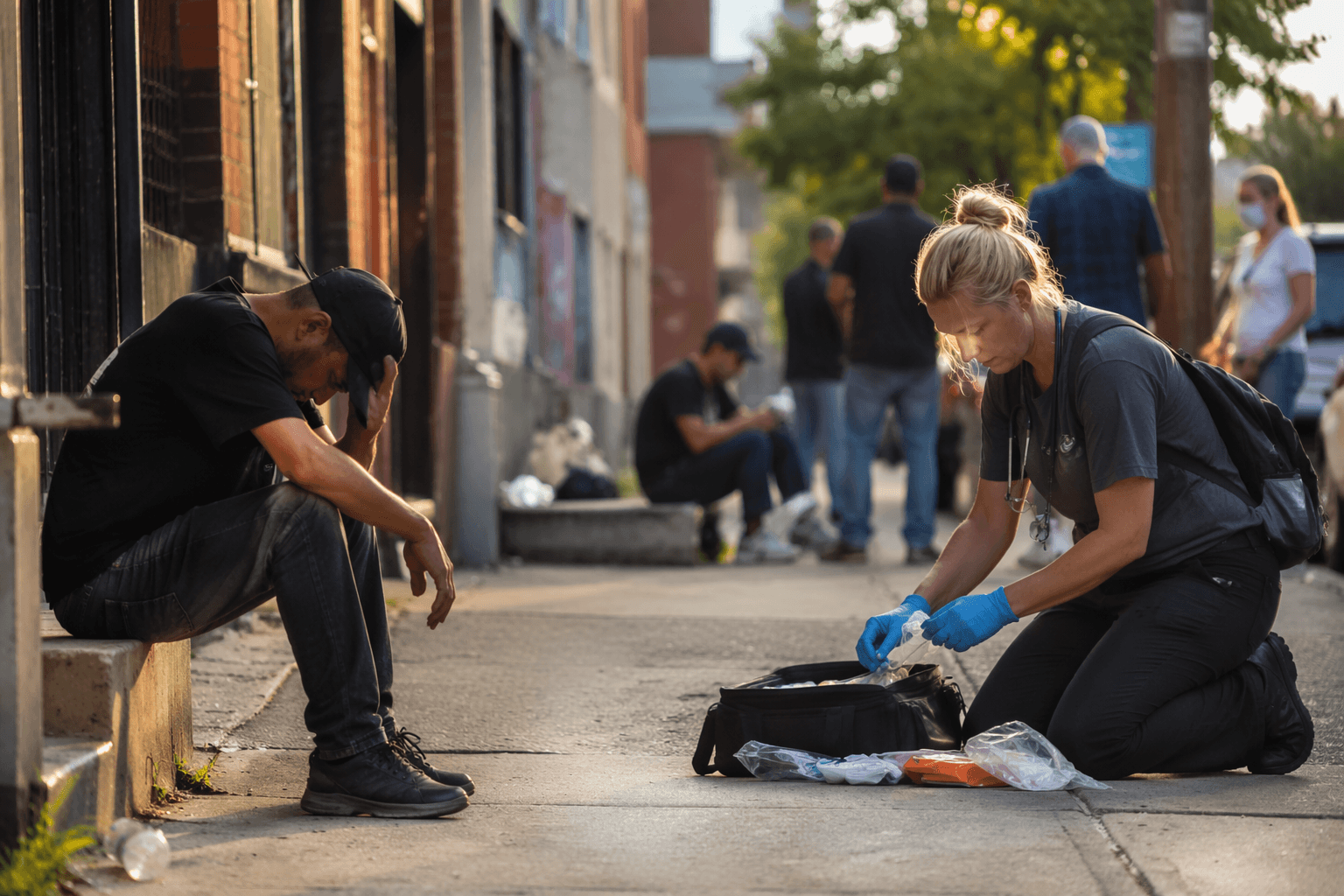
That means bystanders need to watch for more than the usual signs of fentanyl overdose. A person exposed to medetomidine may be deeply sedated, unresponsive, breathing too slowly or showing a very slow pulse, and the sedation can last longer than the opioid effect even after naloxone is given. The Centers for Disease Control and Prevention says medetomidine is often mixed with illegally made fentanyl and can trigger severe withdrawal after naloxone, with some cases requiring emergency or intensive care. Maryland guidance says to keep naloxone on hand, use rescue breaths, place people in the recovery position, use test strips before using, and avoid using alone.
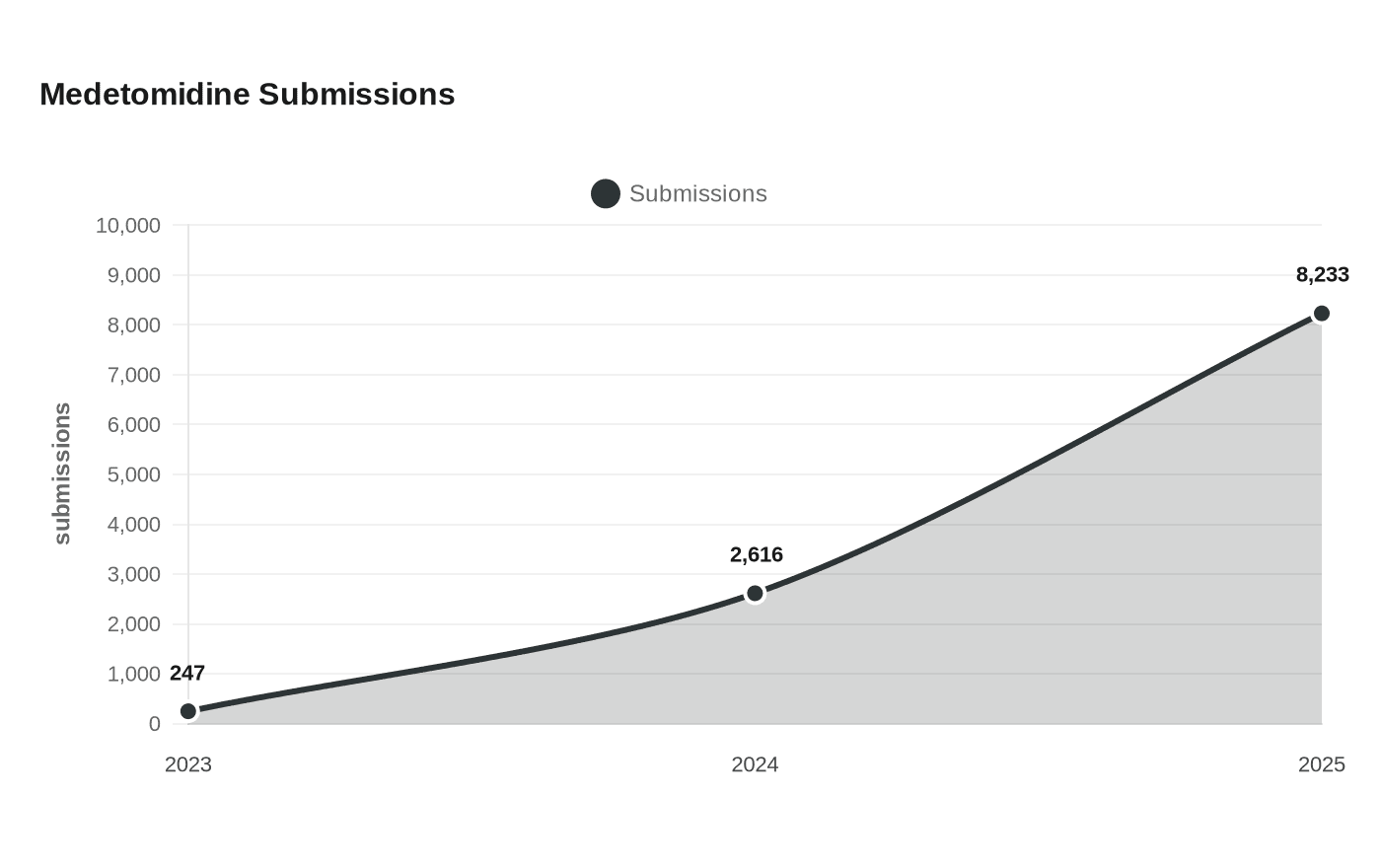
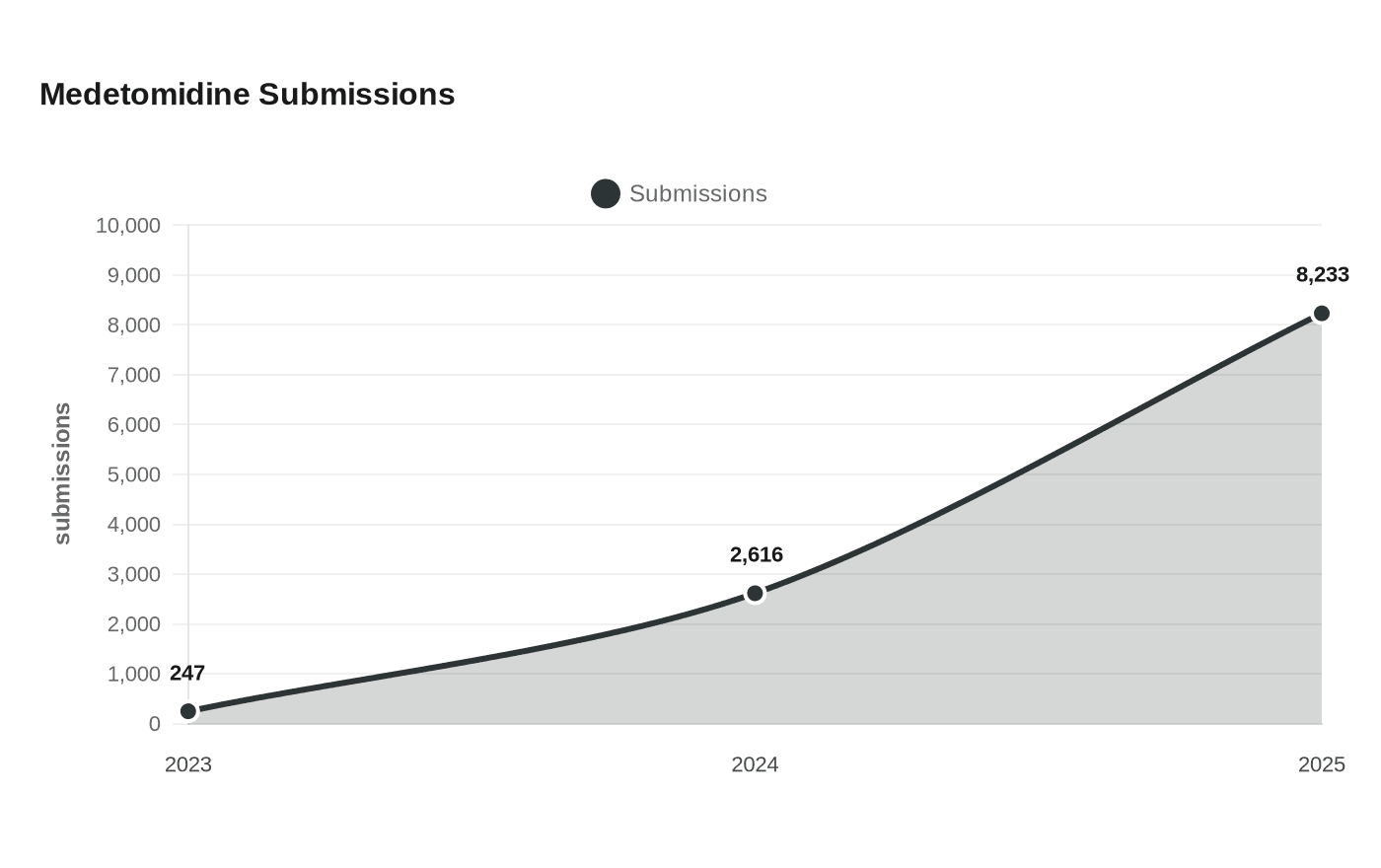
The state’s drug-checking data show why Baltimore is sounding the alarm now. Medetomidine was first identified through Maryland’s Rapid Analysis of Drugs program in October 2022, then showed up mainly in Cecil County from June 2024 through October 2025 before spreading more broadly. The latest state advisory says Baltimore City, Harford, St. Mary’s and Wicomico counties all showed increased presence in the fourth quarter, while CDC reporting shows medetomidine submissions rising from 247 in 2023 to 2,616 in 2024 and 8,233 in 2025, with the Northeast seeing the highest concentration.
Baltimore’s response network already has some of the infrastructure needed for the next overdose wave. The city’s spike alert system dates to fall 2016, and its naloxone leave-behind program is run with the Baltimore City Fire Department and the Maryland Department of Health. Residents can get free naloxone, fentanyl test strips and xylazine test strips through the city’s substance-use resources, request virtual naloxone training, and find support through Baltimore City Health Department services, Maryland syringe service programs and Maryland’s Overdose Response Programs, which also list medetomidine test strips among available supplies.
This article was produced by Prism’s automated news system from verified source data, official records, and press releases, then run through automated quality and moderation checks before publishing. The system is built and supervised by the people who set the standards it runs under. Read our full AI policy.
Know something we missed? Have a correction or additional information?
Submit a Tip