Baltimore Liquor License Board halts most evening inspections, prompting backlash
Baltimore's Liquor License Board changed internal guidance in mid-February, effectively ending most evening inspections and drawing immediate pushback from state lawmakers, neighborhood leaders and hospitality stakeholders.
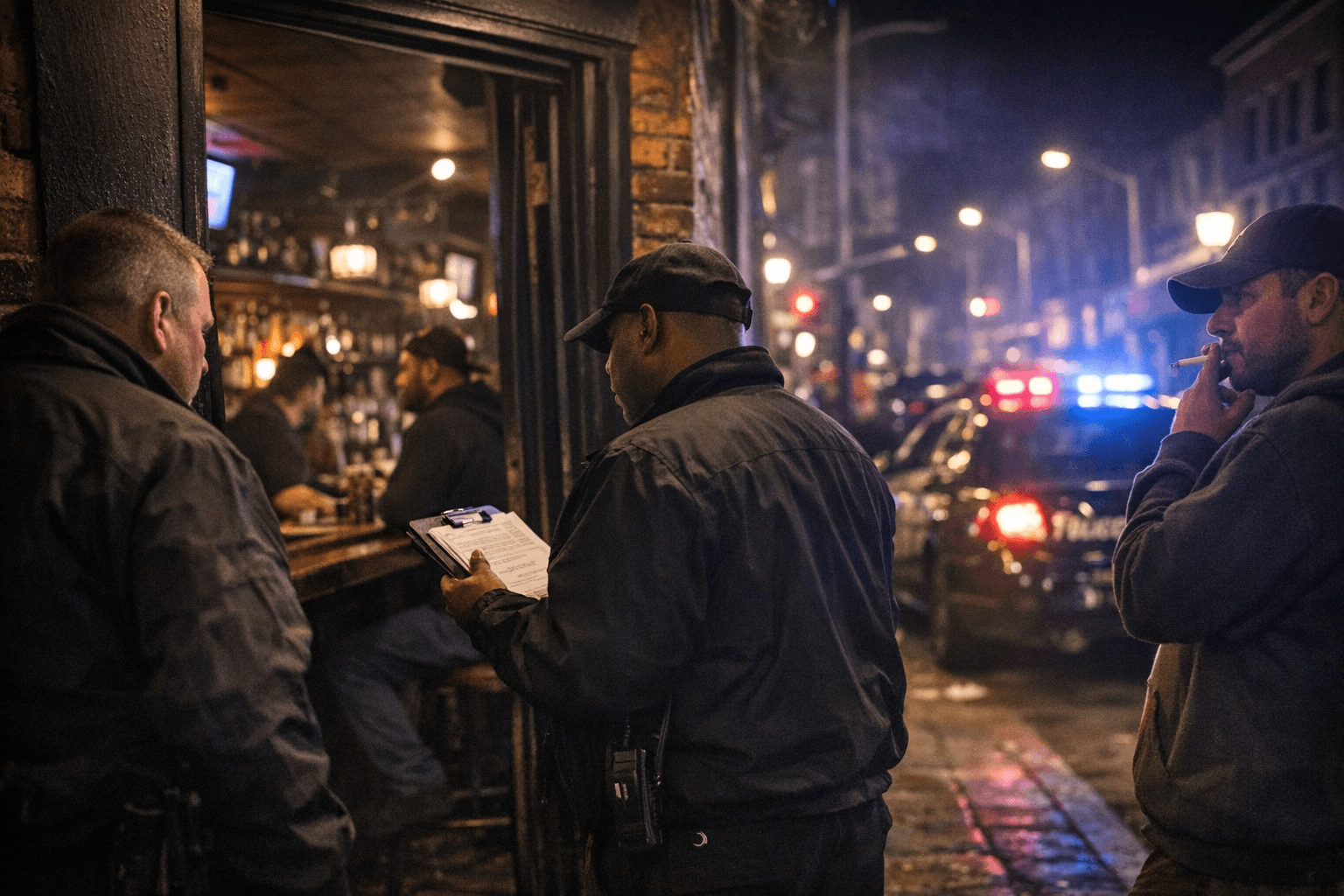
The Baltimore City Liquor License Board's mid-February change to internal inspection guidance effectively halted most evening inspections, a move that drew immediate criticism from state lawmakers, neighborhood leaders and hospitality stakeholders. The policy shift, implemented around February 20, 2026, removed routine checks that had taken place during the hours when bars and restaurants are busiest.
Board officials described the action as an internal guidance change, but the practical outcome was clear: most evening inspections ceased. That pullback prompted state lawmakers to register objections and neighborhood leaders to raise concerns about enforcement gaps in nightlife corridors across Baltimore City. Hospitality stakeholders also pushed back, saying the decision undercuts expectations about how compliance is monitored during peak operating hours.
The timing and tone of the response underscore the political stakes. State lawmakers intervened quickly after the February 20 change, citing the need for consistent regulatory oversight of licensed establishments. Neighborhood leaders who have led noise and public-safety efforts in areas with concentrated nightlife signaled that they expected the Liquor License Board to maintain evening enforcement the same way neighborhood patrols and city services do.
For businesses and residents the implications are immediate. Hospitality operators and their employees depend on predictable inspections to maintain licenses and resolve compliance questions. Residents in entertainment districts rely on evening enforcement as part of broader community safety strategies. With the Liquor License Board's internal guidance curtailing most evening inspections, both groups now face uncertainty about how and when the city will enforce liquor laws after dark.
Institutionally, the change raises questions about local oversight and the balance between administrative discretion and public accountability. The Liquor License Board, which regulates licenses across Baltimore City, now must answer to elected officials and civic leaders who say the mid-February policy shift has materially altered enforcement practice. Those officials and leaders have already signaled they will press for clarity on the scope and duration of the guidance change.
As of February 26, 2026, the dispute over the Liquor License Board's February 20 guidance remains a live governance issue for Baltimore City. The coming days will determine whether the board restores evening inspections or whether state lawmakers and neighborhood leaders escalate oversight efforts to ensure consistent enforcement during the hours when many residents and hospitality workers say it matters most.
This article was produced by Prism’s automated news system from verified source data, official records, and press releases, then run through automated quality and moderation checks before publishing. The system is built and supervised by the people who set the standards it runs under. Read our full AI policy.
Did this article answer your question?