Baltimore owns vast underground conduit network powering most city homes
Baltimore’s 700-mile conduit network powers most homes, but the bigger fight is over who controls it, who pays for access, and whether the city protects a public asset that shapes costs and reliability.
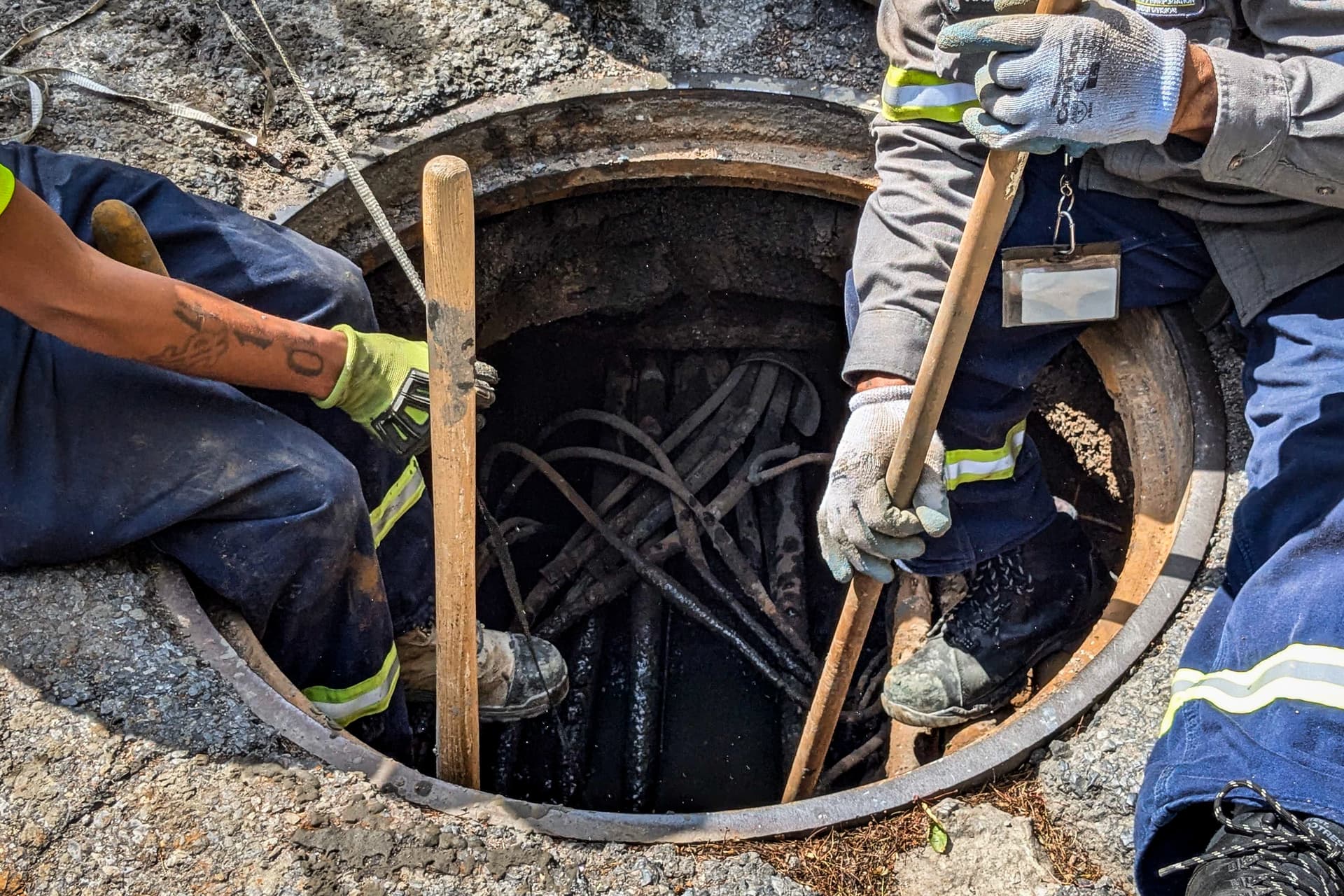
Baltimore has one of the most unusual public assets in the United States: a 700-mile underground conduit network that carries critical electric and fiber-optic cables and helps power a majority of the city. The system is not just buried steel and concrete. It is the hidden framework that affects whether lights stay on, cables reach homes, streets get dug up, and the city can keep leverage over the utilities and telecom firms that depend on it.
A public asset with private users

The central question around Baltimore’s conduit network is not whether it exists. It is who controls access to it, who benefits from using it, and whether the city is getting enough in return. Baltimore’s government says it owns the entire system, and the city says that ownership gives it the ability to shape maintenance, set terms for access, and protect a utility corridor that serves homes, businesses, and communications providers.
BGE is the dominant user, occupying about 76% of the underground network. Comcast, Crown Castle, and other users fill the rest, collectively paying about $9 million in annual fees. That means the city’s underground corridor is not just supporting one utility. It is a shared commercial pathway that helps major companies deliver services across Baltimore while relying on public infrastructure that the city must maintain.
For residents, the stakes are practical. Whoever controls the conduit controls much of the city’s bargaining power over repairs, upgrades, and future expansion. If that control weakens, the city can lose influence over street work, broadband buildout, and the costs that eventually show up in household bills or municipal budgets.
How the 2023 agreement worked
Baltimore and Baltimore Gas and Electric struck a new agreement in 2023 that city leaders described as historic because it preserved city ownership while rewriting the terms of BGE’s use of the conduit. The Baltimore Board of Estimates approved the deal on February 15, 2023, and the city said it retained 100% ownership over every inch of the system.
The structure of the agreement matters as much as the headline. Under the accounting summary, the deal runs from February 15, 2023, through December 31, 2026, with an option to renew for three additional years. It requires BGE to keep paying an occupancy fee and to fund capital improvements to the conduit system, turning access into a continuing financial obligation rather than a one-time arrangement.
The numbers are substantial. The accounting summary says BGE owes the city $14 million in 2023 and $1.5 million in each of 2024, 2025, and 2026. BGE has also said it would invest more than $138 million in improvements to Baltimore’s conduit system through 2026. That combination of payments and capital work made the deal look, at least on paper, like a way to preserve public ownership while forcing the dominant user to help pay for the system’s upkeep.
Why the city saw the deal as a turning point
The Scott administration presented the arrangement as a way to keep the conduit city-owned while unlocking new investment. That was a key political argument: Baltimore could protect an old civic asset and still pull in money for repairs and upgrades without surrendering title to the system. In a city that has long struggled with infrastructure strain, that sounded like a compromise between public control and private capital.
But the arrangement also showed how dependent Baltimore had become on the conduit’s long-running fee structure. Earlier reporting described the system as more than 120 years old, with an established pattern of revenue from BGE and other users. A 2023 staff report said Baltimore historically received about $28 million a year from BGE’s franchise fees to maintain the infrastructure, and warned that the conduit division could face a 60% budget cut if those fees ended.
That warning helps explain why the conduit is not a niche administrative issue. If the city loses revenue or control, the effects could spill into street improvement projects, maintenance scheduling, and the federal matching funds that sometimes depend on coordinated local infrastructure work. A budget problem in the conduit division could become a much larger problem for transportation planning and neighborhood disruption.
The coming fight over renewal
The next fight is already taking shape because Baltimore has opted not to renew the agreement under the current terms, and reports in June 2026 say the existing deal expires on December 31, 2026. That puts the city in a high-stakes negotiation over what replaces it, how much future work will cost, and whether Baltimore keeps the same leverage over BGE and other users.
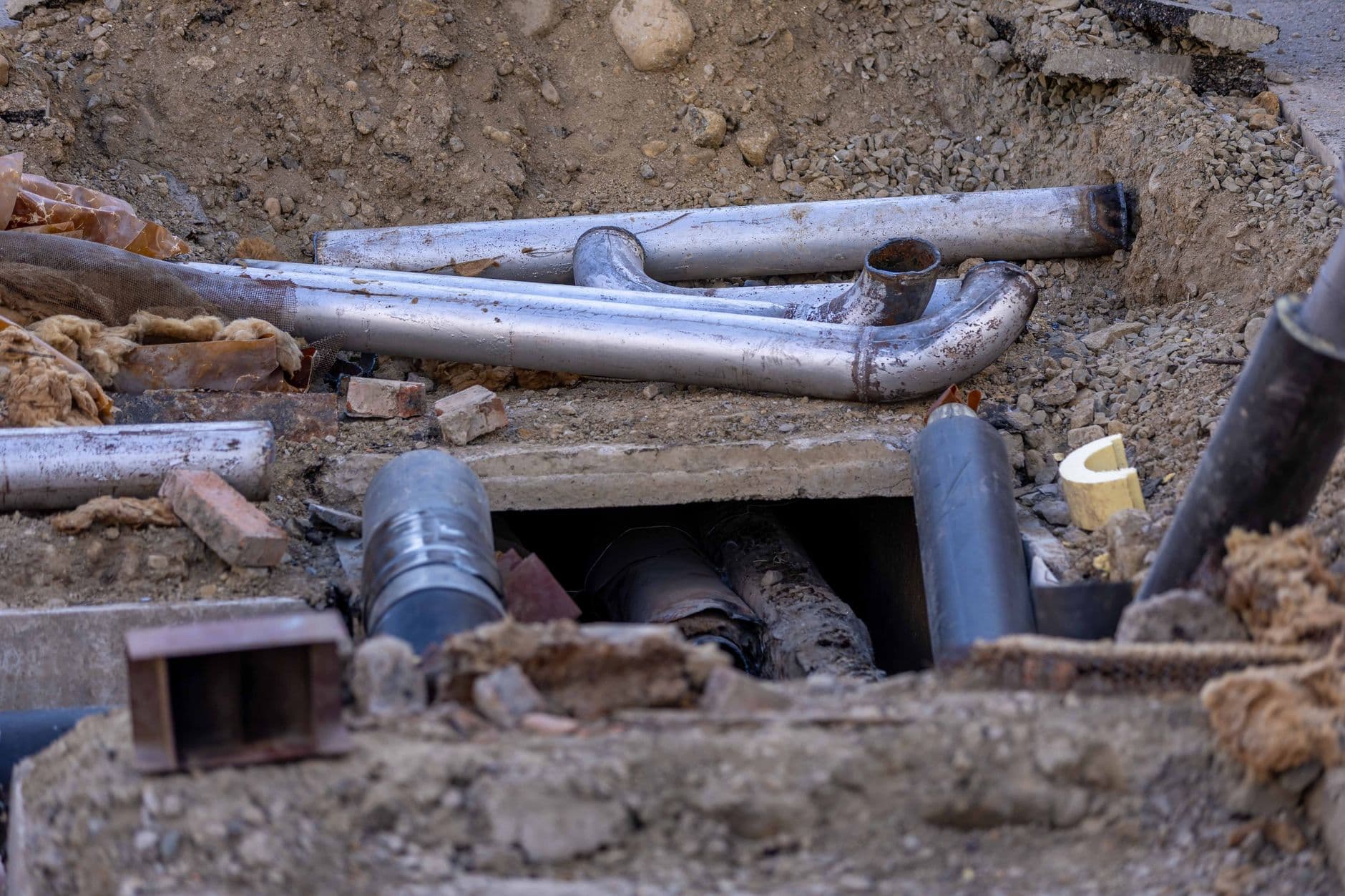
Officials are now weighing who will be responsible for future infrastructure work that could cost hundreds of millions of dollars. That figure matters because the conduit is not optional plumbing. It is part of the city’s electric and communications backbone, and the wrong financing structure could leave residents exposed to slower repairs, more disruptive street digging, or higher long-term utility costs.
The city’s decision not to renew under the current terms also changes the power balance. If Baltimore walks away from the old structure, the city has to prove it can still protect reliability and preserve investment. If it gives up too much, it risks turning a public asset into a revenue problem. If it demands too much, it risks a fight with the utility that controls a major share of the city’s electrical infrastructure.
Why residents should care about what is underground
Baltimore’s conduit system affects more than lawyers and utility executives. It shapes whether broadband can expand efficiently, whether crews can complete repairs without repeated street cuts, and whether the city can keep a grip on the infrastructure that carries power and data into homes. Those are household issues, not abstract governance questions.
The city’s unusual ownership structure gives Baltimore a tool that many places do not have. It can use that tool to keep the system reliable, protect public finances, and push private users to invest in the network they depend on. But the current dispute shows how fragile that balance can be when a century-old arrangement meets modern demands for electricity, fiber, and data service.
The underground network is a test of whether Baltimore can treat a hidden public asset as a long-term civic advantage. The answer will help determine who pays, who upgrades, and how much control the city keeps over the infrastructure beneath its own streets.
This article was produced by Prism’s automated news system from verified source data, official records, and press releases, then run through automated quality and moderation checks before publishing. The system is built and supervised by the people who set the standards it runs under. Read our full AI policy.
Did this article answer your question?