Baltimore Port grain facility aims to cut costs, boost exports
A new Port of Baltimore grain facility was unveiled to cut costs, move grain faster and trim truck miles for Maryland farmers.
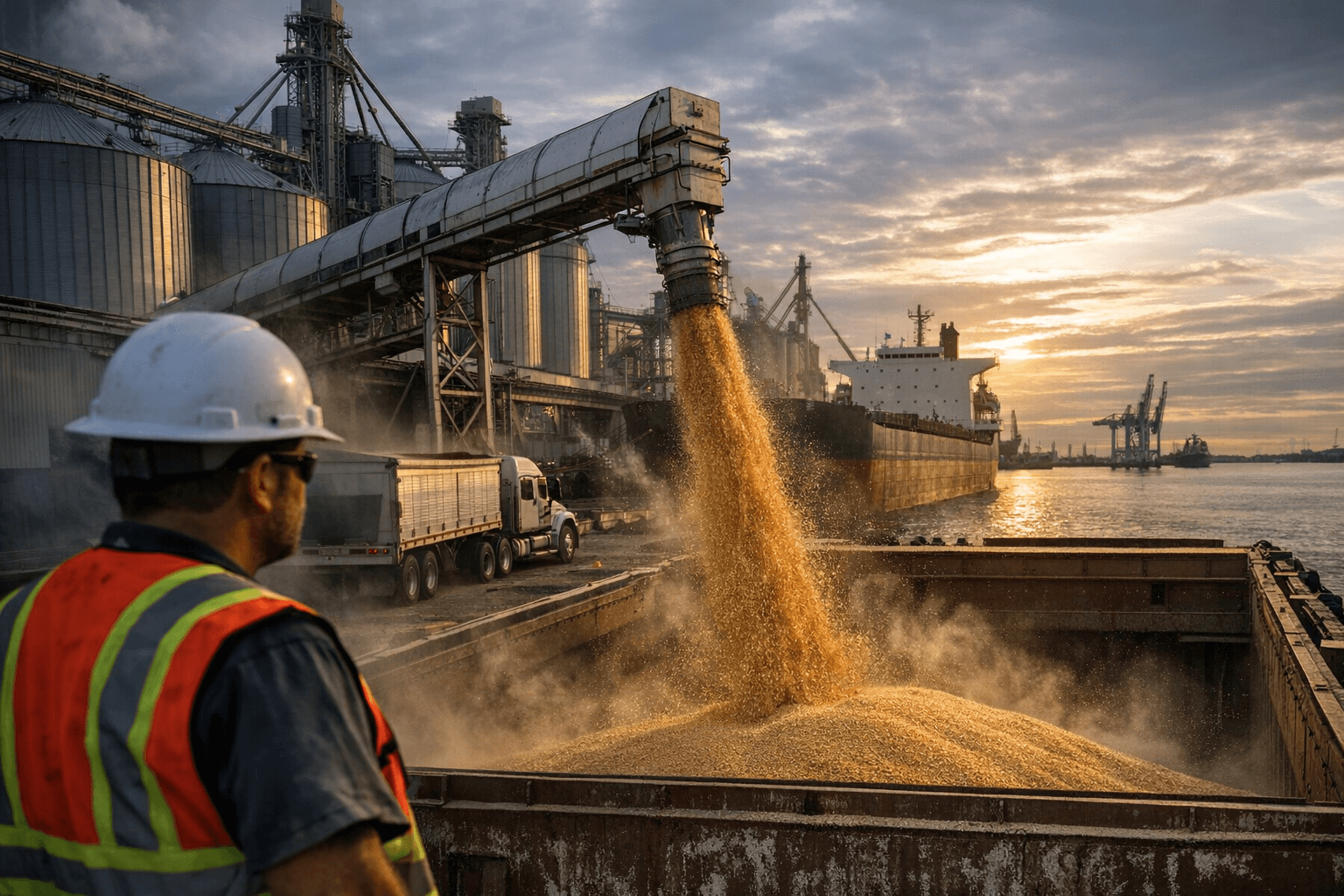
Three silos at the Port of Baltimore were set to give Maryland grain a faster route to export markets, with a new transloading system designed to lower shipping costs and keep more farm business moving through Baltimore. The project brought together Ports America Chesapeake and Frey Commodities, two companies betting that the port can become a stronger gateway for soybeans, corn and other grain products.
The setup was built around a simple change in how cargo moves. Trucks will unload grain directly onto a conveyor system and into the silos, where it can then be packed into containers for export. That shift matters because it reduces the number of handoffs between farm, truck, warehouse and ship, a process that can add expense and delay for growers trying to get products to market.
Maryland Agriculture Secretary Kevin Atticks said the arrangement should make it easier for farmers to sell their crops without having to manage every step themselves. The project is also expected to cut truck miles, which could ease pressure on roads around the port and make the supply chain more efficient. For producers, that means more certainty about where grain will go and how it will get there.
Port leaders framed the investment as both an agriculture play and a competitiveness play. The port has been looking to build on a record cargo year on the container side, and the grain facility adds another lane of business that could help Maryland stay in the mix for global trade. For local businesses tied to farming, transportation and logistics, the project offers a new way to move product through Baltimore instead of routing it elsewhere.
Frey Commodities chief commercial officer Mike Adamchak linked the decision to the Key Bridge collapse, saying the company had cargo on the vessel involved in the disaster and that the experience reinforced the value of investing in Baltimore. That connection gave the project added weight in a city where the port remains central to jobs, agriculture and the wider supply chain.
The facility is expected to be running in August, giving Maryland farmers and exporters a new tool in a region where every trucking mile and every shipping dollar can shape whether a crop stays competitive.
This article was produced by Prism’s automated news system from verified source data, official records, and press releases, then run through automated quality and moderation checks before publishing. The system is built and supervised by the people who set the standards it runs under. Read our full AI policy.
Did this article answer your question?