Baltimore security officers strike over alleged retaliation for organizing
Security posts at Harbor East, police stations and a water plant were hit as Baltimore guards walked out over alleged retaliation for organizing.

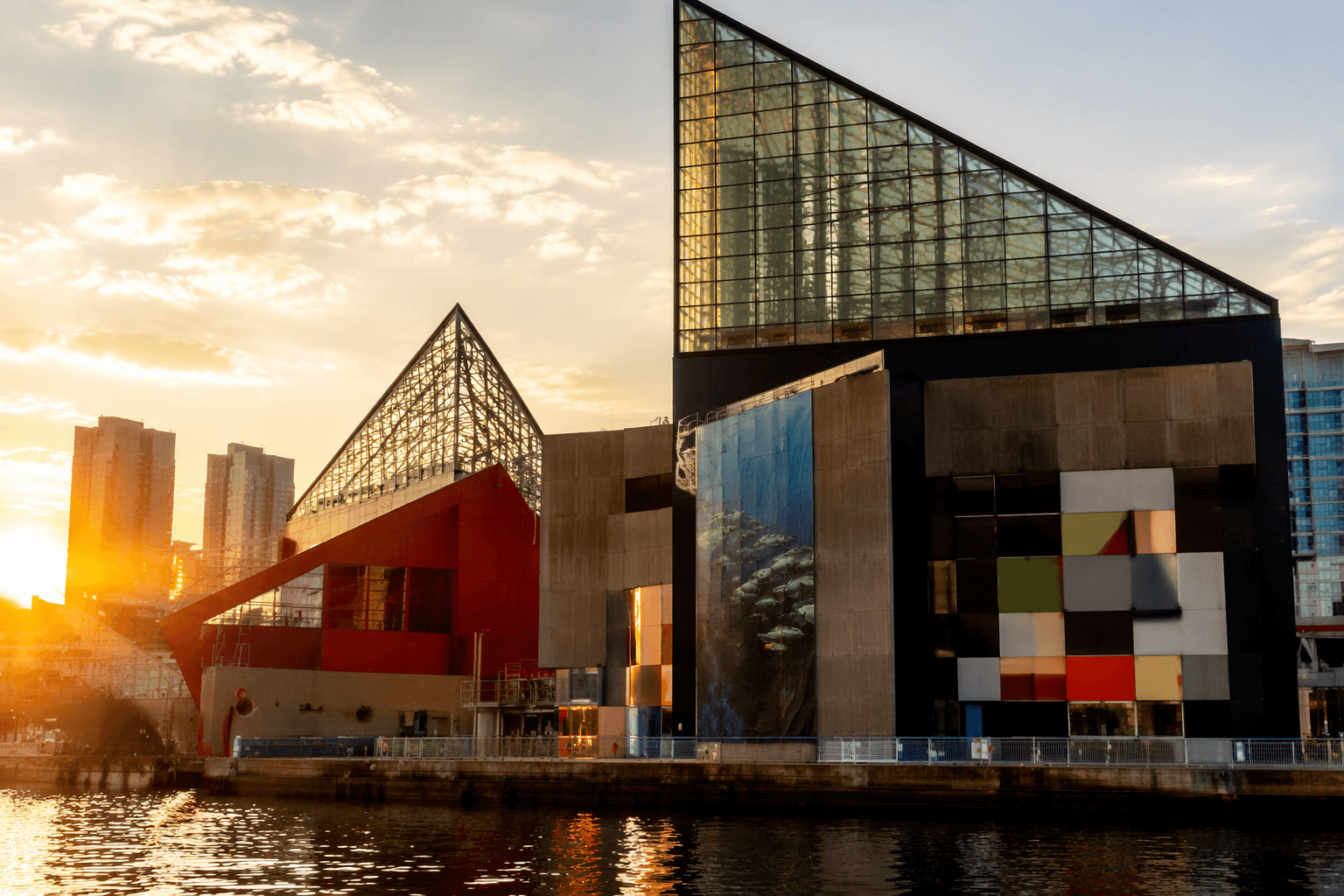
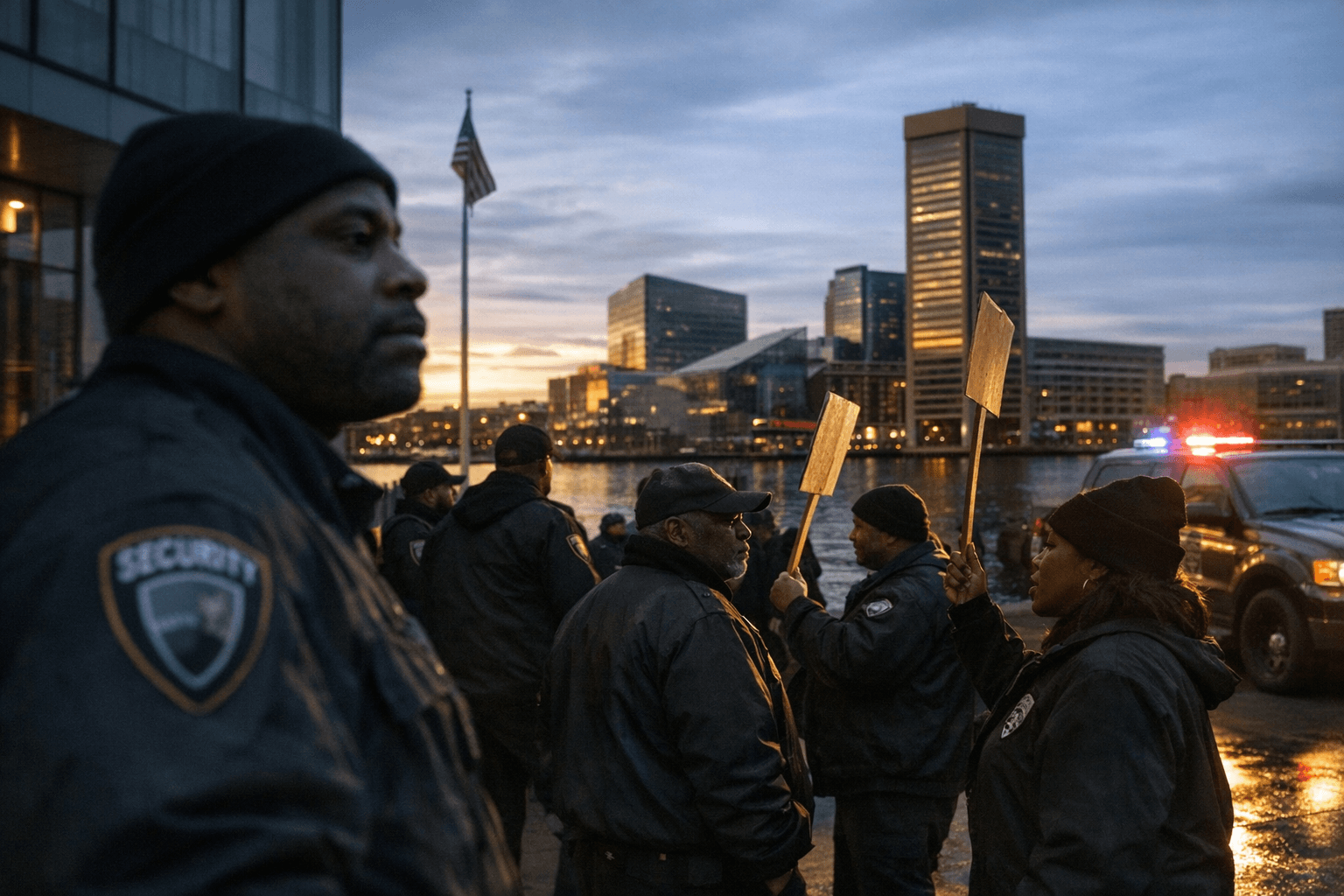
Security posts at Harbor East, police stations and a water treatment facility went short-staffed when Baltimore security officers walked off the job over allegations that some workers were fired for trying to organize. The strike put an immediate public-safety question in front of residents, tenants and city workers: who is watching the buildings and lots that normally depend on contracted guards?
The walkout was organized by SEIU Local 32BJ and centered on a rally planned for 11:30 a.m. in front of Baltimore City Hall. City Councilmembers Odette Ramos, Jermaine Jones and Mark Parker were expected to attend, underscoring how quickly the dispute moved from a workplace conflict to a public issue with City Hall attention.
Union leaders said the action followed complaints that workers had been disciplined or fired for union activity. SEIU said charges were filed in 2025 and 2026 alleging discrimination, coercion and retaliatory firings. One worker named by reporters, Darian Wheeler, was described as a single mother of four who was allegedly fired after nine years of service.
Abacus Corporation, which employs about 200 people to perform unarmed security duties at city-owned buildings and worksites, rejected the union’s claims and defended its pay and benefits. The company said full-time officers assigned to the city are paid $25 an hour and receive health, dental, vision, disability and life insurance. Abacus also said it has served Baltimore for more than 80 years and that nearly all of its security team members are Baltimore City residents.
The stakes are larger than one employer. Abacus has received more than $20 million in taxpayer funds since 2017, mostly through emergency contract extensions without competitive bidding, according to Baltimore Brew. That history has sharpened scrutiny of how Baltimore handles security at water treatment plants, public housing projects and other city sites where officers are a visible part of daily operations.
The strike was described in coverage as a one-day action and also as a de-facto walkout, but its effects were citywide. Posts tied to Harbor East, police stations, a water treatment facility and public housing developments were among those affected, making the dispute visible far beyond labor circles. For Baltimore, the fight now tests whether contracted security workers can organize without retaliation and whether the city’s safety net at essential sites can hold while the dispute plays out.
This article was produced by Prism’s automated news system from verified source data, official records, and press releases, then run through automated quality and moderation checks before publishing. The system is built and supervised by the people who set the standards it runs under. Read our full AI policy.
Did this article answer your question?