Baltimore prosecutor lays out 2026 priorities on warrants and guns
Ivan Bates released his office's 2026 legislative priorities focused on warrant procedures, unsafe firearm storage and juvenile justice changes that could affect Baltimore.
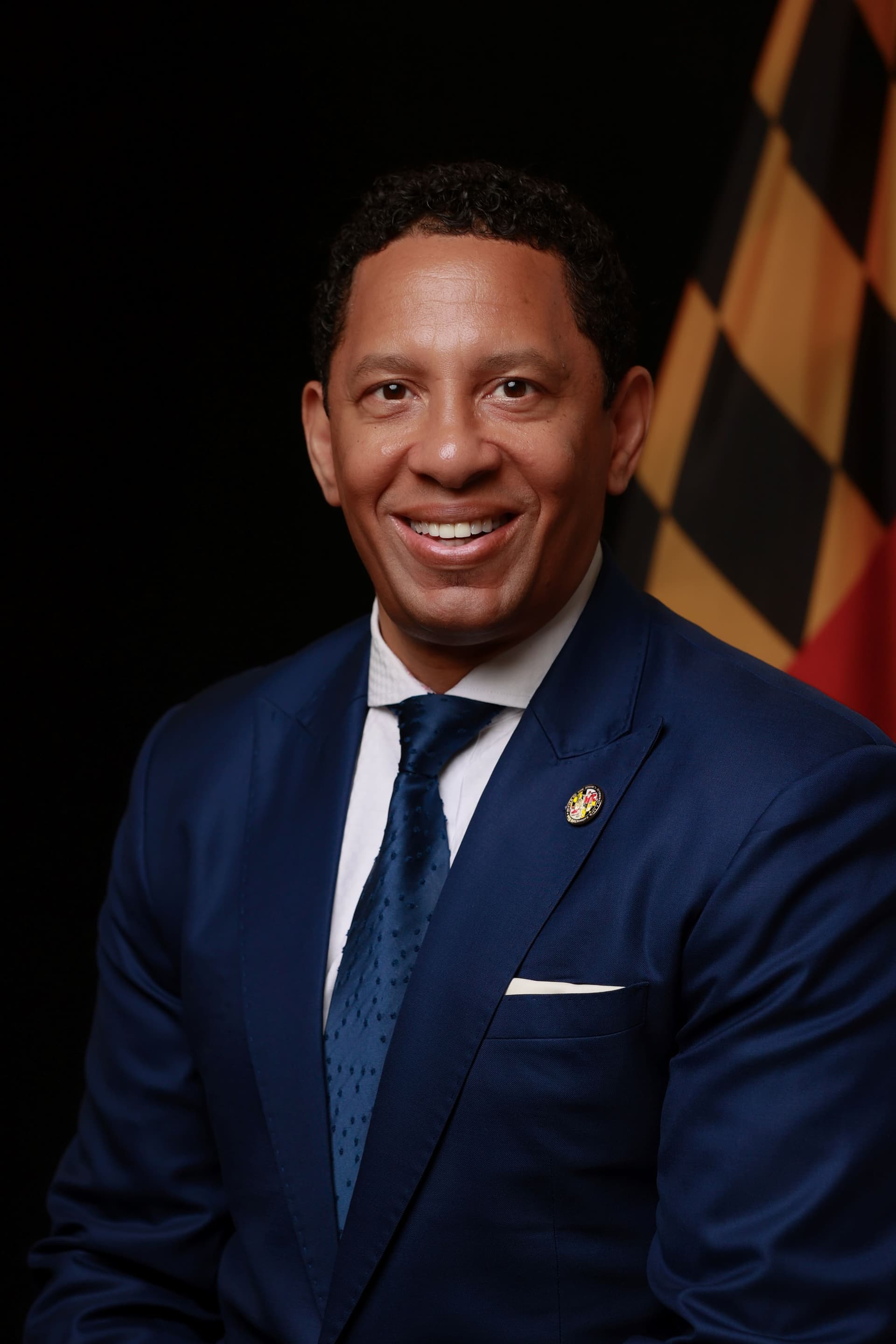
Baltimore City State's Attorney Ivan J. Bates, speaking as president of the Maryland State’s Attorneys’ Association, released his office’s legislative priorities for 2026 on January 14, outlining measures tied to how arrest warrants are issued, penalties for unsafe firearm storage, and positions on proposed juvenile justice reforms. Bates framed the agenda around fairness, public safety, and preventing procedural abuses that can produce baseless warrants, and signaled coordinated work with other state prosecutors and stakeholders during the General Assembly session.
Central among the priorities is the Court Commissioners | False Statements bill, which would limit the circumstances under which court commissioners can issue arrest warrants based solely on the statements contained in complaints. Prosecutors and advocates say the change aims to reduce reliance on unverified statements in charging documents that may lead to unnecessary or erroneous arrests. For Baltimore residents, the proposal could affect how quickly warrants are issued and place greater emphasis on corroboration before liberty is restricted.

Another priority, named the Ny’Kayla Strawder Act, targets unsafe firearm storage by increasing penalties when minors obtain unsecured guns. The measure responds to incidents in which unsecured firearms in homes led to juvenile access and harm. In a city where firearm safety and youth violence are persistent concerns, tougher storage penalties could influence household practices, law enforcement charges, and prosecutorial decisions in cases involving youth.
Bates’ office also outlined opposition to several juvenile justice bills that would alter charging standards and access to juvenile records. Those positions reflect a broader prosecutorial calculus about balancing accountability, rehabilitation, and public safety. Changes to charging rules or record access could reshape how young people are processed through Baltimore’s criminal legal system, affecting future employment, education, and community reintegration.
Taken together, the priorities show a dual focus: protecting due process safeguards against procedural shortcuts and holding adults accountable for firearm safety that affects children. Bates’ dual role as Baltimore’s chief prosecutor and president of the statewide association gives his office a convening role in the legislative session, meaning Baltimore’s perspectives are likely to be synchronized with prosecutors across Maryland.
For Baltimore residents, the coming weeks will clarify how these proposals translate into law and practice. The General Assembly will debate the bills Bates has highlighted, and hearings will offer opportunities for community input and scrutiny. Changes to warrant procedure, firearm storage penalties, or juvenile justice rules could alter police and courtroom practices here, shaping everyday experiences of safety, accountability, and legal fairness in the city.
This article was produced by Prism’s automated news system from verified source data, official records, and press releases, then run through automated quality and moderation checks before publishing. The system is built and supervised by the people who set the standards it runs under. Read our full AI policy.
Did this article answer your question?