Baltimore prosecutors drop case against aunt accused of harboring nephew
Prosecutors said Denise Day’s case was not a public-safety threat, closing a Baltimore child-harboring case that began with Tristan King’s disappearance.
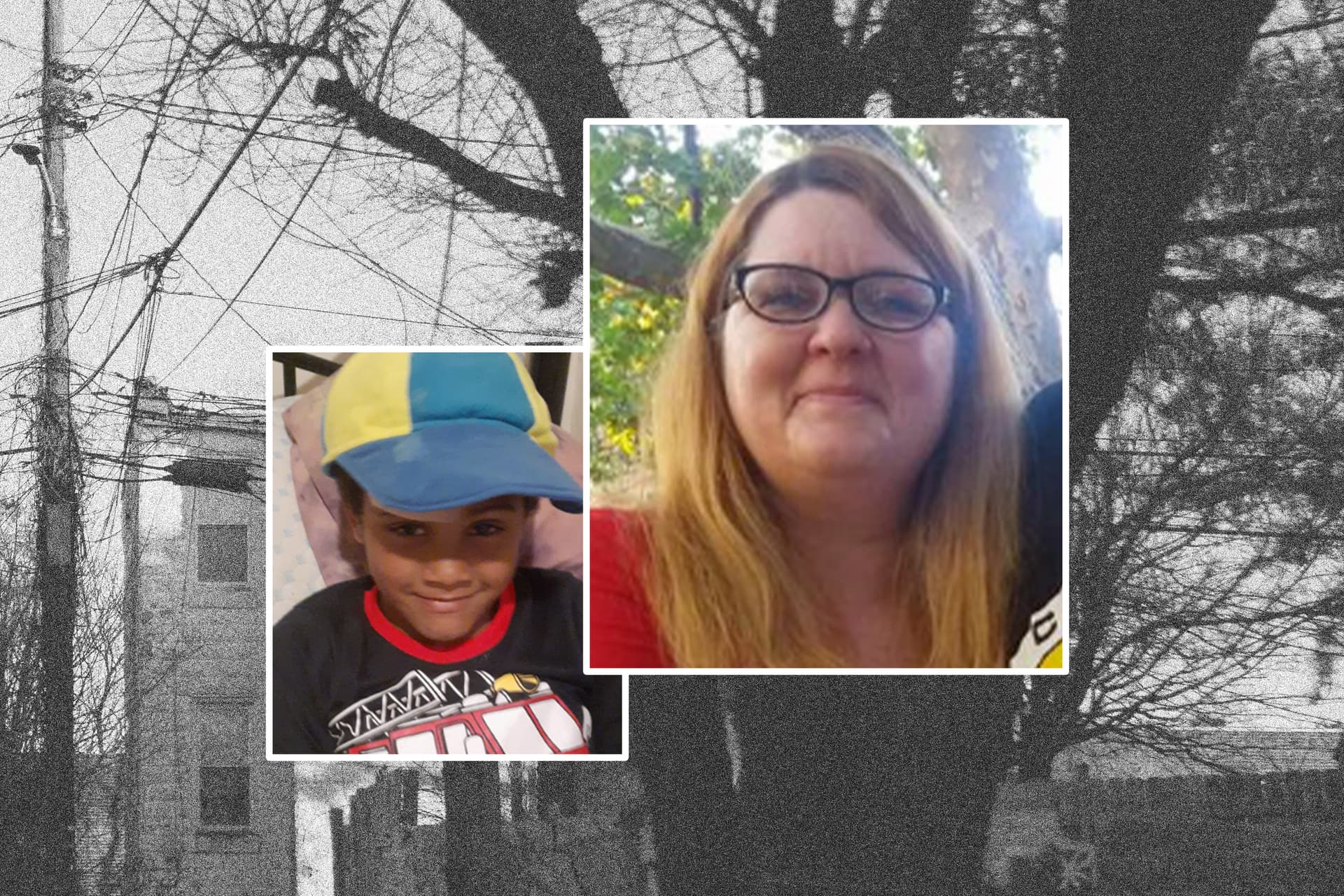
Baltimore prosecutors have dropped the remaining case against Denise Day, the 60-year-old aunt accused of helping 9-year-old Tristan King stay hidden for months, saying continued prosecution was not in the interest of public safety. The dismissal closes a high-profile Baltimore child-welfare case that moved from a missing-person search to criminal charges and, finally, to a decision by prosecutors that treatment and family intervention mattered more than punishment.
King was found safe on March 13, 2026, in a residence in Curtis Bay after a tip reached the Baltimore Police Department’s Missing Persons Unit and after what city officials described as an extensive investigation that pulled in local, state and federal resources. The mayor’s office said he had been missing since Sept. 24, 2025, and he was taken to a hospital for medical and psychological evaluations after he was located. One report said he was found less than two miles from where he was first reported missing in Brooklyn, underscoring how close the search remained to the neighborhood where his disappearance began.

Day was arrested March 25, 2026, in the 500 block of Chart Avenue, after police found King. In an interview with officers, she reportedly said she knew authorities had been looking for him “for a long time.” Prosecutors first charged her in March with abducting a child and abduction by a relative, then dropped the felony charge on April 23 before formally dismissing the remaining case in June.
In explaining the move, the Baltimore City State’s Attorney’s Office said the case reflected “a family in crisis rather than a continuing threat to the community,” and that Day needs “mental health treatment and intervention, not incarceration.” Baltimore City State’s Attorney Ivan Bates said the felony charges were not legally sustainable and that pursuing the case no longer served public safety.
The family background helps explain why the case drew so much scrutiny in Baltimore. Tristan’s grandmother and legal guardian, Donna White, suffered a stroke in May 2025 and entered nursing-home care, and his schooling was disrupted enough that Baltimore City Public Schools unenrolled him after more than 10 missed days. For a city that has spent years confronting child safety, guardianship failures and the strain on social services, the dismissal leaves one question larger than the criminal case itself: how to keep a child safe when a family is already under severe pressure.
This article was produced by Prism’s automated news system from verified source data, official records, and press releases, then run through automated quality and moderation checks before publishing. The system is built and supervised by the people who set the standards it runs under. Read our full AI policy.
Did this article answer your question?