Baltimore Records Rising Case Clearances; Homicide Solved Rate 65%
The Baltimore Police Department posted 2025 clearance rates that exceeded national averages, including a homicide clearance rate of about 65 percent. The gains, tied to investments in investigative capacity, prosecutor partnerships, data-driven deployments and staffing increases, could affect prosecutions, victim outcomes and public confidence in policing across the city.
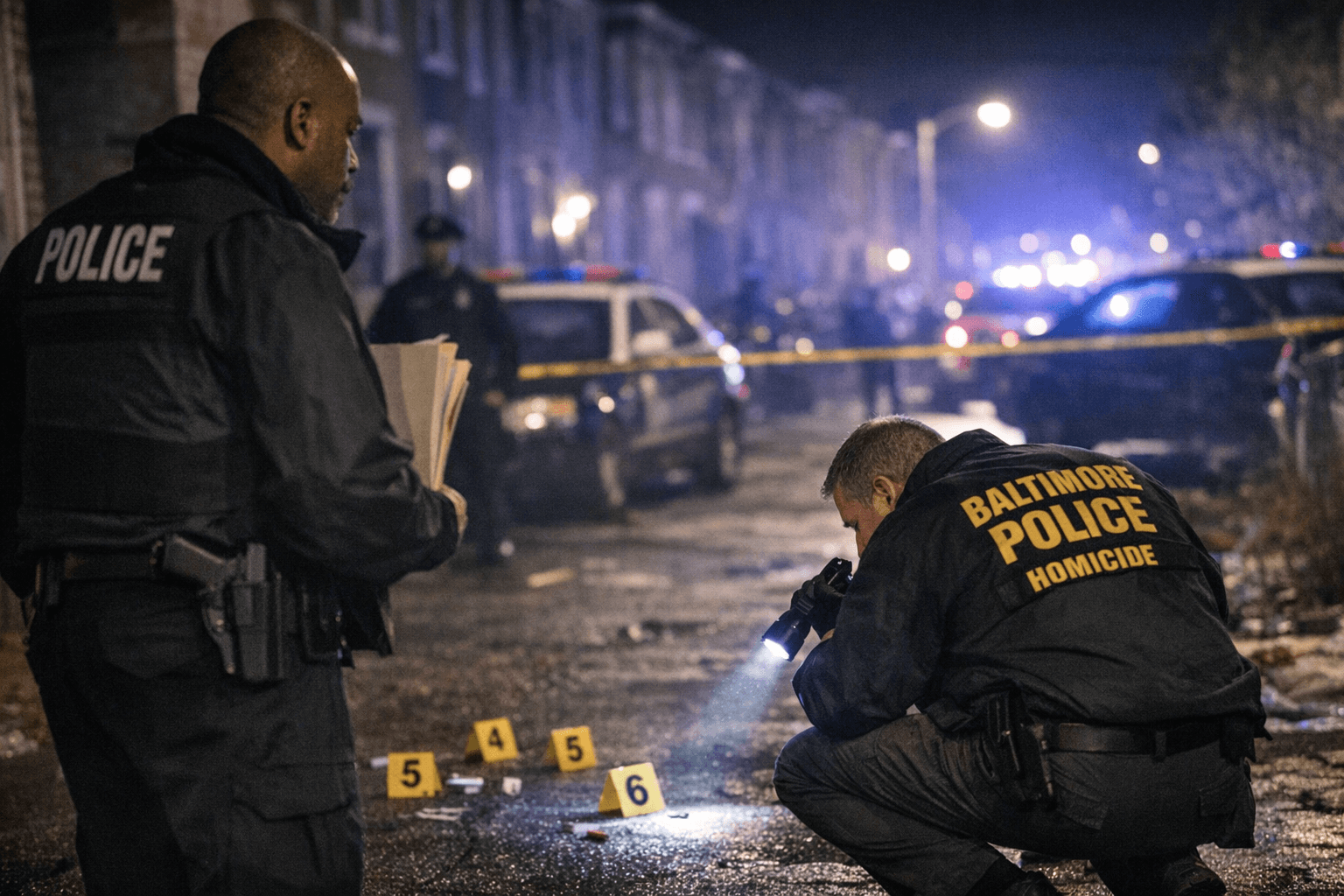
The Baltimore Police Department closed a larger share of cases in 2025 than many U.S. peers, city records show, with the department reporting a homicide clearance rate of roughly 65 percent. That figure sits above the national average for the period and is part of broader improvements across several violent- and property-crime categories.
City officials and investigators credited the gains to a number of operational shifts enacted over the past year. Improved investigative coordination and stronger collaboration with prosecutors were cited as central to turning arrests and evidence into viable cases. Police leaders also pointed to more data-driven deployments and modest staffing gains that increased capacity for follow-up work and investigations. Investments in investigative units and external partnerships were explicitly tied to the higher-than-average clearance rates.
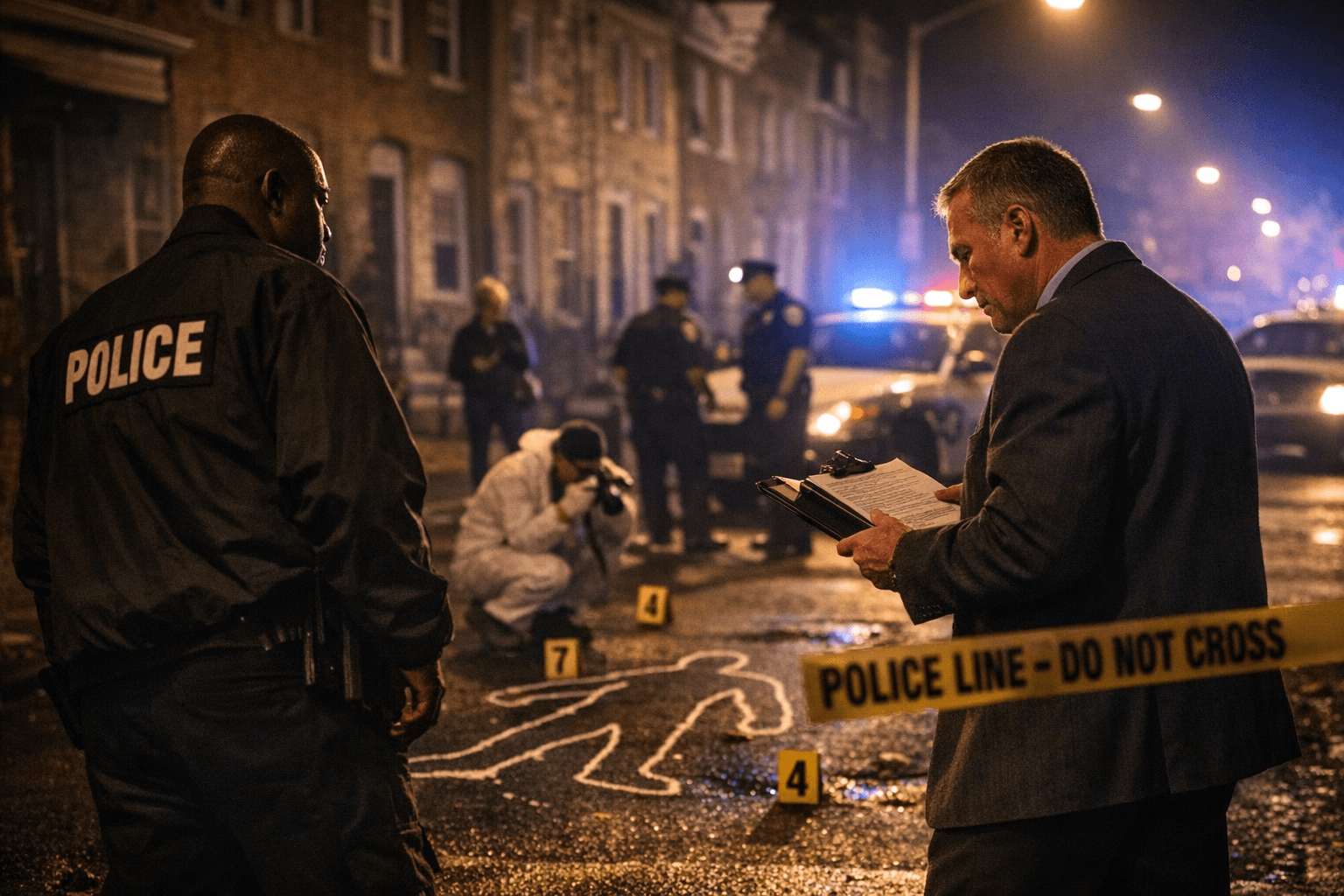
For Baltimore residents, higher clearance rates carry immediate practical consequences. Cases that are solved more often increase the likelihood of charges and convictions, which can bring a measure of closure to victims and families and reduce the long-term social costs of unsolved violent crime. Better follow-up on property crimes also matters for neighborhood quality of life, insurance risk assessment and small-business stability in commercial corridors across the city.
The uptick in solvability has political and legal implications as well. Prosecutors rely on timely, thoroughly developed cases; improved coordination between law enforcement and the State’s Attorney’s office can lead to more efficient court calendars and a higher proportion of cases reaching adjudication. That, in turn, can pressure local leaders to sustain investments in detective capacity and analytic tools rather than redirecting resources elsewhere.
While the clearance rate improvements are notable, they do not erase underlying challenges. Clearance percentages measure case resolution not total crime levels, so communities and policymakers must weigh both how often crimes are solved and how often they occur. Maintaining public trust will require continued transparency about investigative practices, safeguards against misconduct, and community engagement to ensure policing strategies align with neighborhood needs.
Baltimore’s 2025 results reflect wider trends in policing that emphasize data, interagency cooperation and targeted staffing. As city officials plan budgets and public safety strategies for the year ahead, the durability of these gains will depend on sustained investment, legal partnership, and community confidence.
This article was produced by Prism’s automated news system from verified source data, official records, and press releases, then run through automated quality and moderation checks before publishing. The system is built and supervised by the people who set the standards it runs under. Read our full AI policy.
Did this article answer your question?