Baltimore residents call for youth diversion and disability support to curb crime
Baltimore residents want the city’s crime drop paired with youth diversion and disability support as Scott touts historic reductions and a new violence plan takes shape.
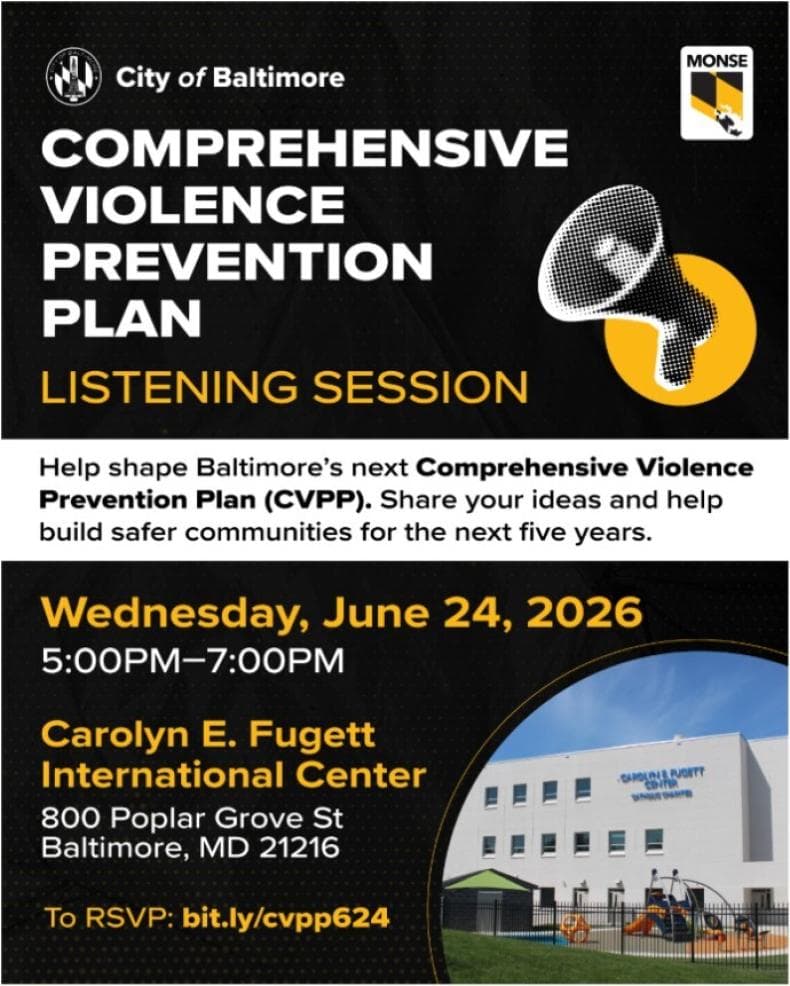
Baltimore residents are pressing city leaders to back the city’s crime drop with more youth diversion and disability support, saying the gains will not last unless prevention is built into the next phase of public safety planning. Mayor Brandon M. Scott said July 1 that Baltimore had continued historic crime reductions in 2026, and the city opened public engagement June 22 for its second Comprehensive Violence Prevention Plan.
The debate centers on what public safety looks like beyond arrests and patrols. Youth diversion in Baltimore typically means mentoring, counseling, restorative justice, job pathways, family support and other community-based alternatives meant to keep young people tied to school and work instead of the justice system. Disability support adds another layer, with residents pushing the city to account for people with physical, developmental and mental-health disabilities who can be vulnerable to violence, exploitation or being misunderstood by police and service providers.
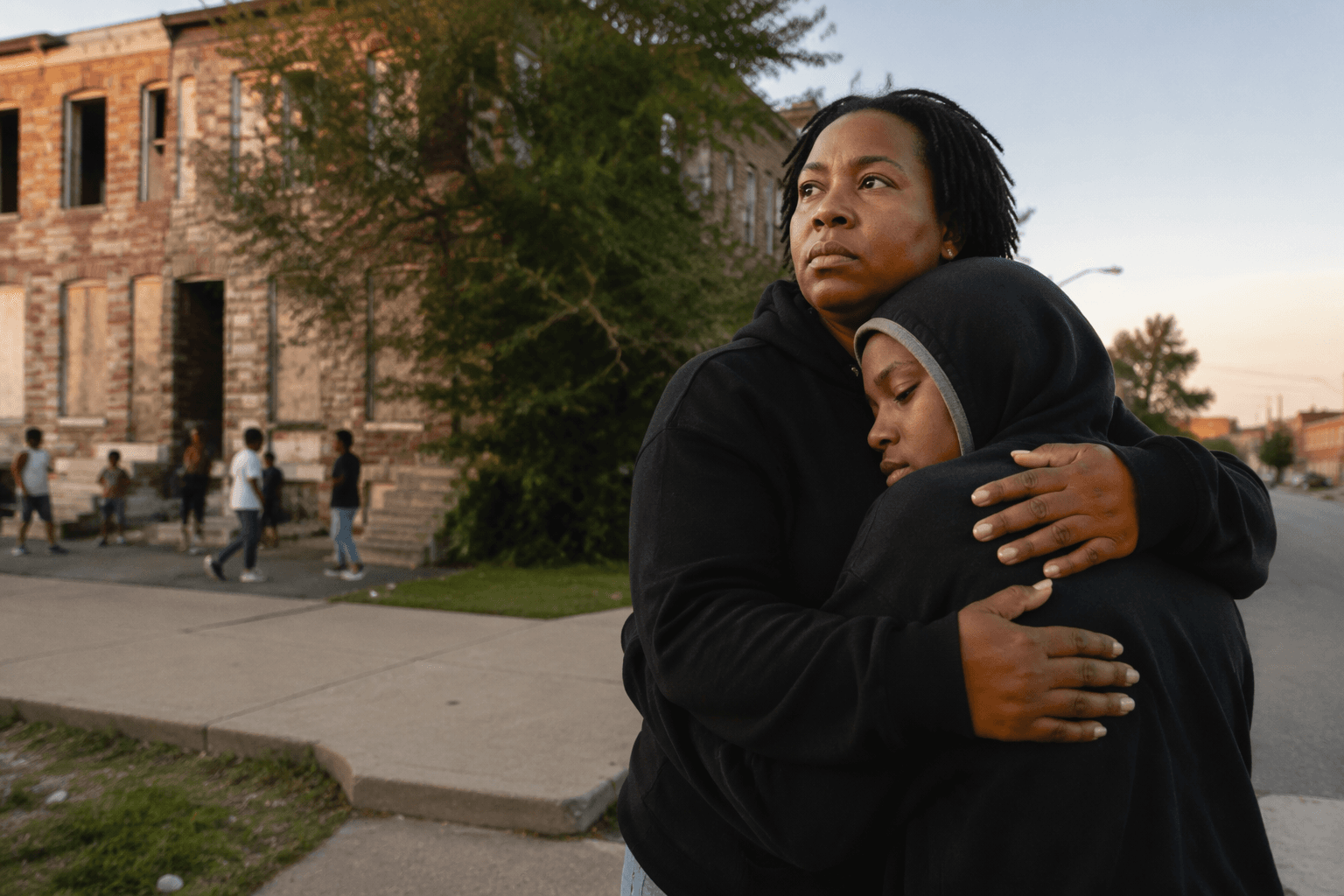
City officials have already begun widening the frame. On July 13, Baltimore moved to expand a community safety initiative amid calls to address youth crime, and on April 17 Scott and Group Violence Reduction Strategy partners announced an expansion to the Baltimore Police Department’s Northern District. Those steps came as residents argued that violence reduction cannot stop at enforcement and must include the services that keep young people connected to care, housing and education.
Statewide numbers give that argument some backing. Maryland’s public safety page says juvenile homicide victims fell by more than 39% in 2025 compared with 2024, while juvenile non-fatal shootings dropped 16% over the same period. At Johns Hopkins Center for Gun Violence Solutions, researchers found Baltimore’s Safe Streets program was associated with reductions in youth gun violence, though the effect varied by site. That variation has made scale and neighborhood fit central questions for officials trying to turn short-term progress into a durable strategy.
Baltimore County Police Department’s Youth Mentoring Team offers one nearby example of how agencies are framing prevention work, describing efforts to help young people and families build positive relationships and life skills. The Sentencing Project’s Baltimore youth-justice fact sheet adds to the pressure on city leaders to treat diversion and alternatives to incarceration as public-safety tools rather than acts of leniency.
Baltimore’s second Comprehensive Violence Prevention Plan now gives residents a place to demand that youth services, disability-informed support and community intervention be funded at the level needed to match the city’s crime decline.
This article was produced by Prism’s automated news system from verified source data, official records, and press releases, then run through automated quality and moderation checks before publishing. The system is built and supervised by the people who set the standards it runs under. Read our full AI policy.
Did this article answer your question?