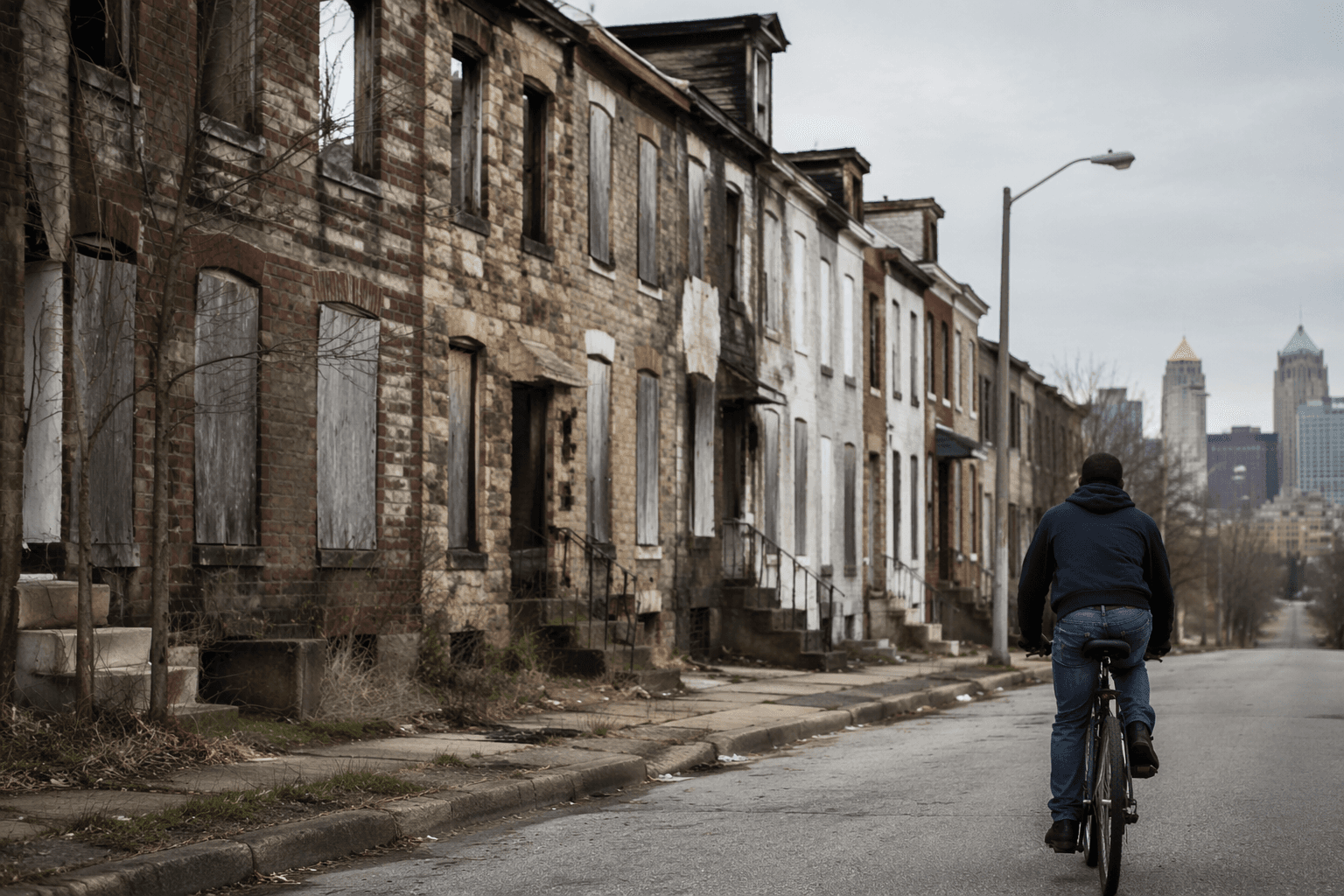
Baltimore residents challenge Mayor Scott’s $4.9 billion budget plan
Baltimore residents pressed Scott’s $4.9 billion plan for more neighborhood fixes, as speakers from Belair-Edison to Forest Park said City Hall still favors big systems over daily needs.
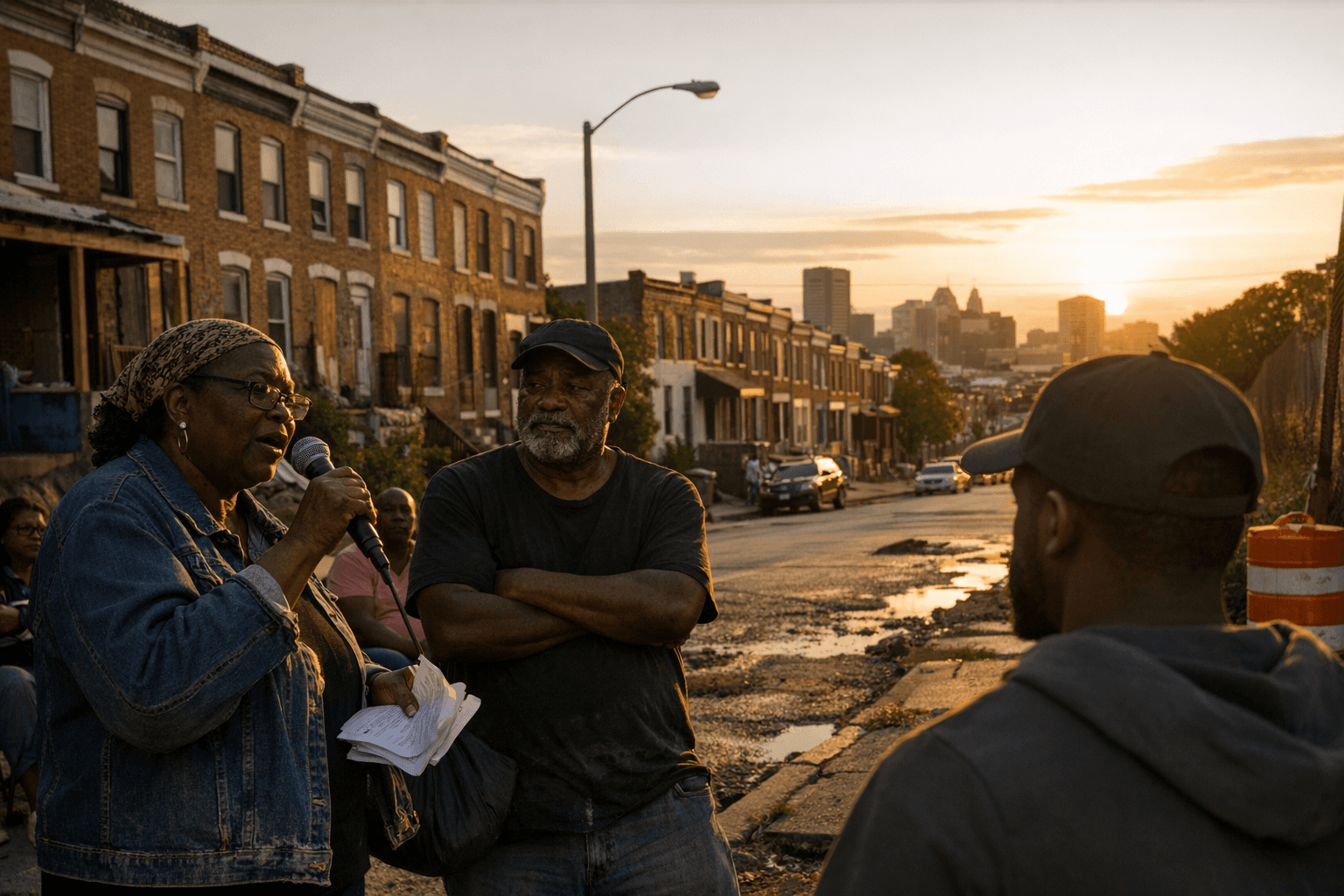
Residents used Taxpayers’ Night at City Hall to challenge whether Mayor Brandon Scott’s $4.9 billion preliminary budget will deliver the neighborhood-level repairs Baltimoreans say they keep asking for. On Wednesday, April 22, speakers were given two minutes each before the Board of Estimates, the panel that will ultimately adopt the Ordinance of Estimates and send it to City Council.
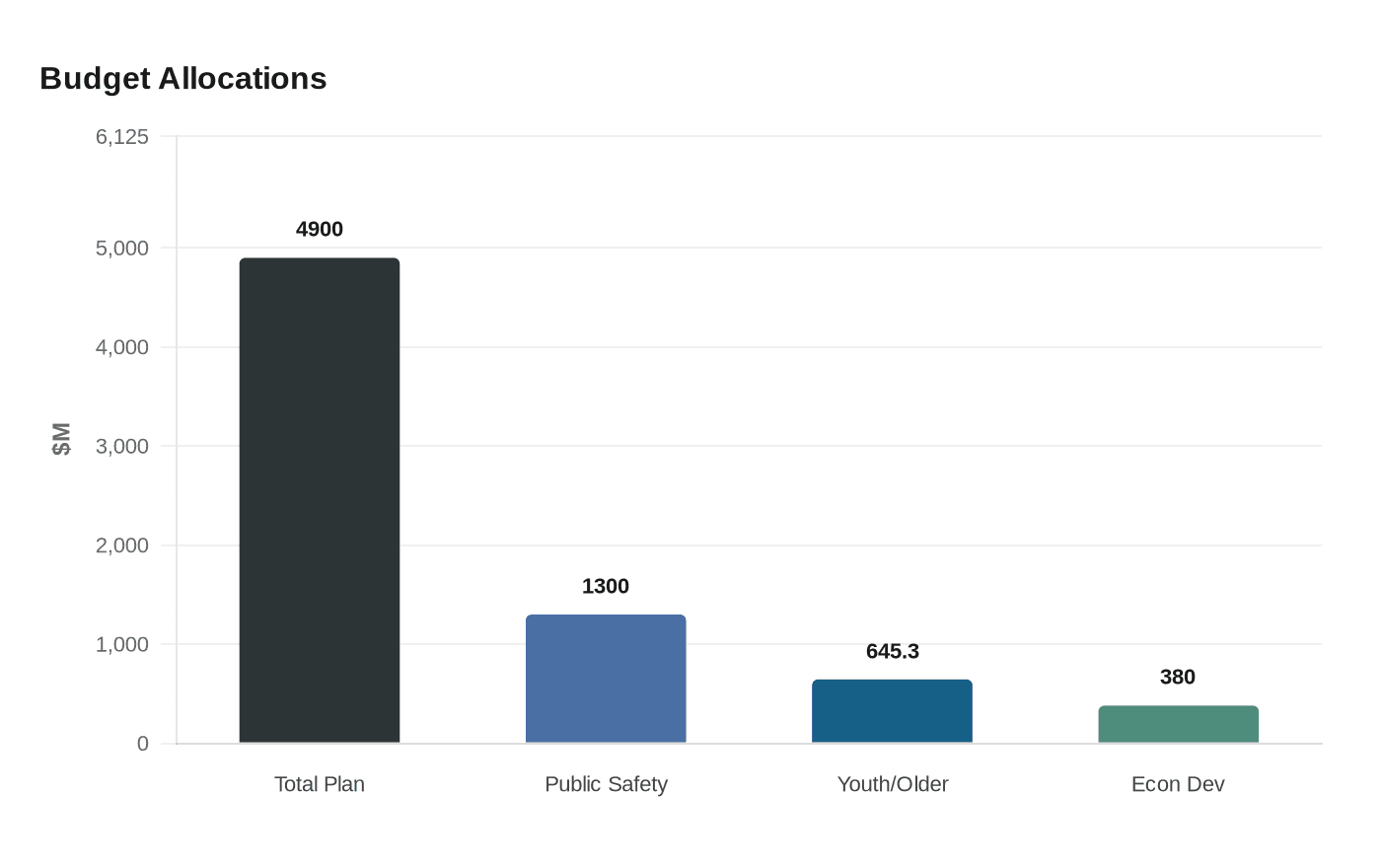
Scott released the FY2027 spending plan on April 1 and said it closed a $12 million funding gap. The mayor cast the budget around six strategic pillars, including prioritizing youth, older adults and vulnerable communities, strengthening public safety, supporting equitable economic development, stewarding city resources responsibly and modernizing infrastructure. City materials say the plan includes $645.3 million for youth, older adults and vulnerable communities, about $1.3 billion for public safety and about $380 million for equitable economic development.
That framework did not satisfy residents who said the numbers did not match what neighborhoods actually need. Speakers including Christina Flowers, Rita Crews, Tessa Hill Aston and Nicole Fabricant pushed the city to do more for grassroots economic development, worker cooperatives, environmental cleanup and basic services that are visible in daily life. The arguments reflected a familiar Baltimore fault line: whether the city should keep concentrating money in traditional agencies or move more of it into neighborhood problem-solving.
The pressure was especially sharp around infrastructure and community facilities. A community leader from Belair-Edison said the area needs a community center, while Forest Park advocates pressed for help repairing a senior center they described as crumbling. Those appeals tied the budget debate to places residents know well, and to the question of whether “equity” will show up as bricks, repairs and programs, not just budget language.
Clean Water Action pointed to the city’s environmental spending as another example of that divide. The group said the FY2027 proposal adds 15 staff positions to begin collecting residential yard waste for composting, but also said the overall solid waste budget is down by about $7 million. It also said $3 million in requested capital funding for a residential composting facility at the future Eastside Transfer Station was left out of the plan.
The Board of Estimates held its special FY2027 budget presentation earlier that day, and another Taxpayers’ Night is scheduled for May 14. For now, the fight over the budget has become a test of whether public testimony changes spending, or simply records what residents say City Hall is still not funding.
This article was produced by Prism’s automated news system from verified source data, official records, and press releases, then run through automated quality and moderation checks before publishing. The system is built and supervised by the people who set the standards it runs under. Read our full AI policy.
Did this article answer your question?