Baltimore retiree fights city over pothole damage reimbursement
An 83-year-old Pikesville retiree is seeking $831.54 after pothole damage, exposing Baltimore’s slow claims process and repair backlog.
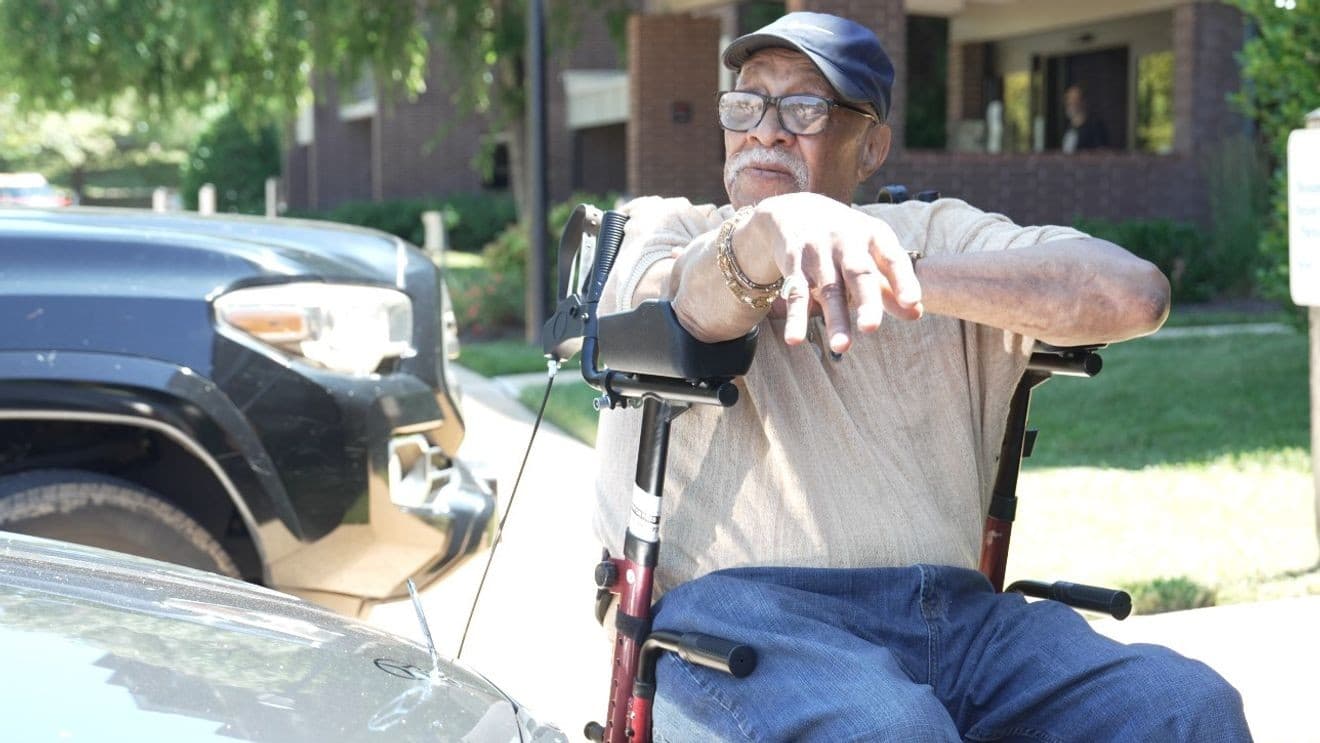
Willie Johnson, an 83-year-old Pikesville retiree, sought $831.54 from Baltimore after a pothole damaged his vehicle, but a denial letter said the city had no prior complaints about that specific street hazard. His case has turned into a test of how Baltimore handles repair complaints, damage claims and the question of who pays when a road fails.
Baltimore says residents should report potholes through 311, and the city’s Law Department says written claims must be delivered within one year of the incident. The department then investigates before making a decision. City transportation officials also say winter pothole repairs are temporary until permanent spring repairs, and that most potholes are repaired within 48 hours. Johnson’s dispute shows how that process can still leave a driver stuck waiting while the damage remains his to cover.

The scale of the system helps explain why. Baltimore’s maintenance division says it is responsible for about 2,000 miles of roadway and 800 miles of alleys, along with 300 bridges, 2 drawbridges and 17 pedestrian bridges. The city has also paid an average of nearly $46,000 a year since 2020 to settle pothole-related claims. By late May 2026, 230 vehicle-damage claims tied to road conditions had been filed for 2025, with 24 approved, 110 denied and 96 still undecided. The Law Department said the average claim took 154 days to resolve.
Johnson’s fight carries added weight because he spent 37 years working his way up in the United States before retirement. Instead of dealing with an insurer or a commercial repair dispute, he is trying to recover a relatively small amount from City Hall after a basic street-maintenance failure. The denial letter he shared underscores the city’s narrow defense in many pothole cases: if no prior complaint exists in the record, the claim can be hard to win even after damage is done.
The broader budget picture is just as unforgiving. Baltimore officials have said cuts to Maryland’s Highway User Revenue funding cost the city nearly $1 billion over roughly 15 years. City budget materials for fiscal 2026 showed an $85 million shortfall to close, even as local transportation funding was set at $94.1 million. For drivers on streets across Baltimore, that leaves the city balancing a large repair network, limited money and a reimbursement process that can take months to decide whether the city will pay.
This article was produced by Prism’s automated news system from verified source data, official records, and press releases, then run through automated quality and moderation checks before publishing. The system is built and supervised by the people who set the standards it runs under. Read our full AI policy.
Did this article answer your question?