Baltimore spends $1 million to study merging housing and planning agencies
Baltimore is paying $1,067,600 to test whether housing and planning should be merged, a move that could change how vacant-property work and development decisions move through City Hall.
Baltimore will spend more than $1 million to decide whether two of its most important land-use agencies should become one, a question that could affect how quickly the city coordinates housing policy, planning and redevelopment. The Board of Estimates approved a $1,067,600 contract June 17 with Urban Policy Development LLC, known as UPD Consulting, to study whether the Department of Housing and Community Development and the Department of Planning should be combined.
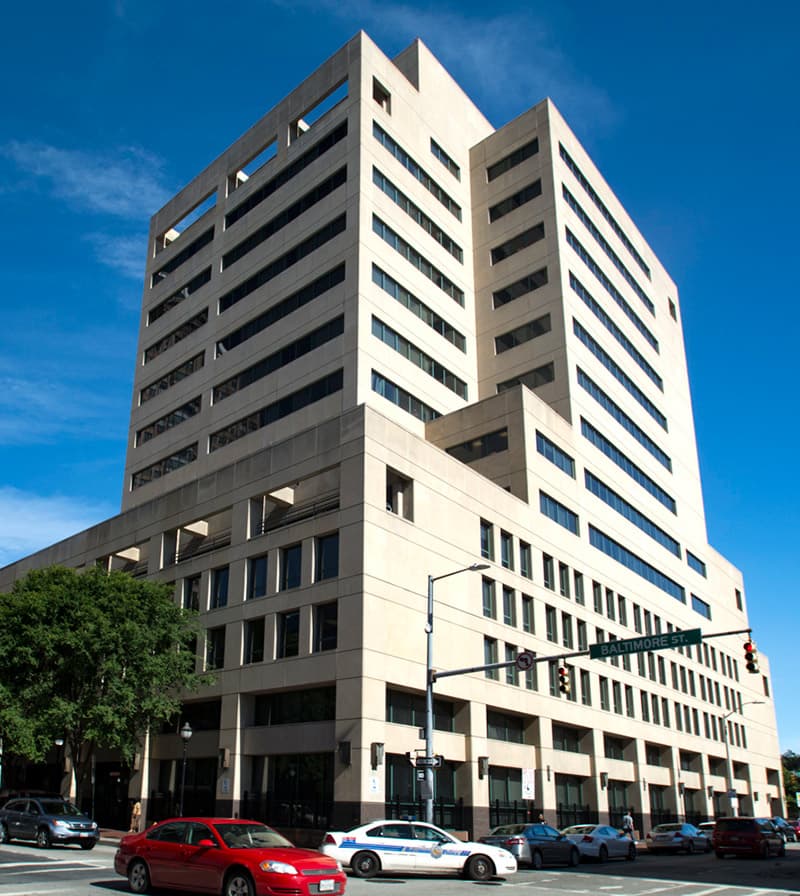
The vote came without discussion on a routine agenda, but the stakes are much larger than a bookkeeping exercise. The two departments already sit in the same Charles L. Benton Jr. Building on East Fayette Street, and city officials are looking for a structure that could make decisions about housing, zoning and redevelopment line up more cleanly for neighborhoods, developers and advocates.

Mayor Brandon Scott set the review in motion on Feb. 18, when he said he intended to nominate Timothy Keane as housing commissioner and Renata Southard as planning director, effective March 2. Scott also asked the two leaders to examine whether the departments could be merged. The announcement followed a six-month search that drew local and national candidates, and it paired the leadership change with a broader effort to rethink how Baltimore handles vacancies and redevelopment.
The city’s reorganization has already started to show up in the budget. Baltimore’s FY2026 executive summary transfers the Office of Zoning Administrator from the housing department to the Planning Department, a change meant to align the office enforcing the zoning code with the office creating it. That move suggests the administration sees overlap not just in mission, but in daily workflow.
UPD Consulting’s job will unfold in two phases. First, the firm will gather input from internal and external stakeholders and identify immediate operational problems and opportunities. Then it will conduct a broader organizational and operational review that is expected to produce a preliminary memo with recommendations for restructuring.
UPD says its work includes organizational assessments, stakeholder engagement, process mapping and implementation support. Renata Southard’s role makes the overlap even clearer: Baltimore Planning’s March 2026 newsletter says she had previously led the Redevelopment Strategy Planning Team at DHCD before taking the planning post.
Maryland Department of Housing and Community Development Secretary Jake Day also endorsed the city’s rethinking of the two agencies, calling it a stronger, more coordinated approach to the vacancy-reduction strategy shared by Baltimore and the state. For Baltimore neighborhoods where stalled projects, vacant buildings and slow-moving approvals can shape daily life, the city’s $1,067,600 question is whether one agency could deliver more than a new chart on paper.
This article was produced by Prism’s automated news system from verified source data, official records, and press releases, then run through automated quality and moderation checks before publishing. The system is built and supervised by the people who set the standards it runs under. Read our full AI policy.
Did this article answer your question?