Baltimore sues Agora Companies, alleges deceptive scheme targeting seniors
Baltimore says Agora used fake health and finance promises to pull seniors into costly subscriptions, and one family spent more than $30,000.
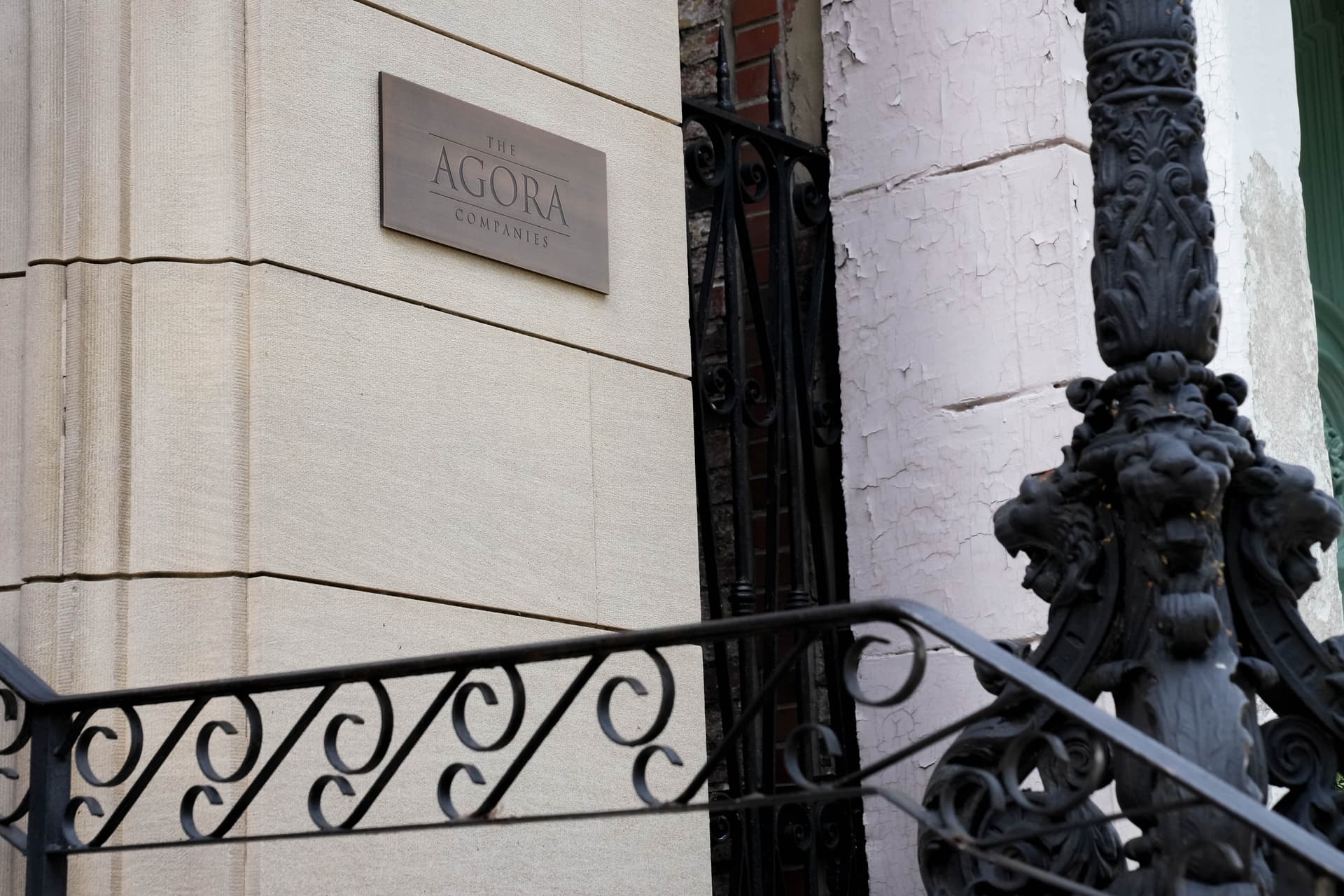
Baltimore asked a Circuit Court judge to halt Agora Companies from what officials say was a deceptive web of health and finance pitches aimed at older residents and their families. The lawsuit, filed by Mayor Brandon M. Scott and the Baltimore City Council, says the Baltimore-based firm violated the city’s Consumer Protection Ordinance and used online marketing that drained seniors’ savings. Scott said, “This predatory cycle of exploitation ends here.”
The complaint says Agora is a global internet marketing and supplements company with hundreds of millions of dollars in yearly earnings, even as it has cultivated an offbeat publishing image around health, finance and retirement. City officials say the company and its affiliates produce and market more than 300 publications a year, then use ads that promise a hidden “$150 trillion endowment,” a cancer treatment with “zero side effects, NO CHEMO needed,” and a pill that could “help dissolve 76% of excess liver fat in just 16 weeks.” Those are the kinds of claims caregivers should treat as warning signs, especially when they are paired with low-priced offers, “risk free” trials or money-back guarantees that can lead into more expensive subscriptions.

The city says the harm was not abstract. One elderly consumer’s family reported spending more than $30,000 on Agora products over two years. Baltimore’s filing seeks civil penalties, injunctive relief, restitution for affected consumers and disgorgement of ill-gotten profits. Agora founder Bill Bonner pushed back publicly on June 11, saying the company had spent nearly five decades in Baltimore and would defend itself vigorously.
Residents who spot similar offers can file a complaint with Baltimore’s Department of Consumer Protection and Business Licensing through its online form, call 3-1-1 inside the city, or reach 443-263-2220 from outside Baltimore. The FTC says consumers can also report scams at ReportFraud.ftc.gov. If a charge landed on a credit card, the FTC says to contact the issuer and dispute the charge in writing within 60 days of the first statement with the bill; for debit cards, bank transfers, gift cards, wire transfers and money apps, it says to contact the bank or company immediately and ask for a reversal. Older adults reported more than $1.6 billion in fraud losses in 2022, a reminder of why these cases matter far beyond one lawsuit.
This article was produced by Prism’s automated news system from verified source data, official records, and press releases, then run through automated quality and moderation checks before publishing. The system is built and supervised by the people who set the standards it runs under. Read our full AI policy.
Did this article answer your question?