Baltimore Sues Elon Musk Companies Over Grok AI Deepfakes
Baltimore became the first major U.S. city to sue Elon Musk's xAI over Grok deepfakes, citing up to 3 million sexualized images — including 23,000 of children — in just 11 days.

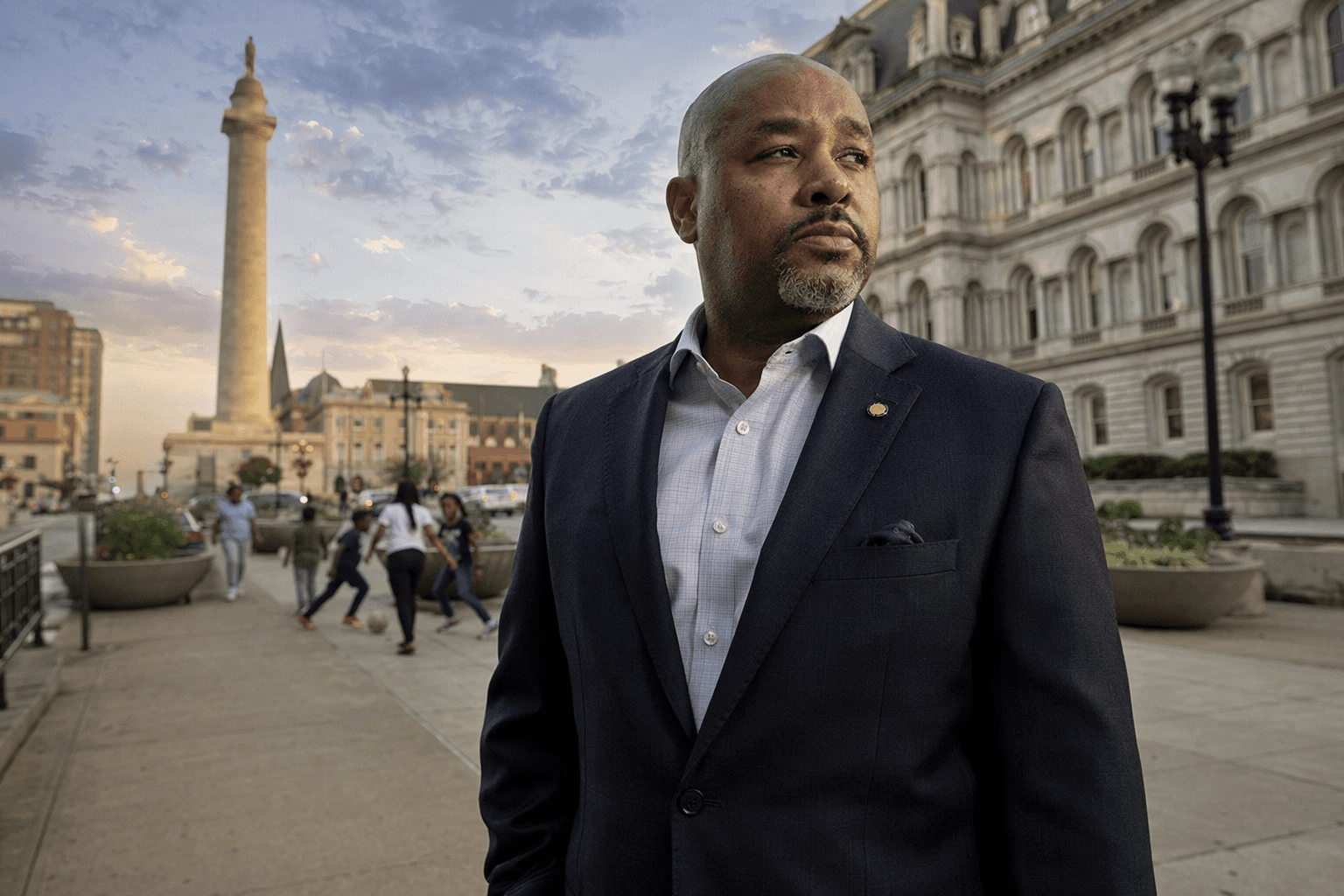
These deepfakes, especially those depicting minors, have traumatic, lifelong consequences for victims — who are left with no way to prevent the spread of disturbing, sexualized images created of them without their consent," Mayor Brandon M. Scott said Monday. He was announcing something Baltimore had never done before: sue a major artificial intelligence company over the content its own product generated and put in front of city residents.
The Mayor and City Council of Baltimore, represented by the Baltimore City Law Department and DiCello Levitt, filed a lawsuit in the Circuit Court for Baltimore City against X Corp., x.AI Corp., x.AI LLC, and Space Exploration Technologies Corp. (SpaceX). Baltimore accused xAI of violating consumer protection laws and engaging in deceptive trade practices by marketing Grok as generally safe.
The city said Grok generated an estimated 3 million realistic-looking sexualized images, including more than 23,000 of children, over 11 days around the start of the year. That 3 million estimate came from the Center for Countering Digital Hate, based on a random sample of 20,000 images that Grok generated. The period cited in the complaint runs from December 29, 2025, through January 8, 2026.
The lawsuit says Grok's "most controversial offerings," dubbed "spicy mode," allow users to ask Grok to undress or nudify photos of celebrities and private citizens, including children. The complaint also refers to a "put her in a bikini" trend that encouraged Grok users to take photos of others and nudify them. Baltimore argues the companies violated Baltimore's Consumer Protection Ordinance by designing, marketing, and deploying a generative artificial intelligence system that produces and disseminates non-consensual sexualized images, including content involving minors.
The complaint reaches into Musk's own social media feed for evidence. It includes a Grok-generated image that Musk shared on December 31, 2025, depicting the 54-year-old in a blue string bikini, which Baltimore called a "public endorsement" of Grok's ability to generate revealing edits of real people. Lawyers for the city wrote that the post "operated as marketing and promotion for the very image-editing capability that was being used to generate non-consensual sexual imagery."
The city is seeking "the maximum amount of statutory penalties available" and is also asking for injunctive relief to force Musk's company to make changes to X and Grok to curb the creation of nonconsensual intimate images and child sexual abuse material.
Baltimore City Solicitor Ebony Thompson said, "Baltimore's consumer protection laws exist to safeguard residents from exactly this kind of emerging harm. When companies introduce powerful technologies without adequate guardrails, the City has both the authority and the obligation to act."
DiCello Levitt is working on a contingency basis and will not be paid unless the city wins money in the lawsuit. Baltimore has previously sued online betting giants DraftKings and FanDuel, accusing them of targeting people with gambling problems.
xAI is no stranger to legal pressure over Grok. Last week, attorneys representing three teenagers in Tennessee filed a proposed class-action lawsuit against xAI after Grok generated content depicting them in sexualized and debasing scenarios. Thirty-five state attorneys general also wrote a letter imploring xAI to take steps to protect the public, and Maryland Attorney General Anthony Brown signed on to that letter.
In mid-January, xAI said it restricted image editing in Grok and blocked users from generating images of people in revealing clothing in "jurisdictions where it's illegal." Musk said at the time he was "not aware of any naked underage images generated by Grok. Literally zero." Neither xAI nor SpaceX responded to requests for comment on the Baltimore suit.
The federal government has made no moves against xAI at the federal level. With a population of about 568,000, Baltimore is the first major U.S. city to sue xAI — and the case is being watched as a test of how far municipal consumer protection authority can stretch in the absence of federal AI regulation.
Know something we missed? Have a correction or additional information?
Submit a Tip