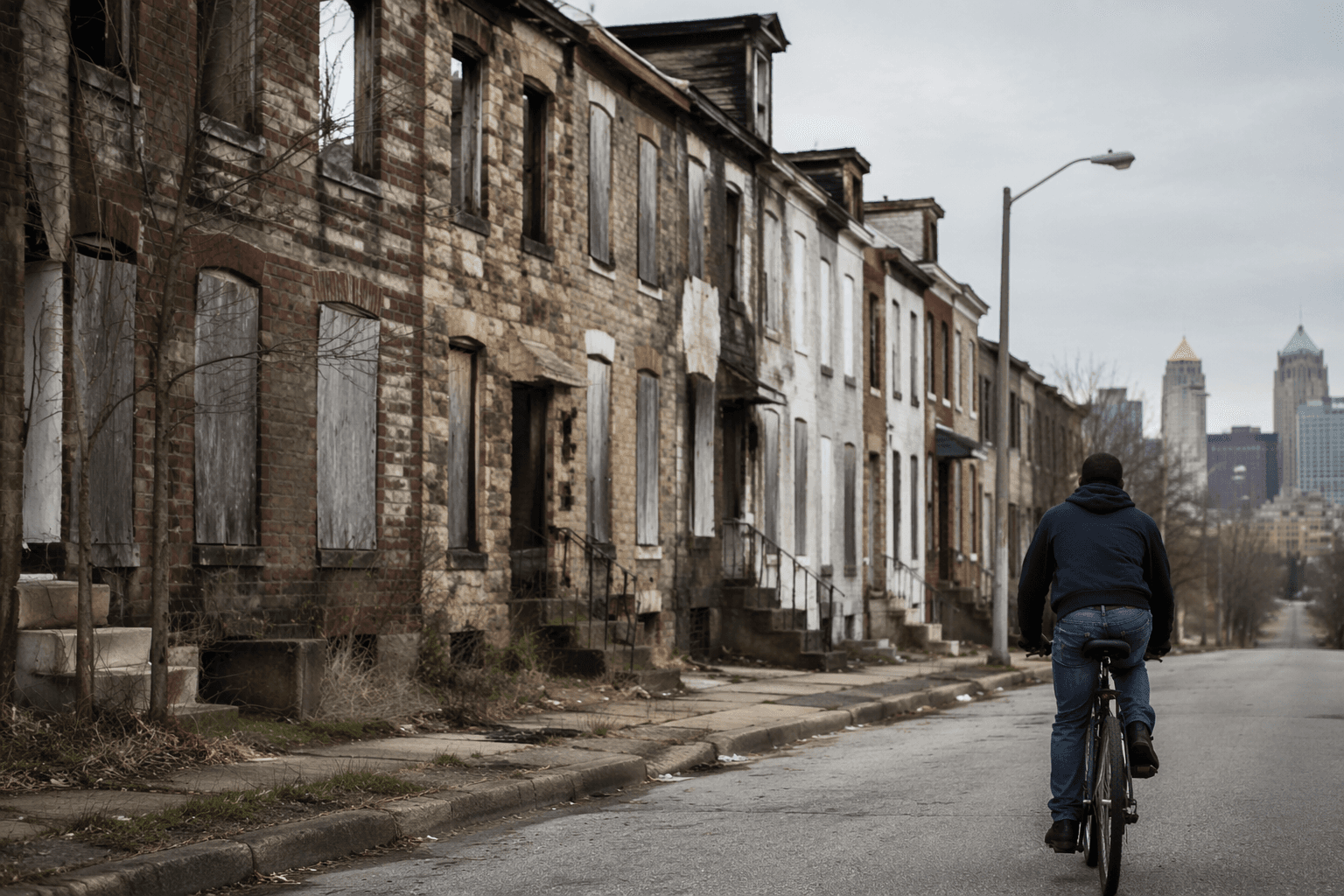
Baltimore Teen Gatherings Draw Arrests, Emergency Responses, Calls for Stricter Enforcement
Large teen gatherings in Baltimore neighborhoods and downtown have repeatedly triggered arrests and emergency responses, prompting fresh calls for stricter enforcement measures.
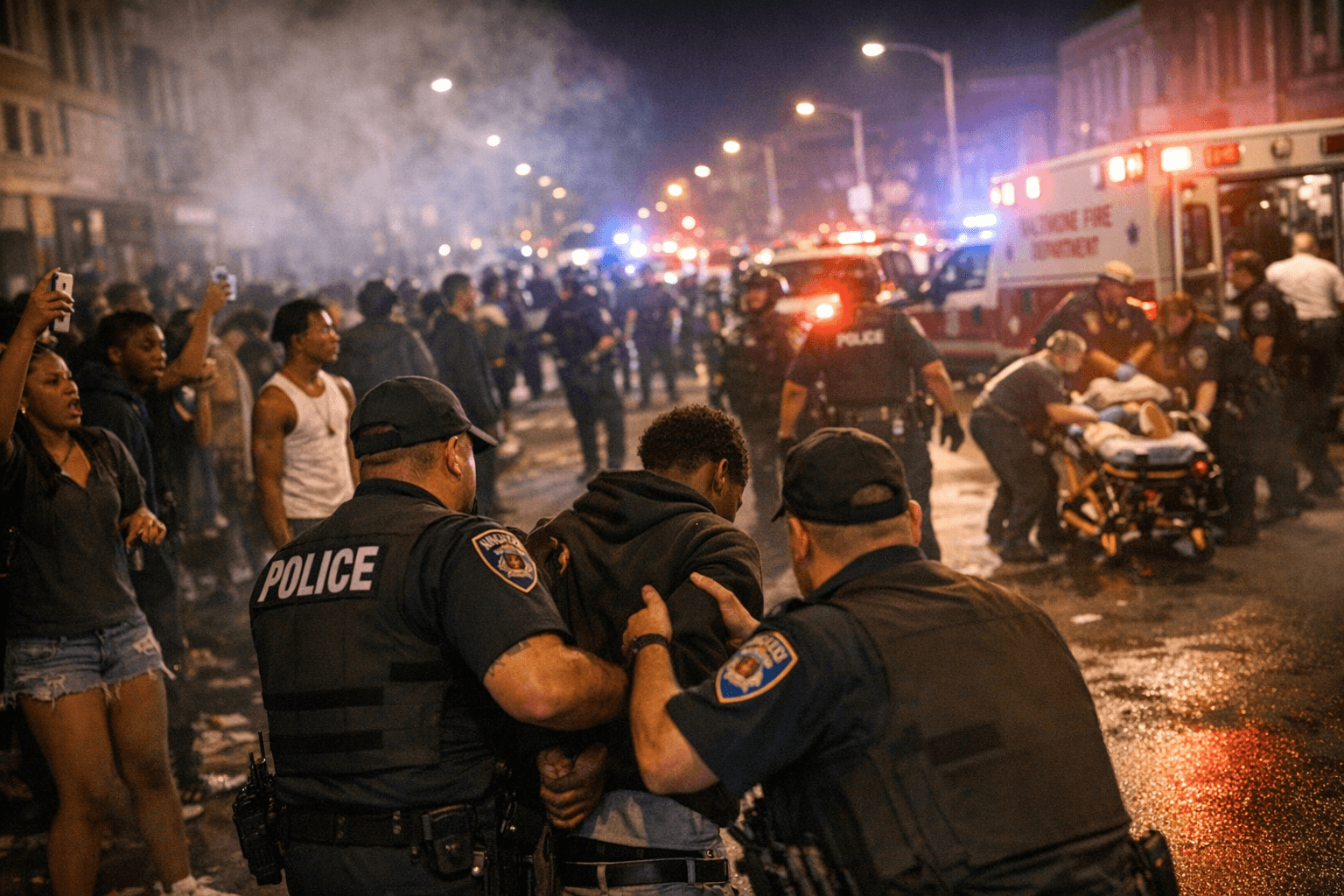
Large gatherings of teenagers in Baltimore's neighborhoods and downtown public spaces have set off a recurring cycle of arrests, emergency responses, and demands from officials and residents for tougher enforcement measures, a pattern that came into sharp focus again around March 14.
Local reporting documented how these congregations, which tend to draw significant numbers of young people to shared urban spaces, consistently escalate to the point of requiring police intervention and emergency personnel. The gatherings have not been isolated incidents but rather a recognizable pattern that has tested Baltimore's public safety infrastructure repeatedly across different neighborhoods and central downtown locations.
The response from city officials and community voices has increasingly trended toward calls for more structured enforcement, including measures that could impose temporary or more permanent restrictions on how and where large youth groups gather in public spaces. That push reflects growing frustration among those who argue that reactive policing after incidents occur has proven insufficient.
Baltimore's downtown corridor and surrounding neighborhoods have been the most frequently cited flashpoints. The concentration of young people in those areas, particularly during weekends and school breaks, has placed sustained pressure on Baltimore City police resources and emergency services, which have had to respond repeatedly to the same geographic zones.
The broader tension underlying these events sits at the intersection of public safety, youth engagement, and access to public space. Critics of strict enforcement approaches have consistently argued that Baltimore's young people need structured programming and accessible spaces, not dispersal orders, while advocates for tighter controls point to the documented pattern of arrests and emergency calls as evidence that the current approach is failing everyone involved, including the teens themselves.
Whether the city moves toward more permanent structural solutions or continues managing gatherings on a case-by-case basis, the mid-March incidents made clear that the underlying conditions driving these patterns remain unresolved.
This article was produced by Prism’s automated news system from verified source data, official records, and press releases, then run through automated quality and moderation checks before publishing. The system is built and supervised by the people who set the standards it runs under. Read our full AI policy.
Did this article answer your question?