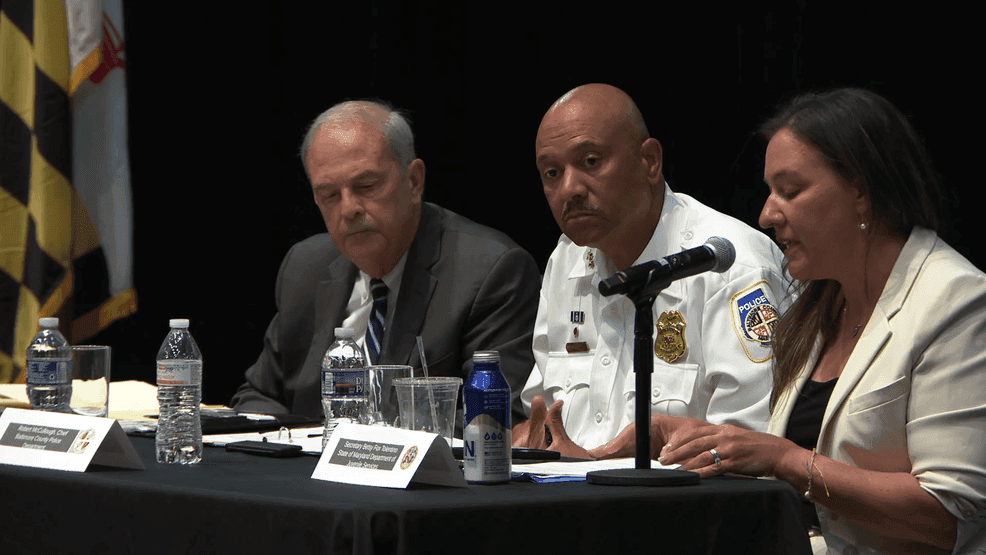
Baltimore tests Susquehanna River backup water system amid drought concerns
Baltimore ran a one-day test of its Susquehanna backup as reservoirs stayed historically low, checking whether the city can keep water moving if drought deepens.

Baltimore’s Department of Public Works spent Tuesday testing the emergency system that can pull water from the Susquehanna River if drought conditions get severe enough to strain city reservoirs. The one-day drill ran from about 7:30 a.m. to 5:30 p.m., and customers should not see any interruption in drinking water service.
Reservoir levels remain historically low, and the region is still under drought stress. The drill was meant to make sure operators can shift to the backup system if dry conditions worsen later in the summer or fall.

Baltimore’s drinking water supply normally comes from Loch Raven Reservoir, Liberty Reservoir and Prettyboy Reservoir, which hold about 86 billion gallons combined. The reservoirs, along with 24,580 acres of watershed it stewards, support about 1.8 million residential and business consumers in Baltimore City and surrounding counties. The system also includes three treatment plants: Montebello I, Montebello II and Ashburton.

DPW can supplement Loch Raven by pumping water from the Susquehanna River 37 miles through a 9-foot transmission main to Montebello from the Deer Creek Pumping Station. Susquehanna River Basin Commission records put Baltimore’s intake structure and conduit at 1966, when the city built out the pipeline and pumping capacity for emergency withdrawals. Baltimore does not use the Susquehanna for routine drinking water service and draws from it only during severe drought conditions. The last widely reported emergency draw came in December 2007, when Baltimore said it would take about 50 million gallons a day from the river.
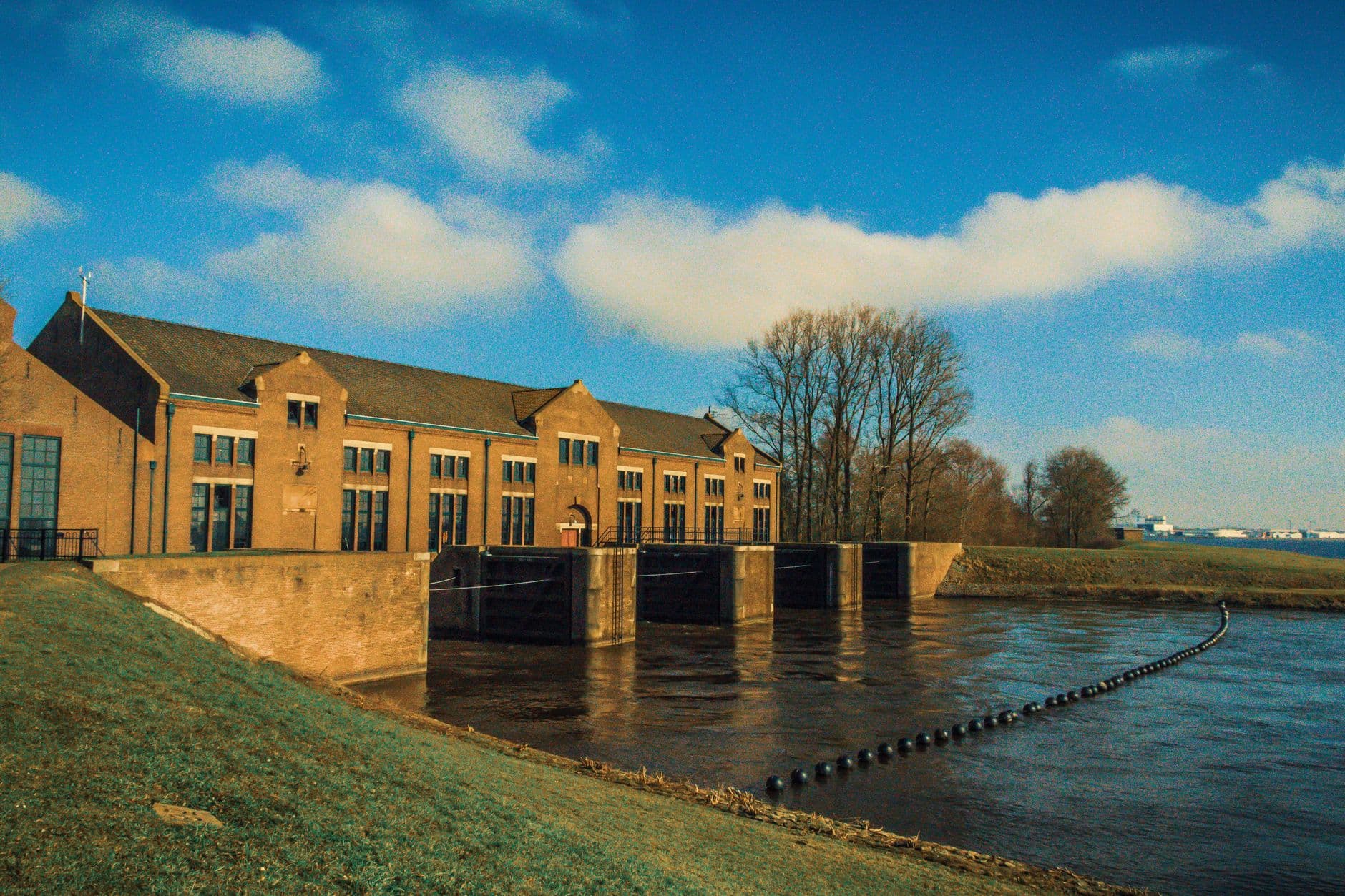

Baltimore issued voluntary water-use restrictions on May 14, the same day the Maryland Department of the Environment issued a drought warning for large parts of the state after persistent rainfall deficits. Baltimore coordinated those restrictions with Harford, Howard and Carroll counties as officials tried to curb demand before mandatory limits or emergency supply measures became necessary.
This article was produced by Prism’s automated news system from verified source data, official records, and press releases, then run through automated quality and moderation checks before publishing. The system is built and supervised by the people who set the standards it runs under. Read our full AI policy.
Did this article answer your question?