Baltimore turnout was second-lowest in Maryland’s June primary
Baltimore City posted 18.89% turnout in the June 23 primary, its weakest gubernatorial showing since at least 2002.

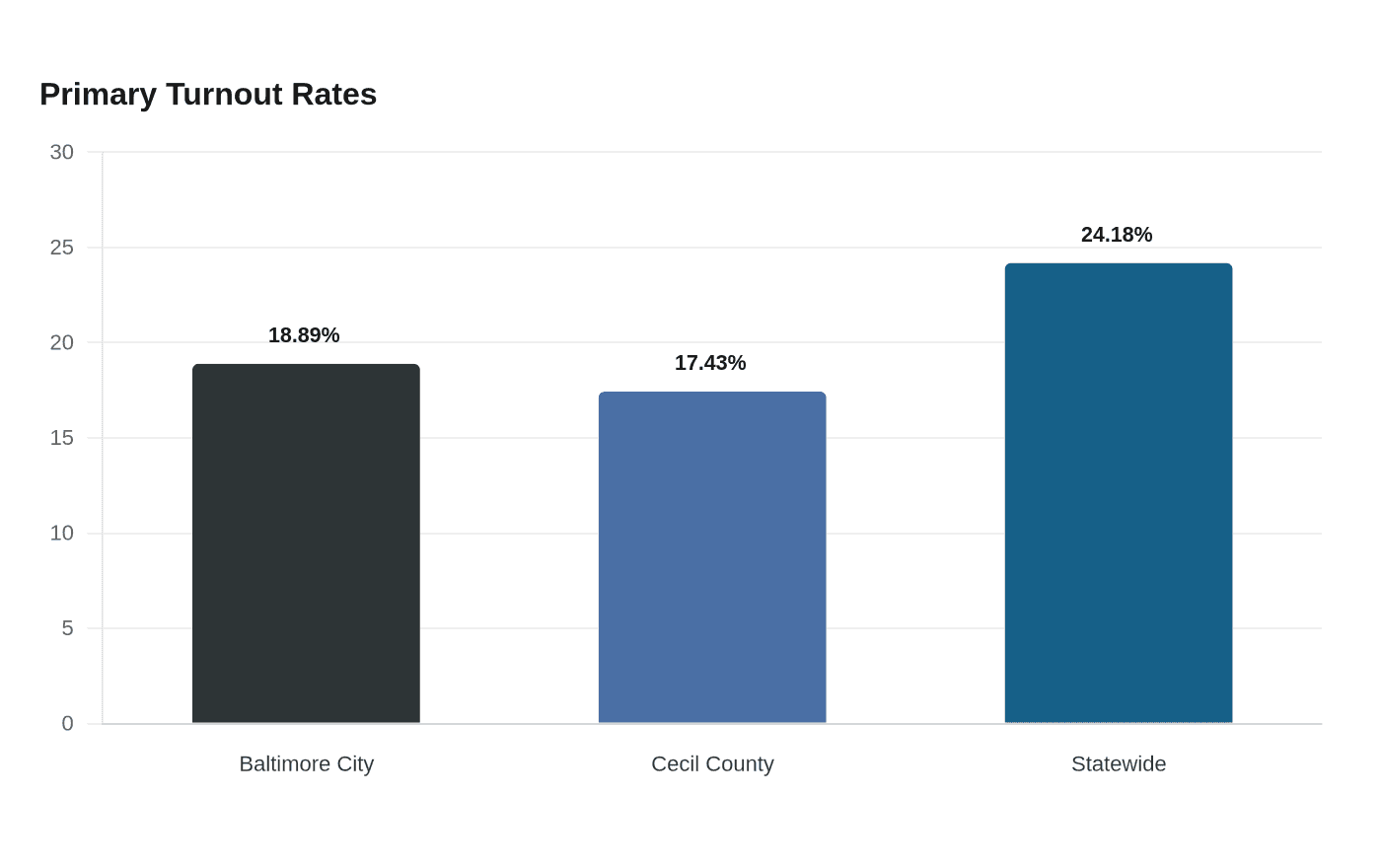
Baltimore City voters turned out at 18.89% in Maryland’s June 23 primary, the second-lowest rate in the state and the city’s weakest gubernatorial primary showing since at least 2002. Only Cecil County was lower, at 17.43%, even as Maryland voters picked nominees for governor, other statewide offices, Congress and the legislature.
State election totals put turnout statewide at 24.18%, or 891,267 of 3,686,495 registered voters. That left Baltimore far behind the state average at a moment when primary elections often decide who actually takes office in citywide and district races later in the year.
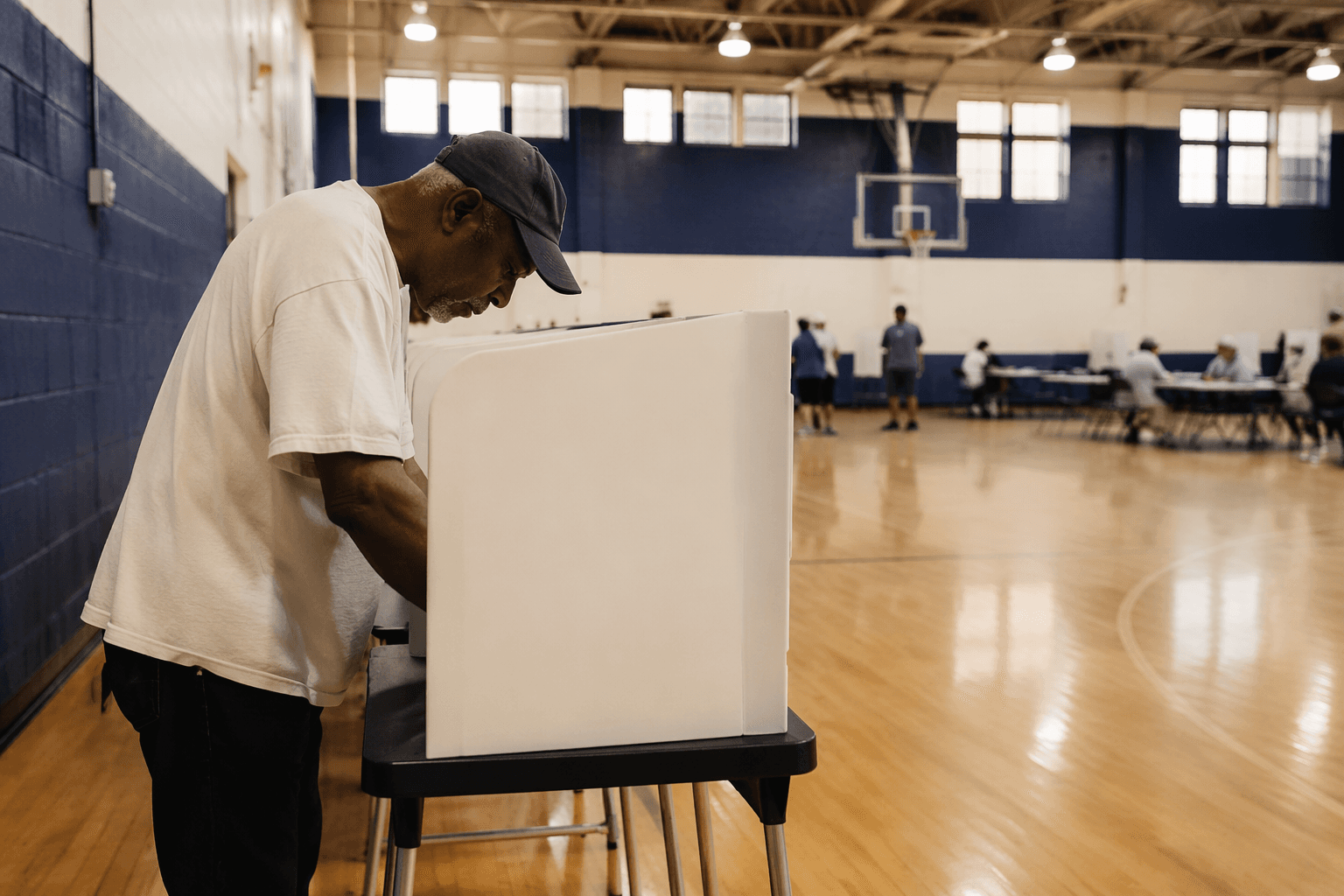
The low citywide rate fits a longer pattern of uneven participation in Maryland primaries. The Maryland Department of Legislative Services dashboard shows statewide registered-voter turnout of 24% in 2018, 42% in 2020 and 27% in 2022. Baltimore’s result this year dropped below even those muted non-presidential benchmarks, underscoring how badly the city lagged in a contest that shaped the lineup for Annapolis and Baltimore’s own power centers.
Rain in central Maryland also appeared to matter on primary day, slowing the morning rush to polling places and keeping some voters home. That weather hit came on a day when local campaigns needed every ballot they could find, especially in a city where district primaries and low-profile local contests often carry more weight than the general election.
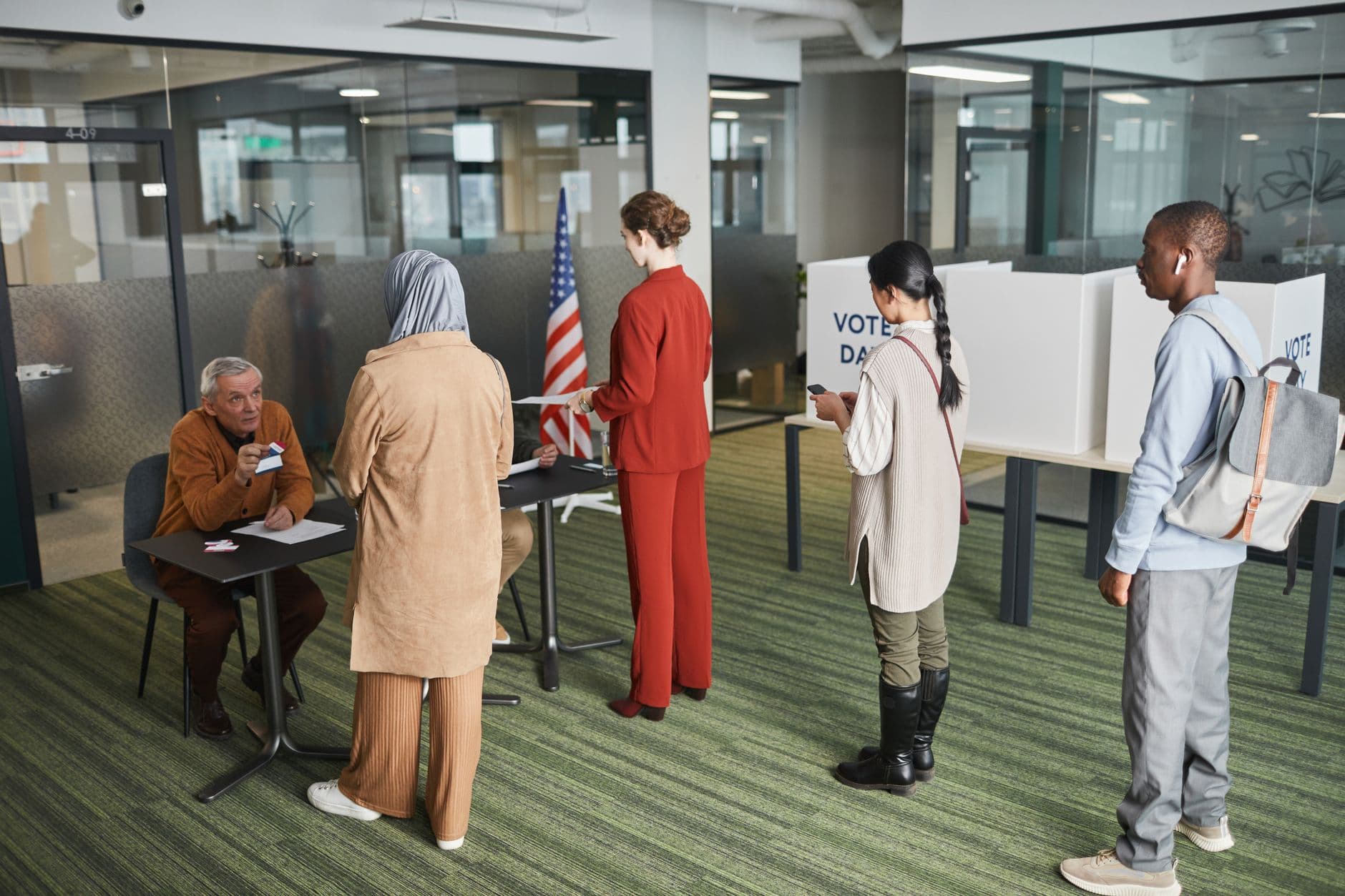
One exception stood out in Baltimore: the 41st District Senate race drew a comparatively strong share of eligible Democratic voters, bucking the citywide malaise. The result suggests that a tightly contested, neighborhood-centered race can still cut through the broader disengagement that dragged down participation elsewhere in the city.
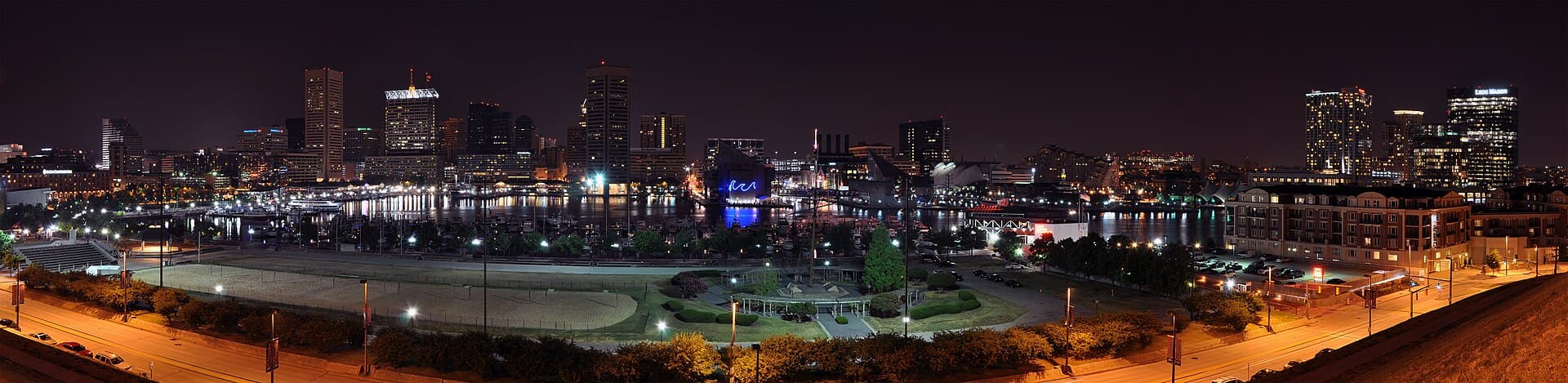
Baltimore’s election site keeps archived primary results for 2022, 2020, 2018, 2016, 2014, 2012 and 2010, making this year’s 18.89% turnout part of a record that city officials, campaigns and civic groups can compare precinct by precinct. For neighborhoods trying to influence public safety, housing, schools, transportation and city spending, the gap between the voters who showed up and the ones who stayed home will shape who enters office and how much pressure those winners feel once the results are certified.
This article was produced by Prism’s automated news system from verified source data, official records, and press releases, then run through automated quality and moderation checks before publishing. The system is built and supervised by the people who set the standards it runs under. Read our full AI policy.
Did this article answer your question?