Baltimore vacant properties drop to 11,813, lawmakers push faster action
Baltimore trimmed vacancies to 11,813, but clearing the rest at the current pace would still take about 17 years, renewing pressure for faster action.
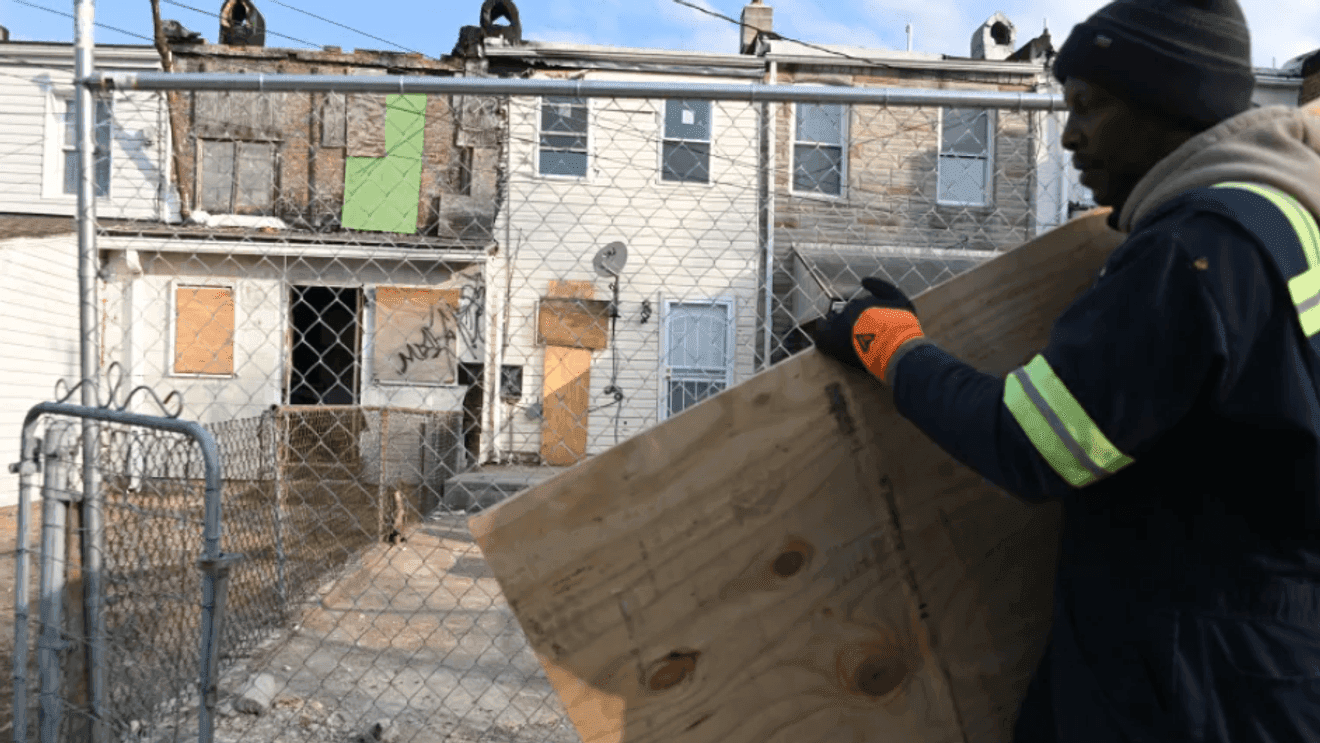
Baltimore’s vacant-house count has fallen to 11,813, down about 26 percent from roughly 16,000 in 2020, but the remaining stock is still large enough to shape whole blocks in East and West Baltimore and keep neighbors waiting for relief. At roughly the same pace of decline, the city would need about 17 to 18 more years to clear the rest, far longer than many lawmakers are willing to accept.
That tension was front and center Tuesday, April 22, when city officials briefed a Baltimore City Council committee. Tim Keane, the acting commissioner of the Department of Housing and Community Development, tied the work to Mayor Brandon Scott’s $3 billion vacant-housing plan, launched in 2023 to eliminate vacant housing over 15 years through public and private financing, rehabilitation and some conversion into community green space. Councilman Zac Blanchard said the city should keep its foot on the gas and be more aggressive.
The stakes are not abstract. Johns Hopkins researchers have estimated Baltimore’s vacant housing costs the city about $210 million a year in public expenses, while other estimates put the annual hit at at least $100 million in lost tax revenue and about $100 million in public costs. In 2020, Baltimore’s residential vacancy rate was 7.7 percent, and in some East and West Baltimore neighborhoods nearly one in three houses sat empty, a level that drags on safety, property values and the tax base.
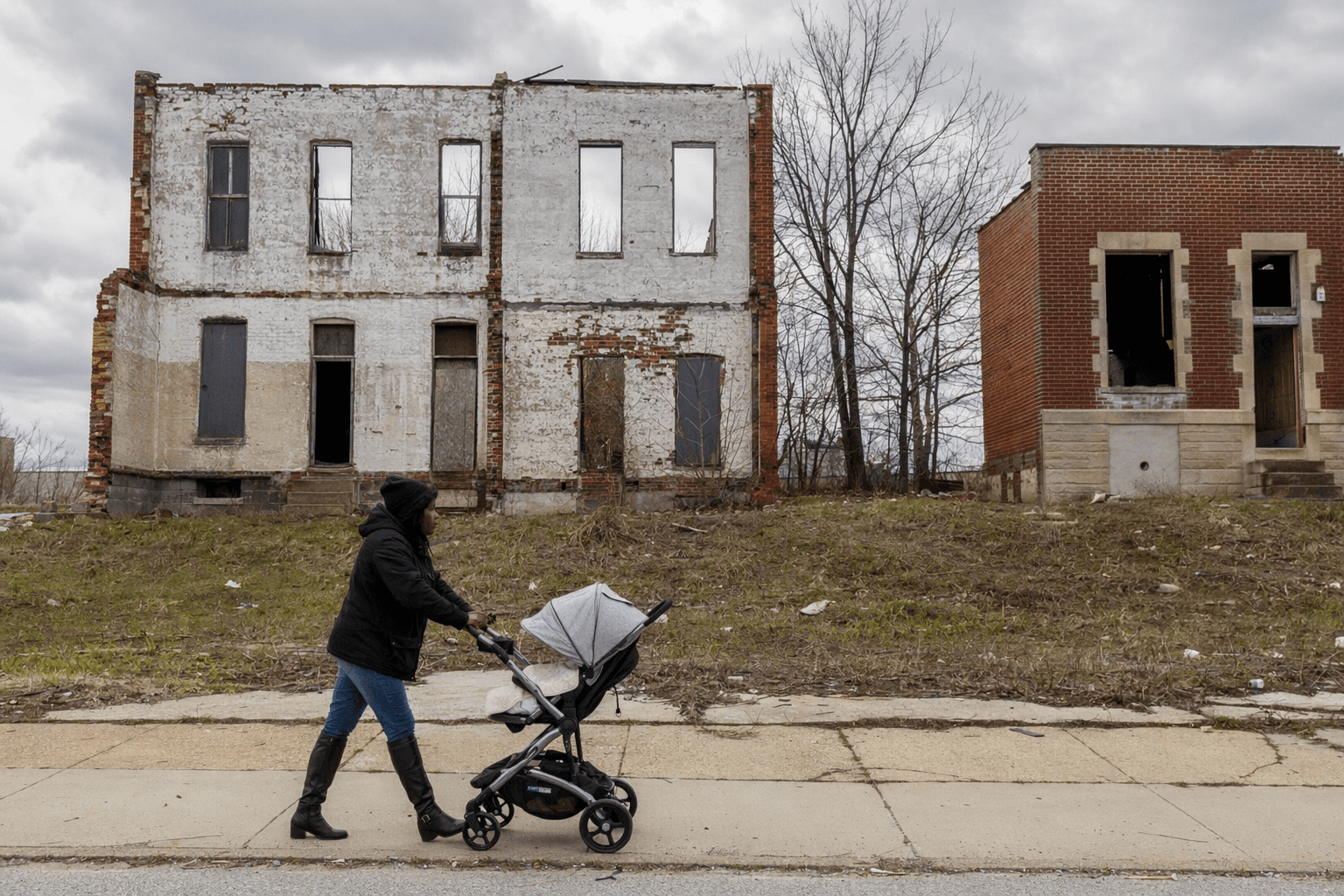
Baltimore owns just over 900 vacant buildings and is trying to acquire more, giving the city more control over redevelopment but also more responsibility for maintenance, funding and timing. The broader agreement reached in December 2023 with BUILD and the Greater Baltimore Committee called for the city to invest $300 million over 15 years, leverage at least $2 in private money for every $1 in public money, and redevelop at least 37,500 vacant or at-risk properties, with room for as many as 45,000.
State officials have moved to coordinate around that goal. The Baltimore Vacants Reinvestment Council is chaired by Maryland Department of Housing and Community Development Secretary Jake Day and vice-chaired by Baltimore DHCD Commissioner Alice Kennedy. Maryland’s Reinvest Baltimore Action Plan, published Feb. 10, 2026, set objectives, strategies and performance targets, including five-year redevelopment benchmarks, and the next round of Baltimore Vacants Reinvestment Initiative applications was set to open Feb. 18. Still, the pace question remains tied to basic implementation, including permitting, after developer Devante Teel said in March he had waited three years for a permit to rehab a condemned property on Monroe Street.
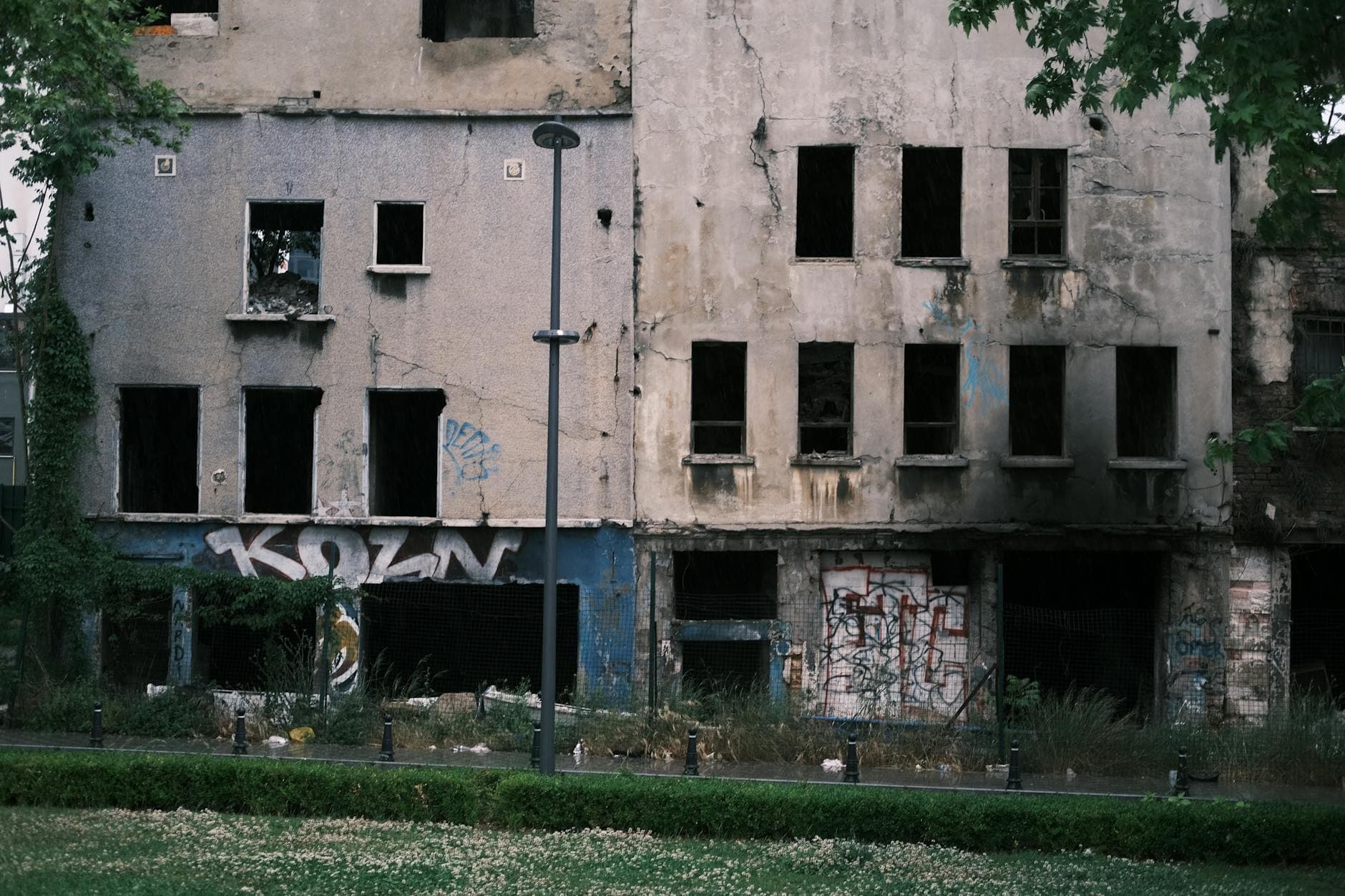
Baltimore can point to progress. The harder test is whether the city can turn that decline into visible change block by block before another generation spends years looking at boarded windows instead of occupied homes.
This article was produced by Prism’s automated news system from verified source data, official records, and press releases, then run through automated quality and moderation checks before publishing. The system is built and supervised by the people who set the standards it runs under. Read our full AI policy.
Did this article answer your question?