Baltimore youth fund showcases community projects, civic partnerships at 4MLK
At 4MLK, Baltimore’s youth fund put its grants on display, showing how public dollars turned into 100 grantees, nearly 19,000 youth seats, and citywide partnerships.
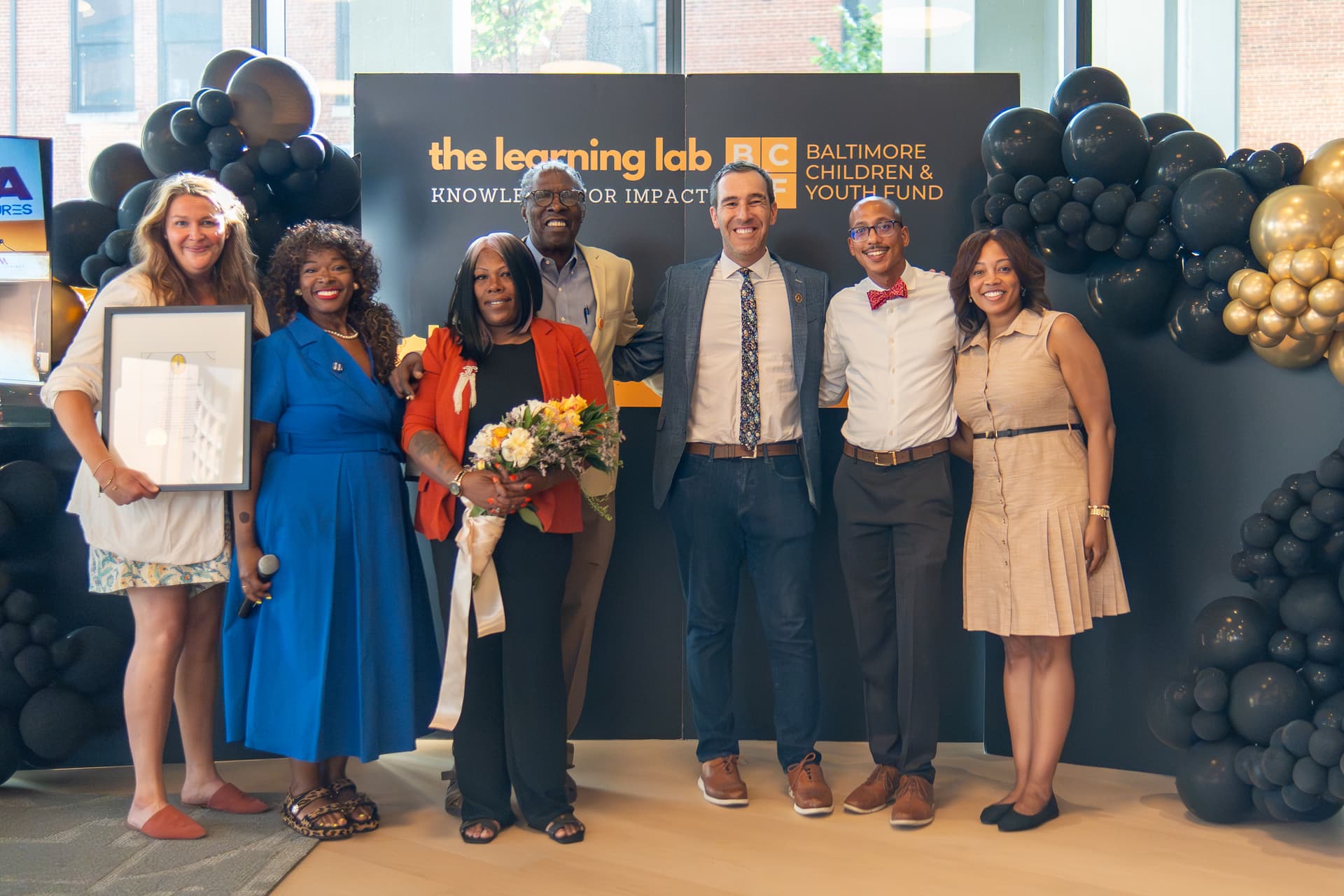
Baltimore’s youth funding machine stepped out of the grant ledger and into public view at 4MLK, where the Baltimore Children & Youth Fund turned its Community Exhibition into a showcase of what city money is buying for young people. The free, walkable, two-floor event ran Thursday, June 11, 2026, from 5 to 8 p.m. and was built as a hands-on look at the Learning Lab’s 2025 to 2026 program year.
What the exhibition was meant to show
BCYF framed the gathering as more than a celebration. Its goal was to bring youth leaders, grassroots organizations, nonprofits, and community partners into the same room so Baltimore residents could see the work, not just hear about it. The format, which BCYF described as an adult-style science fair, included interactive stations, gallery walks, and hands-on demonstrations designed to show how youth projects move from idea to implementation.
That matters in Baltimore because the real question behind youth funding is not whether a program looks good on paper. It is whether it creates access, stability, and leadership opportunities in neighborhoods where young people need them most. The exhibition offered a public answer by showing the ecosystem around those programs, including the organizations helping build them and the citywide network that supports them.
Why 4MLK became the right setting
Holding the event at 4MLK on the University of Maryland BioPark campus gave the exhibition a visible civic and institutional backdrop. The space signaled that youth development in Baltimore is not a side project tucked away from the city’s core institutions. It sits at the intersection of public investment, nonprofit delivery, and policy goals that reach across Baltimore City.
The event’s location also helped reinforce the idea that youth work is city infrastructure. A walkable, two-floor layout invited people to move between exhibits, meet organizers, and see how different groups connect within Baltimore’s youth-development network. In practical terms, the setup made the exhibition feel like an open house for a public system, not a private fundraiser or a closed workshop.
The city policy stakes behind the celebration
BCYF’s work carries clear policy weight because it is tied to the Baltimore Youth Master Plan, which the fund describes as Baltimore’s first-ever community-driven roadmap for young people. The plan was built from the voices of youth, families, grassroots leaders, nonprofits, and partners across the city, giving the exhibition a direct line to a broader civic agenda rather than a one-off event.
Stage A of the Youth Master Plan marked its public launch, and Stage B formally launched on March 11, 2026, to widen community participation and peer-city collaboration. That timeline matters because it shows the exhibition was not just looking backward at completed projects. It was also helping explain where the city is headed next and how Baltimore hopes to build a more durable youth policy framework.
The policy conversation becomes even sharper when you look at who was expected to attend. City Council President Zeke Cohen and Councilwoman Phylicia Porter were planning to be there, along with BCYF president and CEO Alysia Lee. Their presence gave the exhibition a political dimension, making it clear that youth funding in Baltimore is not just a nonprofit story but a matter of city governance and public accountability.
Where the money has gone so far
The exhibition also sits on top of a long-running public investment story. BCYF grew out of community demands for racial equity after Freddie Gray’s death in 2015, won voter approval by 80% in 2016, and was officially established in 2020. Since then, the fund says it has supported at least 140 grassroots groups, provided 17,000 youth opportunities, and awarded more than $40 million in grants and funding.
Its fiscal year 2025 numbers show the scale more concretely. BCYF says it awarded more than $10 million to 100 grantee partners, provided more than 200 hours of learning for Baltimore’s youth-development ecosystem, and helped create nearly 19,000 youth programming seats across the city. Those figures are the strongest measure of what residents are getting for the public investment: not abstract promises, but funded seats, training hours, and a broad network of community organizations able to serve young people.
That is why the exhibition matters beyond the walls of 4MLK. It gives Baltimore residents a chance to see whether the fund’s dollars are translating into real access and neighborhood-level capacity. In a city where safe spaces, mentoring, job pathways, and community leadership opportunities are often unevenly distributed, the public display makes the case that youth funding should be judged by outcomes, not slogans.
The community groups that filled out the picture
The participating organizations added another layer to the story. CHARM, Nuestras Raíces, Expanding Boundaries International, and The Equity Project Foundation were among the named partners, signaling that the exhibition was built to reflect the range of Baltimore’s youth-serving network. The mix of groups suggests that the city’s youth ecosystem is not concentrated in one type of institution or one neighborhood; it is distributed across grassroots, cultural, and community-rooted efforts.
That breadth is important because youth opportunity in Baltimore depends on more than a single program or agency. It depends on whether a young person can find support in their neighborhood, build skills through trusted adults, and access programs that reflect their lived experience. A public exhibition of this kind lets residents see those pathways side by side and judge whether the city’s investments are reaching across communities rather than pooling in familiar circles.
For Baltimore, the takeaway from 4MLK is straightforward: youth funding now has visible proof points. The city can point to grantee partners, learning hours, and programming seats, but the deeper test remains whether those investments keep expanding safe, equitable, and durable opportunities for young people across Baltimore City.
This article was produced by Prism’s automated news system from verified source data, official records, and press releases, then run through automated quality and moderation checks before publishing. The system is built and supervised by the people who set the standards it runs under. Read our full AI policy.
Did this article answer your question?


