Baltimore’s Bromo Seltzer Arts Tower opens 15 floors to visitors Saturdays
Baltimore’s Bromo Seltzer Arts Tower opens all 15 floors every Saturday, with free access to working studios, exhibitions and a rare look inside a living downtown landmark.
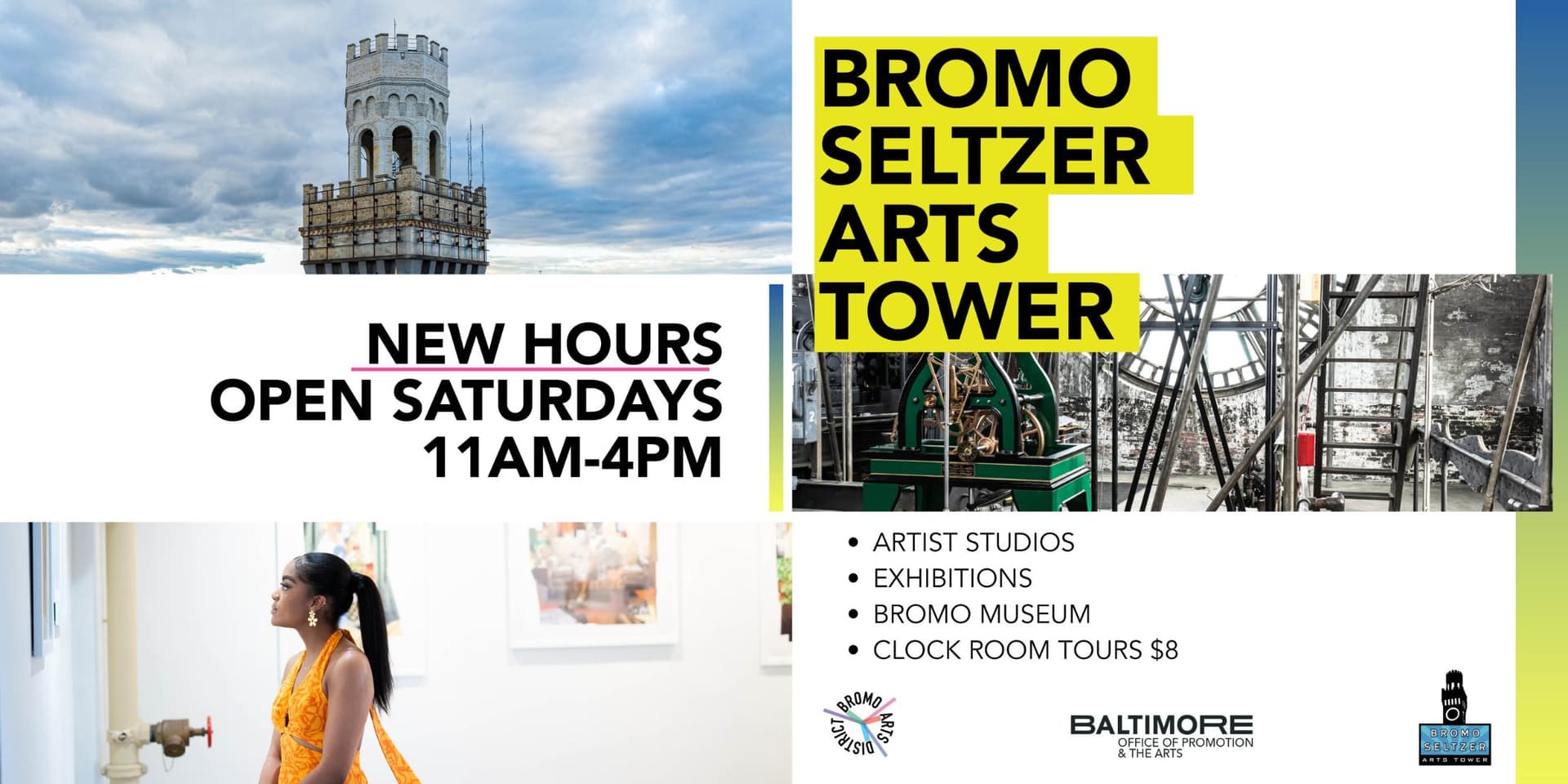
The Bromo Seltzer Arts Tower is not just one of Baltimore’s most recognizable silhouettes, it is a building you can actually walk into, floor by floor, every Saturday. At 21 S. Eutaw Street, the 15-story tower opens from 11:00 a.m. to 4:00 p.m., giving Baltimoreans a chance to see working artist studios, special exhibitions and the day-to-day life of a landmark that still has a job to do.
What a Saturday visit looks like
The draw here is access. During public hours, visitors can move through all 15 floors and see artwork throughout the building, not just in a single gallery room. Baltimore Office of Promotion & the Arts says many of the artists are on site during public-access weekends, which means a visit can include seeing work in progress and talking with the people making it.
The studios have offered creative space since 2007 for visual and literary artists, including writers, photographers, architects, jewelers and more. That mix gives the tower a different feel from a conventional museum stop: it is part gallery, part studio building, and part living workspace. Some visitors will come for the art on the walls, while others will come for the chance to watch how that art comes together.
The building also has a museum-like layer that deepens the experience. Its public-facing materials note early 20th-century artifacts, original Bromo Seltzer products and vintage packaging tied to one of Baltimore’s best-known brands. That combination makes the tower useful for a quick downtown outing, but it also rewards a slower visit for anyone who wants to understand how Baltimore preserves its industrial past without turning it into a closed-off relic.
For visitors who want a more structured look inside, a guided tour option is listed for Saturdays at 11:30 a.m. at a cost of $8. General public access is free.
What to know before you go
The basics are straightforward, and they matter if you are planning a downtown stop around transit, brunch or a broader arts-day itinerary.
- Address: 21 S. Eutaw Street, Baltimore, MD 21201
- Public hours: Saturdays, 11:00 a.m. to 4:00 p.m.
- Access: all 15 floors are open during public-access hours
- Admission: free public access; guided tour option listed at $8 on Saturdays at 11:30 a.m.
Because the tower is a working arts building, the experience changes with the artists and exhibitions inside. That is part of the appeal. A person can come for a first visit and see the building as a historical object, then return another Saturday and find new work, new installations or artists using the space in a different way.
Why it matters downtown
The Bromo Seltzer Arts Tower sits inside the Bromo Tower Arts & Entertainment District, an 11-block stretch along Howard Street with more than 30 galleries, music venues, theaters and collectives. That matters beyond aesthetics. A building with regular public hours helps keep downtown active on weekends, supporting foot traffic that reaches nearby restaurants, bars, community centers and shops.
This is the kind of cultural infrastructure that can make a downtown feel inhabited rather than merely visited. A tower that opens every week, not only for special events, gives people a reason to come back, linger and circulate through the block. For a city that has spent years trying to balance preservation with economic activity, that steady rhythm is as important as any ribbon-cutting.
The tower’s public-access model also broadens who gets to participate in Baltimore’s arts scene. Visitors do not need a member badge or a ticketed festival pass to see what is happening inside. They can walk in on a Saturday, move through the building and encounter artists at work in a space that remains part studio complex, part exhibition venue and part community destination.
A landmark with deep Baltimore roots
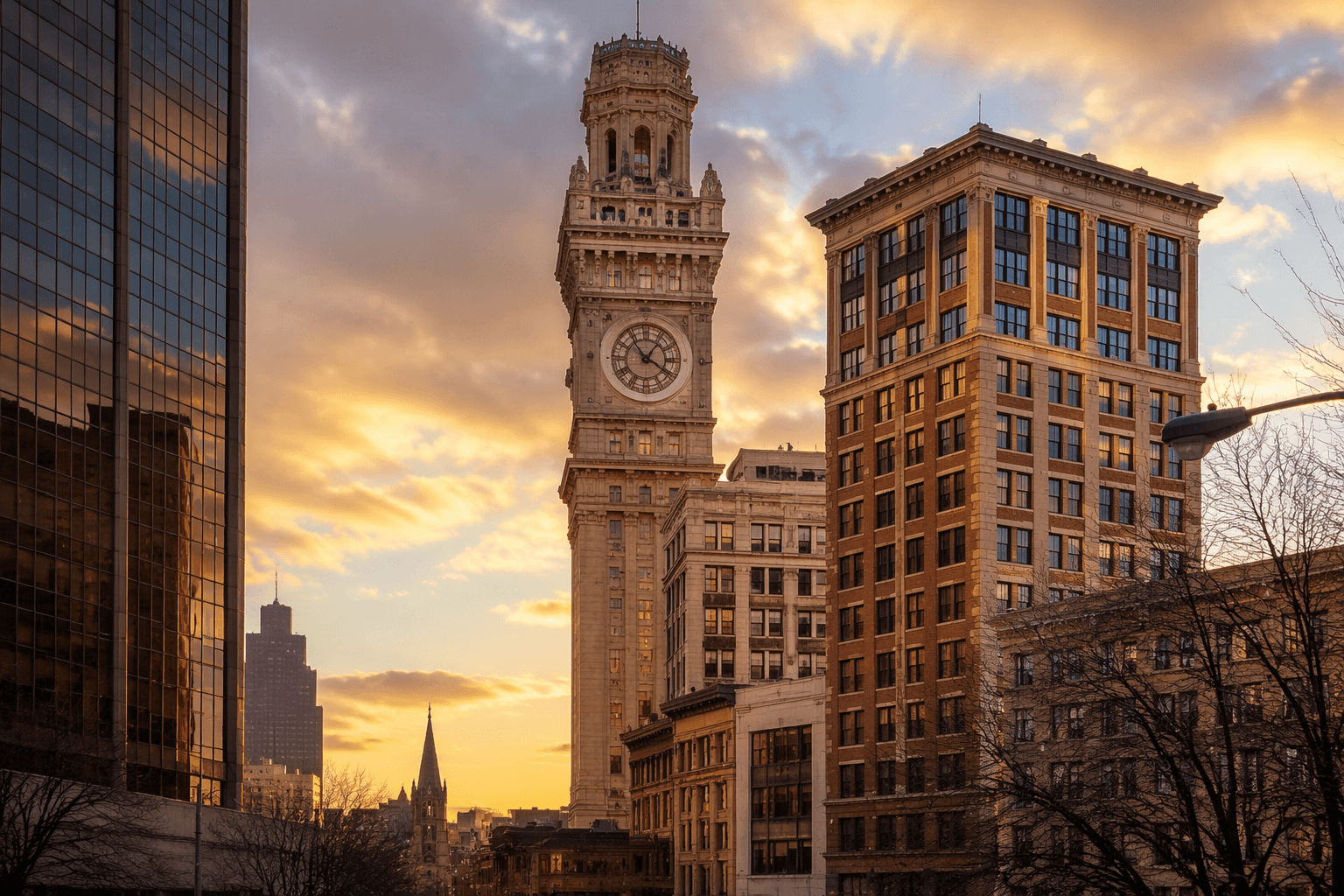
The building itself is the Emerson Bromo-Seltzer Tower, Inventory No. B-38, listed on the National Register of Historic Places on June 4, 1973. Maryland Historical Trust records identify it as a 1911 building designed by Joseph Evans Sperry. The Baltimore Museum of Industry says the 15-story Emerson Tower was the tallest building in Baltimore when it was built in 1911.
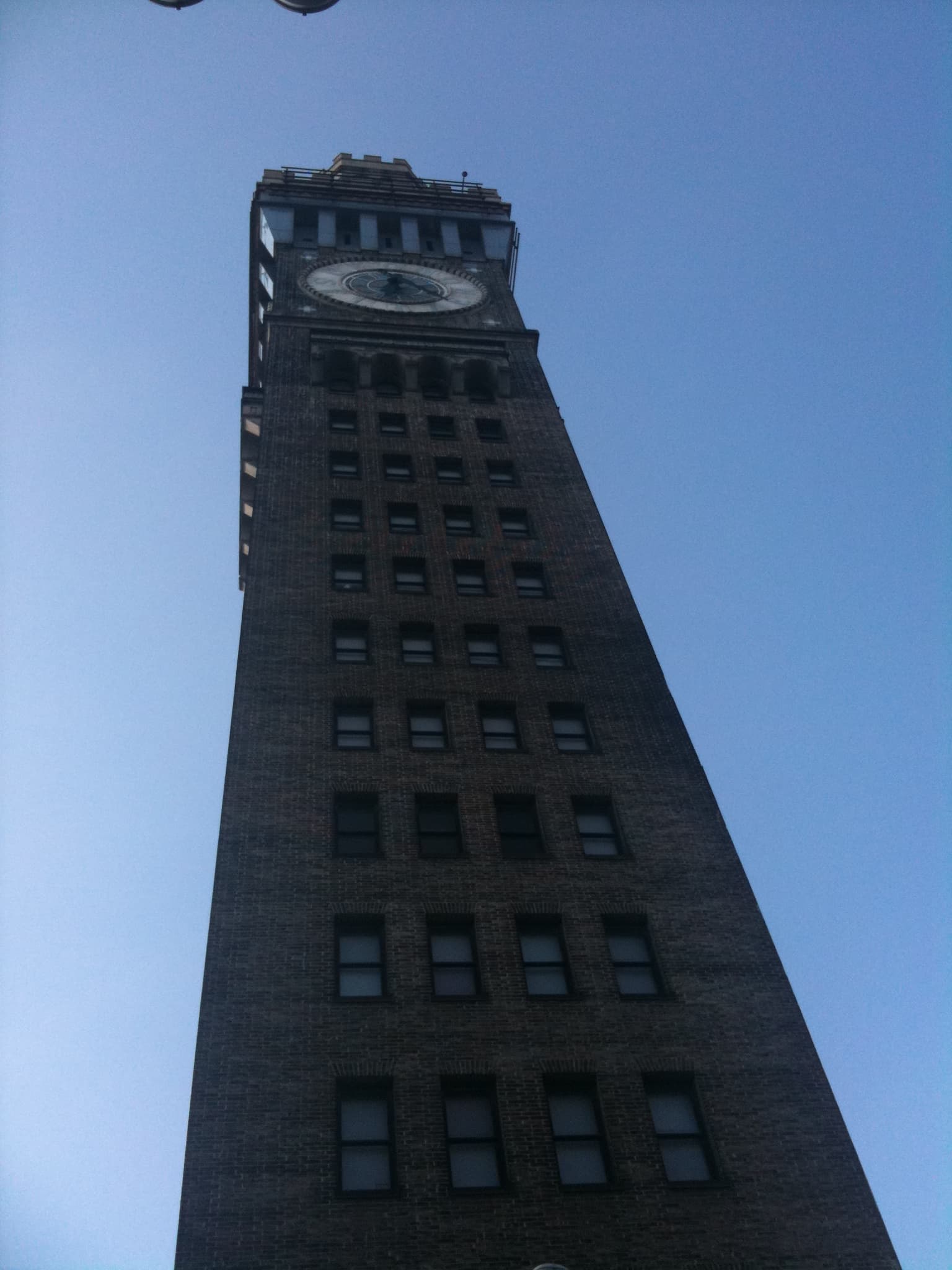
Its design looked to Florence, Italy, drawing inspiration from the Palazzo Vecchio. At one time, the tower was topped by a rotating 20-ton medicine bottle, a reminder of the Bromo-Seltzer branding that made the building famous in the first place. Isaac Emerson, founder of the Emerson Drug Company and inventor of Bromo-Seltzer, was the businessman behind the project.
The building’s current identity as the Bromo Seltzer Arts Tower reflects its 2007 renovation and conversion into studio space. That shift changed the use of the tower without stripping away its history. Instead of standing as a sealed monument, it now functions as a place where Baltimore artists work, show and meet the public in the same vertical space.
Current programming inside the tower
The tower’s events page has highlighted the Emerge Baltimore Exhibition Series in its third year, including the Fall Edition of Emerge Baltimore, Vol. 3, with exhibitions by Sheila Crider, VILLAGER and Shae McCoy. That programming underscores how the building is used not only as a site of preservation, but also as a platform for contemporary work.
That blend of old and new is what makes the Bromo Seltzer Arts Tower unusually useful to the city. It is a landmark with a public schedule, a studio building with regular visitors, and a downtown destination that helps connect history, art and everyday street life on Baltimore’s west side.
This article was produced by Prism’s automated news system from verified source data, official records, and press releases, then run through automated quality and moderation checks before publishing. The system is built and supervised by the people who set the standards it runs under. Read our full AI policy.
Did this article answer your question?