Baltimore's first Black bishop, John Ricard, dies at 86
Baltimore lost its first Black bishop as John H. Ricard died at 86, ending a ministry that reshaped Black Catholic leadership in the archdiocese and beyond.
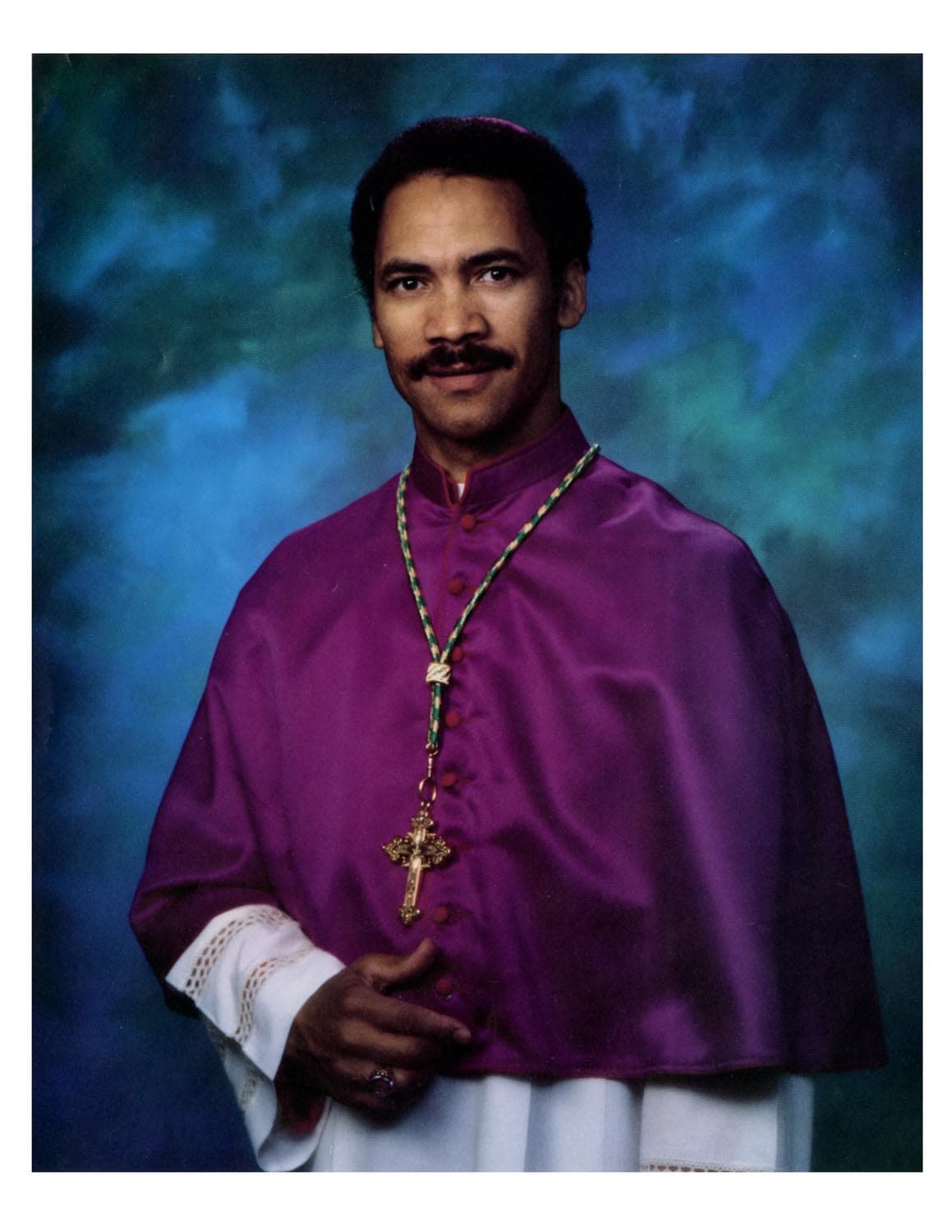
Bishop John H. Ricard, Baltimore’s first Black bishop and a defining figure in Black Catholic leadership, died Wednesday at St. Joseph’s Seminary in Washington, D.C. He was 86. His death closes a ministry that changed who could be seen in authority in the Archdiocese of Baltimore and gave Baltimore-based Black Catholics a national platform for nearly three decades.
Ricard was appointed auxiliary bishop of the Archdiocese of Baltimore by Pope John Paul II in 1984, making him the first African American to hold that office in the archdiocese. He served in Baltimore until 1997, a period that placed him at the center of parish life and diocesan leadership at a time when representation at that level remained rare. Archbishop William E. Lori called his death a “profound loss” and praised Ricard’s grace, humility, joy and public opposition to racism and injustice.

Born Feb. 29, 1940, near Baton Rouge, Louisiana, Ricard was one of eight children of Maceo and Marie Ricard. He entered the Josephites in 1958 and was ordained a priest on May 25, 1968. He later earned a master’s degree from Tulane University in 1970 and a doctorate from The Catholic University of America in 1984, training that underpinned a career that moved between parish ministry, church administration and national advocacy.
In Baltimore, Ricard’s reach extended far beyond the chancery. He led the National Black Catholic Congress from its founding in 1987 until 2017, helping shape a Baltimore-based institution that gave Black Catholics a stronger collective voice in the church. Bishop Roy E. Campbell Jr. said the congress mourns the passing of its longtime former president and faithful leader, and the organization said funeral arrangements would be announced later.
Ricard’s influence also stretched into the Diocese of Pensacola-Tallahassee, where he was appointed bishop in January 1997 and installed on March 13, 1997. There, church leaders credited him with commissioning the Monsignor James Amos Pastoral Center, helping open John Paul II Catholic High School in 2001 and ordaining 19 men to the priesthood. He also helped guide the diocese through Hurricane Ivan in 2004 and was instrumental in developing safe-environment and abuse-reporting policies in the late 1990s and 2000s.
After a severe stroke in December 2009 and other health problems, Ricard retired on March 11, 2011. He remained active in church life, serving as superior general of the Josephites after his election in 2019 and reelection in 2023, and later as a consultant to the U.S. bishops’ Ad Hoc Committee Against Racism. For Baltimore Catholics, his legacy endures in the offices he opened, the institutions he strengthened and the example he set for Black Catholic leadership.
This article was produced by Prism’s automated news system from verified source data, official records, and press releases, then run through automated quality and moderation checks before publishing. The system is built and supervised by the people who set the standards it runs under. Read our full AI policy.
Did this article answer your question?


