Baltimore’s historic Rawlings Conservatory offers year-round garden escapes
Baltimore’s Rawlings Conservatory pairs 1888 history with five greenhouses and a half-acre garden, giving families and seniors an indoor escape in every season.
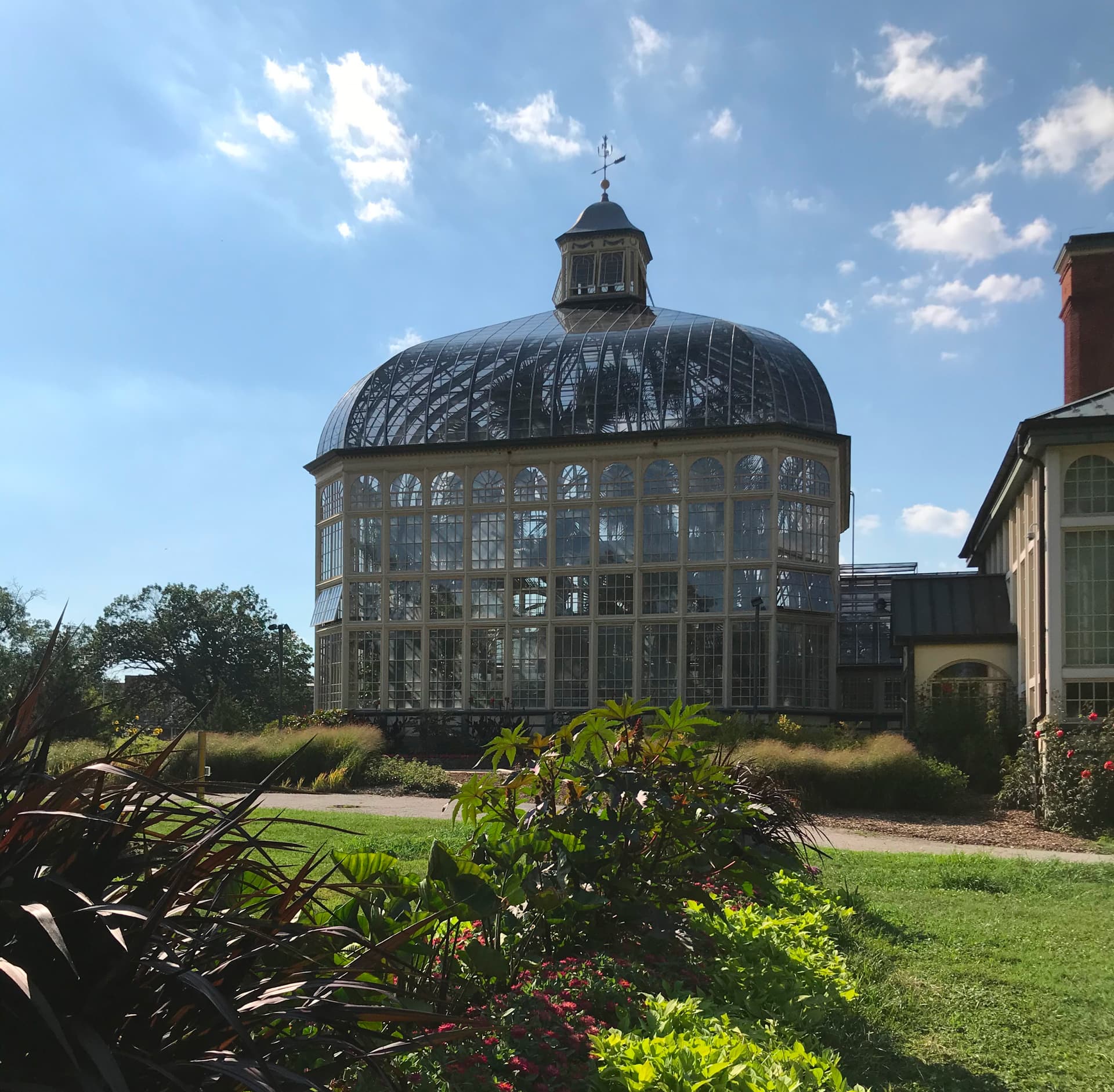
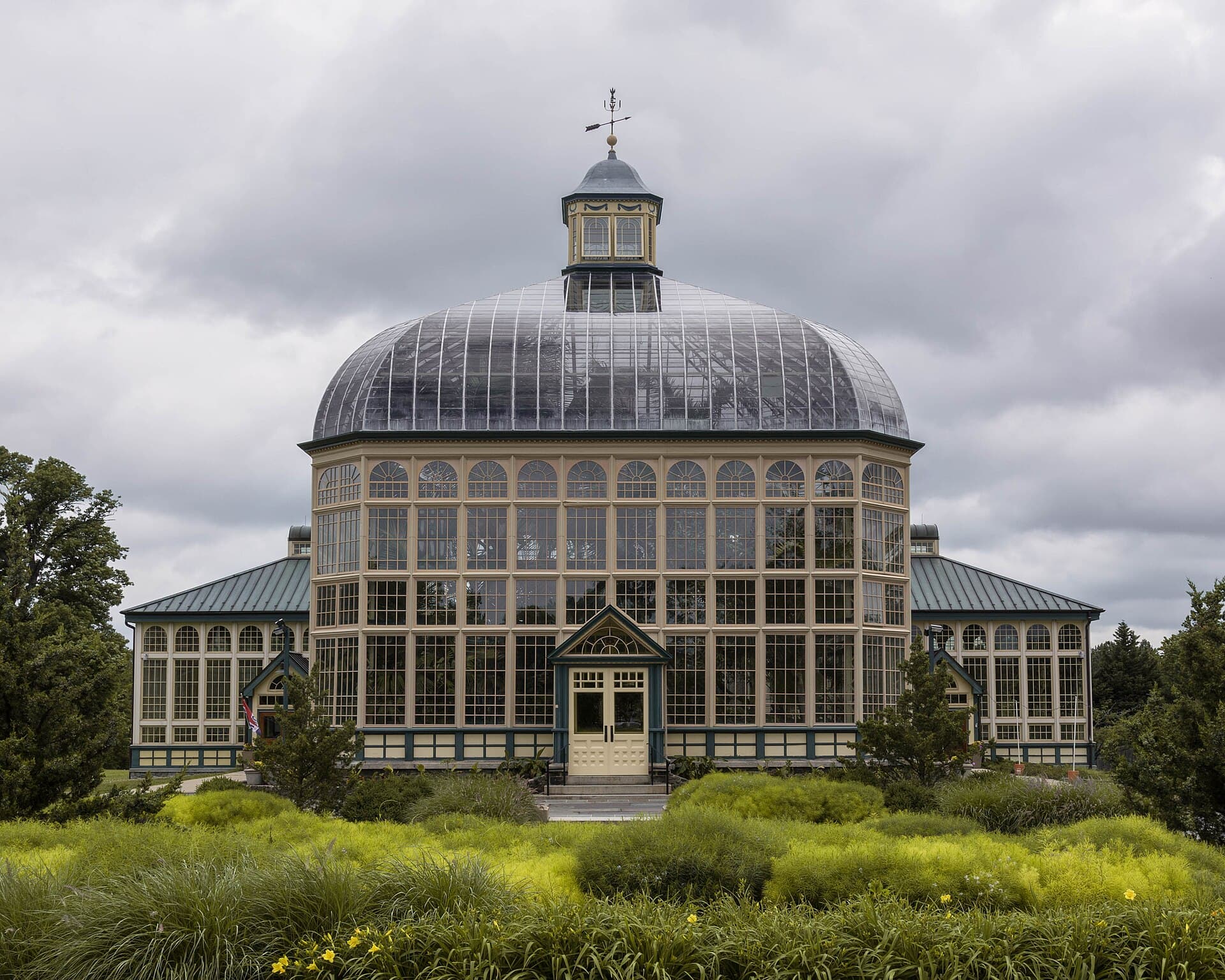
Inside Druid Hill Park, the H.P. Rawlings Conservatory & Botanic Gardens gives Baltimore a rare kind of public amenity: a place where history, plants, and weather-proof recreation meet under glass. Opened in 1888, it is the oldest glass-and-iron-framed conservatory in the United States still in use and open to the public. Its five greenhouses and one-half-acre outdoor garden make it useful in every season, from spring flower walks to winter indoor visits.
A Baltimore landmark with living purpose
The conservatory is one of the city’s most distinctive built spaces because it is not frozen in place as a monument. It is listed in the National Register of Historic Places, a designation it received in 1973, but the building still functions as a public botanical destination rather than a museum you pass through once and leave behind. That mix of preservation and daily use is part of what makes it matter to Baltimore families, seniors, and visitors looking for something close to home that still feels restorative.
Its setting in the Druid Hill Park area adds to that value. The conservatory sits within one of Baltimore’s best-known park landscapes, which means a visit can feel like a shift from city streets into a greener, quieter pocket without leaving town. For residents who want an outing that is both practical and distinctive, it stands apart from the city’s usual indoor recreation options.
What the conservatory actually offers
The official visit page breaks the experience into five distinct greenhouse spaces, and that detail matters because each room can feel like a different micro-environment. The Palm House, the Orchid Room, and the other greenhouse areas give visitors more than a single walk-through; they create a sequence of indoor gardens with different plant collections and atmospheres.
That structure makes the conservatory useful in a way many outdoor attractions are not. A quick visit can still feel satisfying because the rooms are compact, varied, and easy to move through without needing a full day. The one-half-acre outdoor garden adds another layer, with many flower beds that extend the experience beyond the glass. It is not just a greenhouse stop and not just an outdoor garden, but a combination of both.
Why it works in every season
Rawlings Conservatory is especially valuable in Baltimore because weather can limit recreation for long stretches of the year. Late winter cold, summer heat, rain, and windy days can all make parks and playgrounds less comfortable, but the greenhouse collections stay open to visitors throughout the year. That gives families and older adults a dependable place to go when outdoor plans fall apart.
The outdoor gardens have their own season, and the conservatory’s site says they peak from late May through late October. That timing makes the property useful in different ways across the calendar. In spring, it offers flower viewing as the city comes back to life. In summer, it becomes a shaded, plant-filled outing. In fall, it gives Baltimore a place to linger outdoors before the cold sets in. In winter, the greenhouse rooms keep the botanical experience going indoors.
For people planning around mobility, temperature, or time, that year-round flexibility is a major advantage. The conservatory does not ask visitors to choose between being outside and being comfortable. It gives them both options on one site.
A place shaped by architecture and horticulture
Rawlings Conservatory stands out because it merges civic architecture and horticulture in a single destination. The glass-and-iron structure is part of the attraction, but the plant collections are what keep it active. Baltimore has parks, gardens, and historic buildings, yet few places combine all three with the same clarity.
That combination also explains why the site continues to hold meaning for a broad range of visitors. Architecture lovers come for the building’s historic frame. Plant lovers come for the greenhouse rooms and outdoor beds. Casual visitors come because it is one of the city’s easiest places to find a calm indoor-green escape without leaving Baltimore. The result is a destination that feels practical as well as memorable.
How Baltimore uses the space beyond a one-time visit
The conservatory’s public role extends beyond simply opening its doors. The site highlights guided tours, events, and volunteer opportunities, which means it works as a community space as well as a destination for drop-in visits. Those offerings help turn the conservatory into a living part of Baltimore’s park system, not just a scenic stop for photographs.
That matters in a city where public amenities do more than fill time. They create low-barrier places where people can spend an hour, learn something, or return across the seasons. Guided tours can help visitors understand the building’s history and plant collections. Events can give the conservatory a reason to draw regular traffic. Volunteer opportunities keep community members connected to the space over time.
Why it belongs on any Baltimore list
For a city guide, Rawlings Conservatory earns its place because it solves several needs at once. It is historic without being static, indoor without feeling sealed off from nature, and compact enough to work for a short outing while still offering enough variety to reward a longer one. The building’s 1888 origins and its 1973 historic listing give it civic weight, but the five greenhouses, outdoor beds, and year-round plant collections are what make it useful today.
In Druid Hill Park, that combination is hard to beat. Baltimore gets a public garden, a historic landmark, and a dependable all-weather escape in one place, and the conservatory keeps serving all three roles at once.
This article was produced by Prism’s automated news system from verified source data, official records, and press releases, then run through automated quality and moderation checks before publishing. The system is built and supervised by the people who set the standards it runs under. Read our full AI policy.
Did this article answer your question?