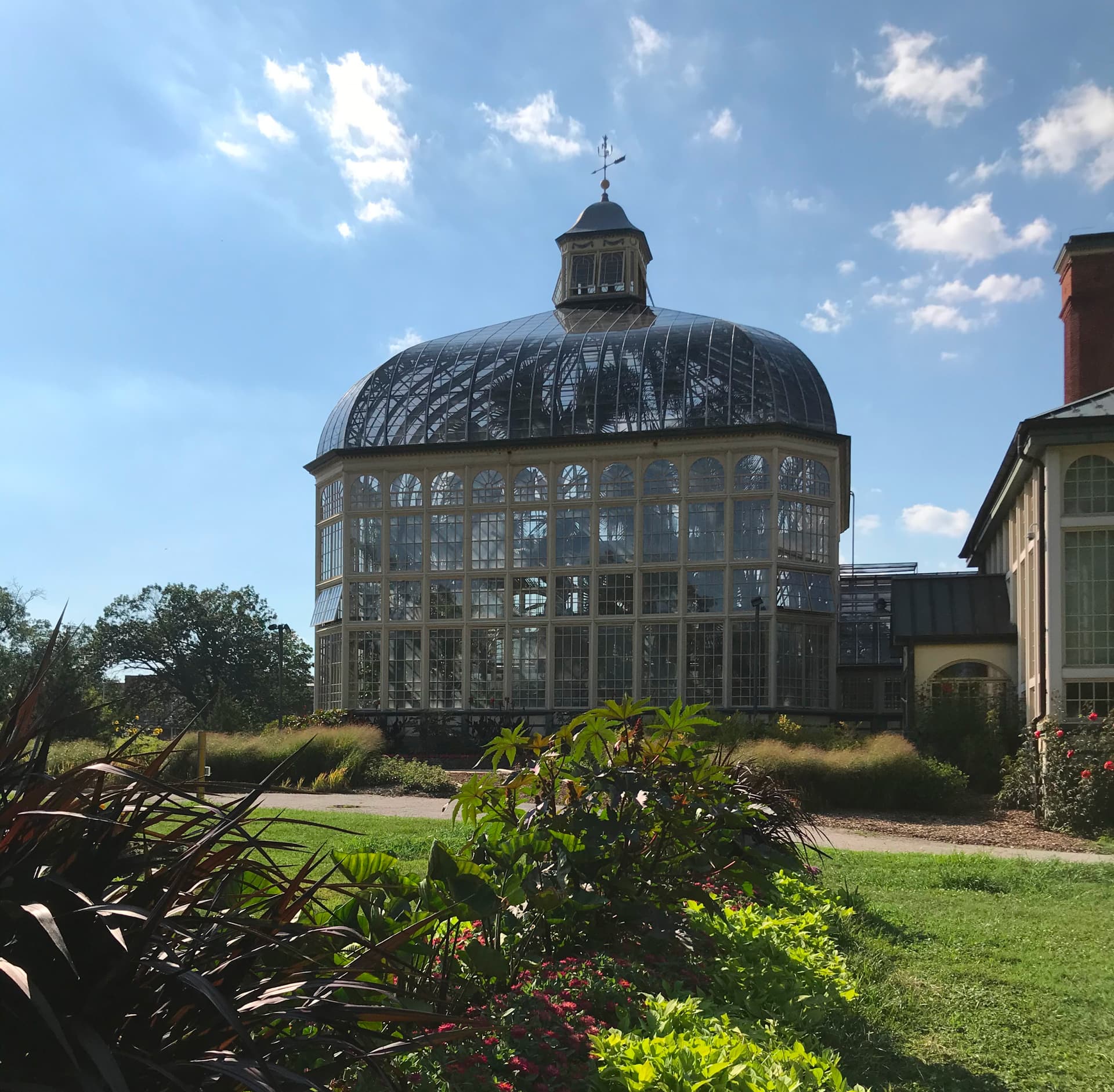
Fort McHenry’s wartime roots shaped Baltimore’s harbor defense, national identity
Fort McHenry is where Baltimore’s harbor defense became a national symbol, and where a park at Locust Point still anchors tourism, memory, and the city’s self-image.
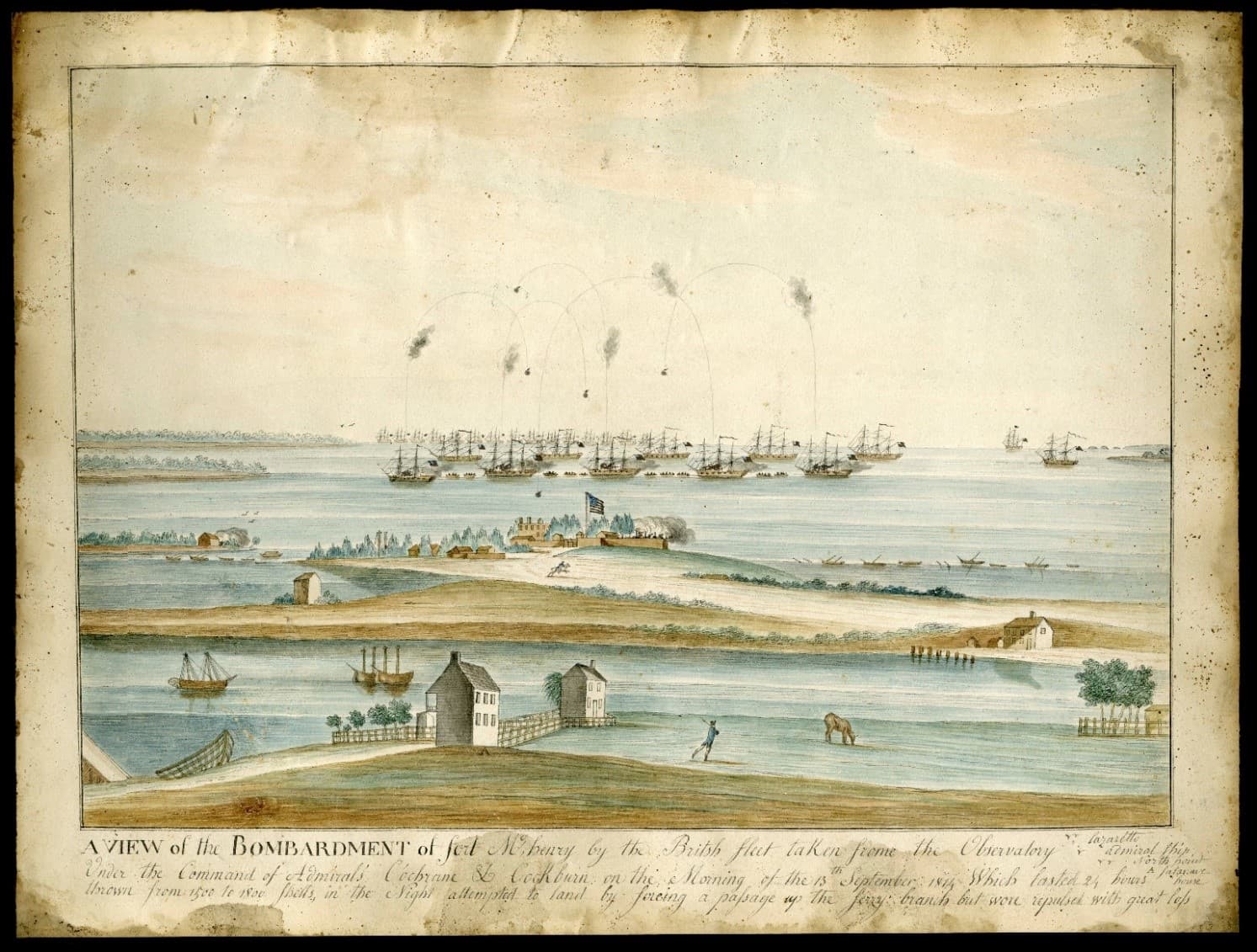
Fort McHenry sits at the point where Baltimore’s harbor defense, wartime history, and civic identity all converge. Built for a vulnerable port city and later preserved as Fort McHenry National Monument and Historic Shrine, the site now draws hundreds of thousands of visitors and sends millions of tourism dollars through Maryland’s economy.
A fort built for a vulnerable harbor
Baltimore was not just a waterfront city in the early republic, it was a strategic target, and Fort McHenry was part of the answer. The National Park Service traces the fort’s origins to harbor defenses built in response to wartime threats during the War of 1812 era, when the city strengthened the waterfront as a fortified line of defense.
The fort was built in 1798 and named for James McHenry, who served as secretary of war under Presidents George Washington and John Adams. Maryland Historical Trust records put the site at Fort Avenue and Locust Point in Baltimore City and identify the construction period as beginning in 1794, a reminder that the fort’s story starts before the famous bombardment that made it a symbol.
That geography still matters. Fort McHenry overlooks the working edge of the harbor rather than a detached museum district, which is why the place reads as part of Baltimore’s maritime infrastructure as much as its heritage trail.
The bombardment that made the flag story stick
The Battle of Baltimore transformed Fort McHenry from a military outpost into a national symbol. National Park Service teaching materials say the British bombardment lasted more than 24 hours, with Francis Scott Key watching the attack from a ship in Baltimore Harbor as the fort held.
That moment became the basis for Key’s poem, later known as “The Star-Spangled Banner,” but the fort’s meaning does not begin and end with the flag. Baltimore’s harbor defense was the larger story: a commercial port protecting shipping, trade, and residents from naval attack, with Fort McHenry serving as the most recognizable piece of a broader defensive system.
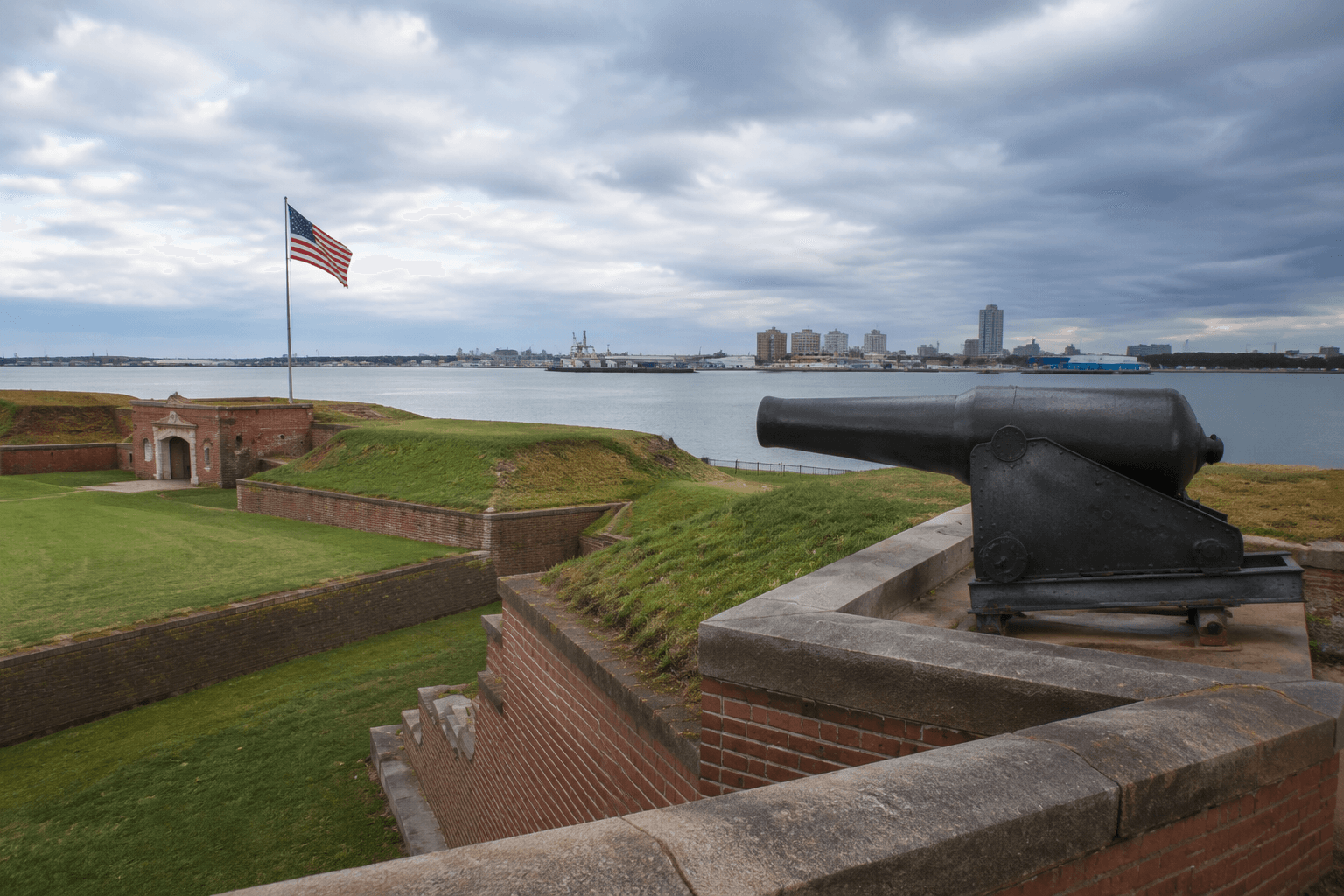
That wider context is what gives the site its staying power. The fort is not simply the place where one famous poem was inspired; it is the physical reminder of how Baltimore understood itself as a port city that had to defend the waterfront to keep commerce moving.
A preserved site with a civic role
Today the fort is operated by the National Park Service as Fort McHenry National Monument and Historic Shrine, a designation that captures both its military past and its public role. The site was listed on the National Register of Historic Places on October 15, 1966, under inventory number B-8, formalizing its place in the city’s built heritage.
That preservation matters in a city where the harbor has been remade many times over. Fort McHenry’s position at Locust Point keeps it connected to Baltimore’s working waterfront and to the city’s larger visitor economy, with the Inner Harbor just a short reach away in the public imagination and on the tourist map.
The park also functions as a civic memory site, especially through Defenders Day observances. Baltimore has turned the fort into a place where the city’s wartime story is staged, remembered, and reintroduced to new generations, not as a distant lesson but as a local landmark with a direct line to the harbor.
What the visitor economy says about the fort’s place in Baltimore
The numbers show that Fort McHenry remains more than symbolic. National Park Service materials put annual visitation at roughly 500,000, while a fiscal year 2024 infrastructure fact sheet lists about 430,000 visitors and estimates $43 million in economic output for Maryland.
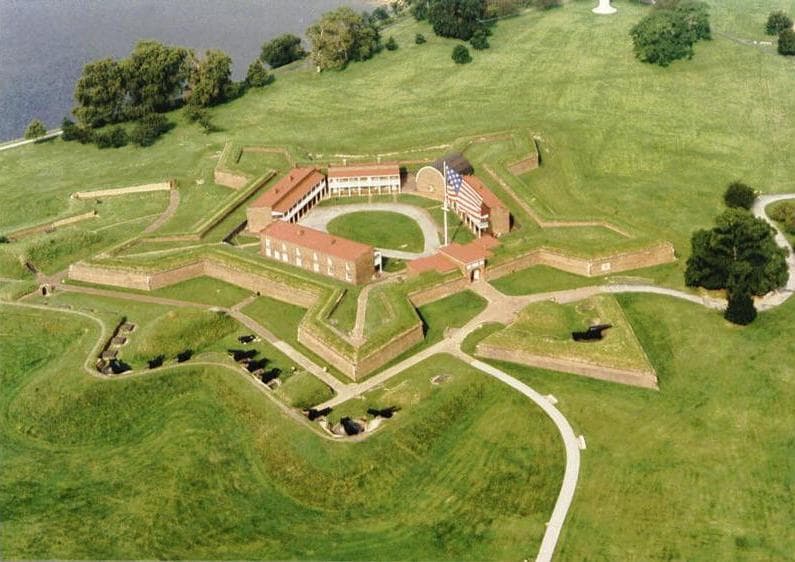
A separate National Park Service release says tourism to Fort McHenry contributes $38.6 million to the local economy. Those figures place the fort firmly inside Baltimore’s visitor economy, where history is not just preserved but actively monetized through admissions, nearby spending, and repeat traffic from residents, families, and school groups.
That kind of use matters in a city that markets itself through place. Fort McHenry is one of the clearest examples of Baltimore selling its own story through geography, with the fort’s ramparts, harbor views, and flag lore packaged into a recognizable civic brand that still has economic weight.
The story beyond Francis Scott Key
The fort’s history also broadens when you look past the most famous name attached to it. A Maryland archival field guide identifies William Williams, a 21-year-old runaway slave laborer, as a private in the U.S. Infantry at Fort McHenry, a detail that widens the story beyond Key and underlines the role of Black servicemen in the fort’s wartime world.
That matters because the site’s public meaning has often been simplified into a single patriotic tableau. The fuller record shows labor, military service, enslavement, and freedom all in the same place, which makes Fort McHenry a stronger civic landmark than a one-line flag story can capture.
Baltimore continues to market the fort as a place of national memory, but its real power is local: it sits on the shoreline where the city defended itself, built its identity, and then turned that defense into a public monument. That is why Fort McHenry remains one of Baltimore’s most legible places, a harbor fort that still explains how the city saw itself, and how it still presents itself, to everyone who comes to the water.
This article was produced by Prism’s automated news system from verified source data, official records, and press releases, then run through automated quality and moderation checks before publishing. The system is built and supervised by the people who set the standards it runs under. Read our full AI policy.
Did this article answer your question?