Baltimore’s public markets anchor neighborhoods, food access and civic life
Baltimore’s six city-owned markets still bring groceries, meals and foot traffic into neighborhoods, but Lexington Market’s rebuild shows the system needs steady reinvestment.
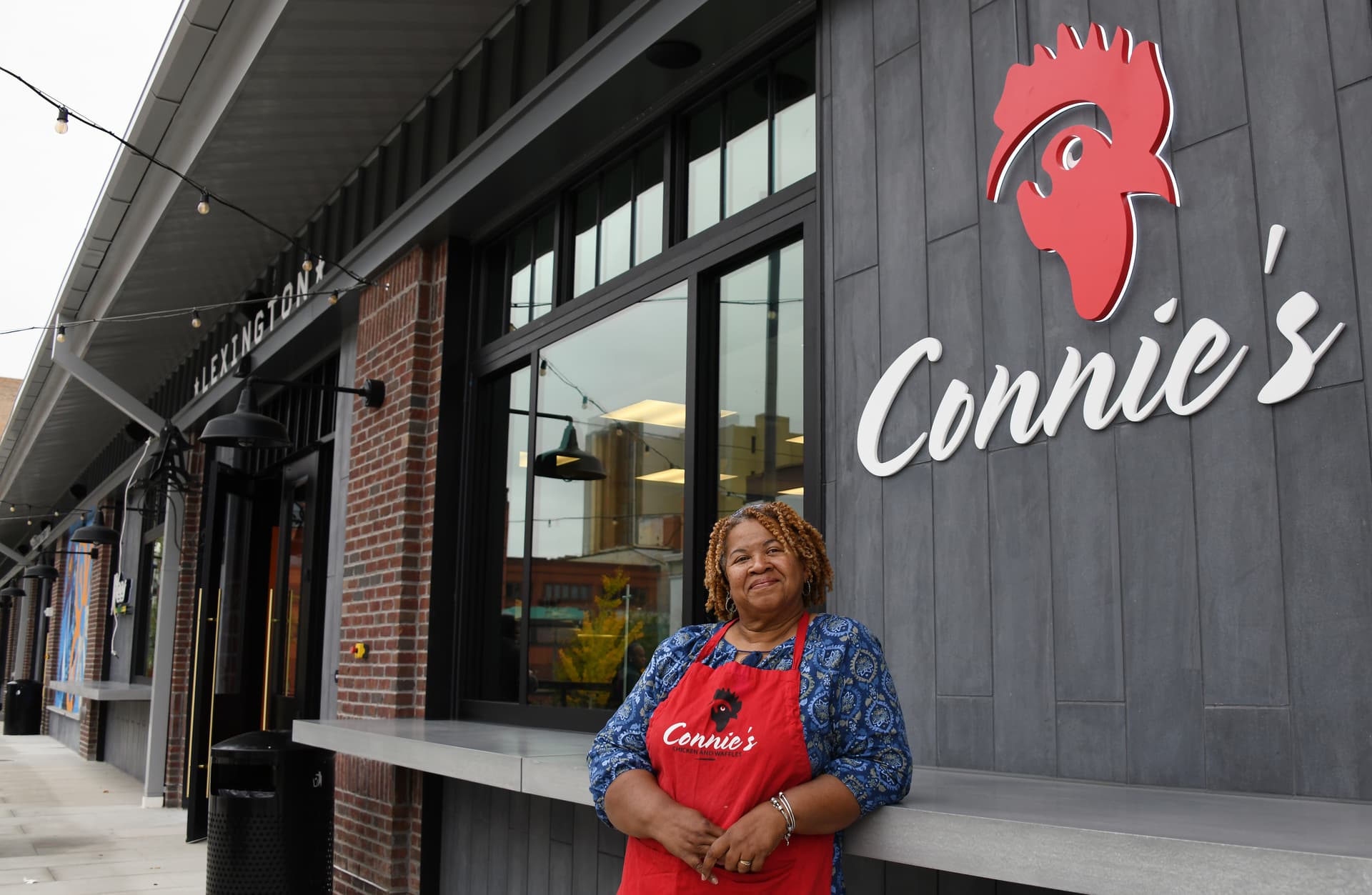
Baltimore’s public markets are one of the city’s few neighborhood systems that still sell groceries, lunch and a place to linger under one roof. Six city-owned markets, run through nonprofit stewardship, tie food access to small-business survival in places that have watched other indoor gathering spaces fade away.
A city system built for daily life
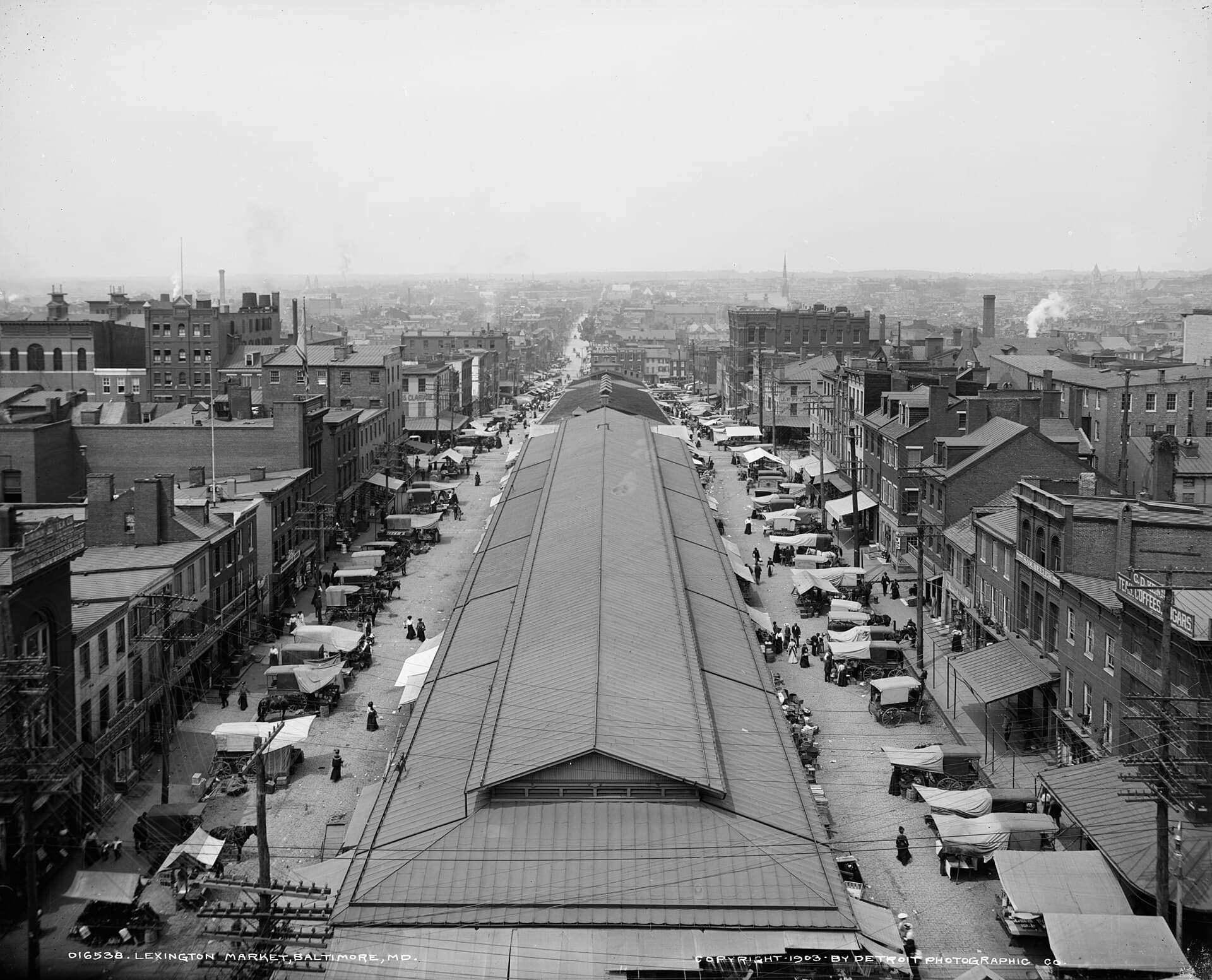
Baltimore Public Markets says its network is the oldest continuously operating public market system in the United States. Lexington Market’s own story says the system spans six city-owned markets across Baltimore City, while the city says those markets are administered by nonprofit organizations, including Lexington Market, Incorporated and Baltimore Public Markets Corporation. That legal and operating structure matters: these are public institutions, but they depend on merchant tenants, nonprofit management and city support to keep moving.
Baltimore Public Markets describes the network as “5 markets, 1 system,” a useful shorthand for how the places work now. They are not just food halls with a local brand. They are still part of the city’s basic retail infrastructure, supplying fresh foods to the communities they serve and giving small vendors a durable storefront in neighborhoods where full-service options can be thin or distant.
Markets that still map the city
The surviving markets read like a compressed history of Baltimore itself. Broadway Market dates to 1786 and was one of the first public markets in the city. Baltimore Public Markets says the old market yards once had stalls, barns and a weighing platform, a reminder that farmers brought livestock and produce into town by wagon, boat and ferry long before modern logistics turned food distribution into a warehouse business.
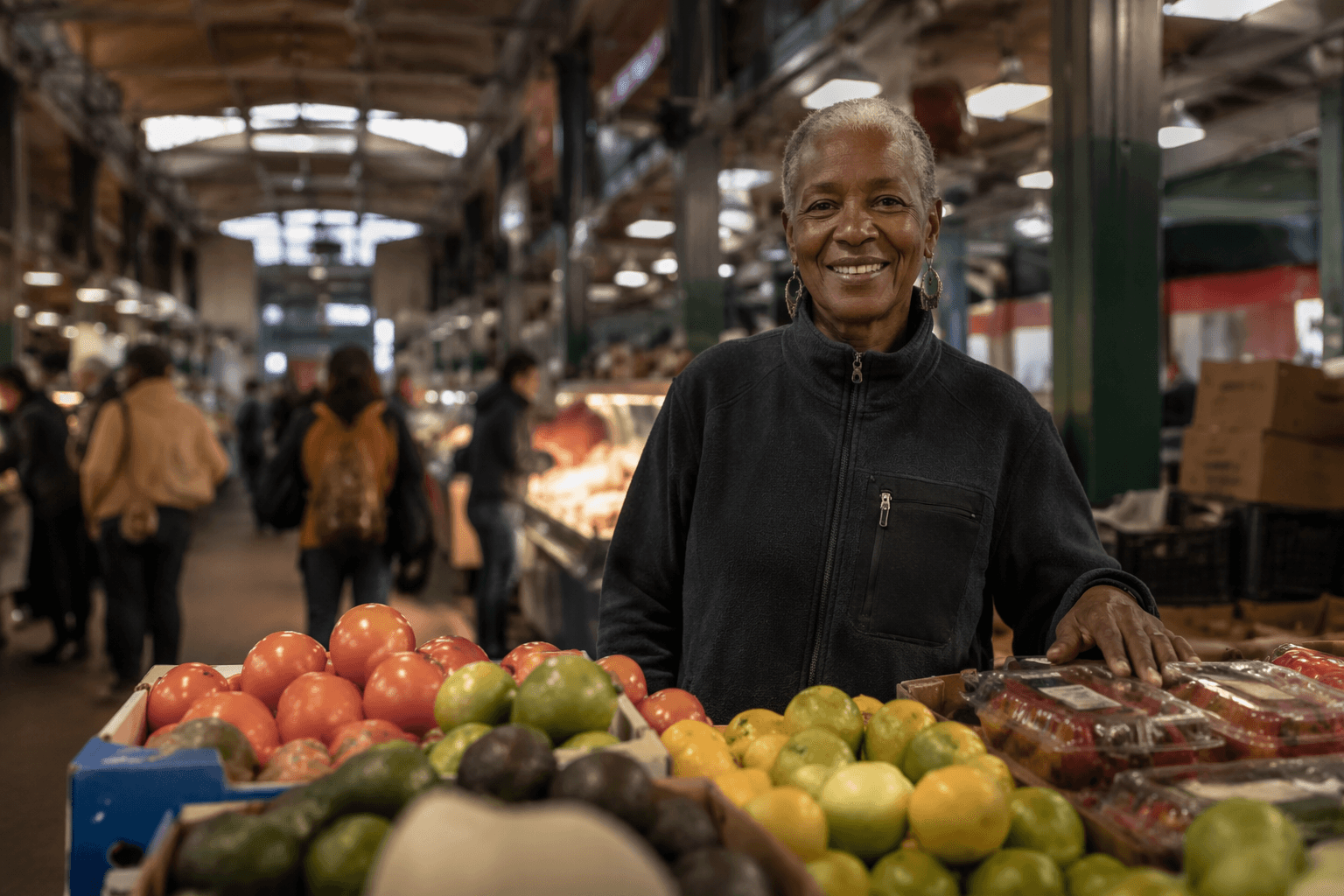
Hollins Market has continuously served Southwest Baltimore since 1836, which is a rare kind of continuity in a city that has seen repeated waves of demolition, rebuilding and commercial churn. The Avenue Market opened in 1871, survived a 1953 fire, operated in a temporary shed and reopened in 1957 across the street. Those details matter because they show the market system as something more than a preserved facade. It has repeatedly adapted to fire, loss and relocation without disappearing.
Baltimore Heritage adds a broader frame: the city’s public markets have had a long and sometimes controversial history, and at one point 11 markets operated across Baltimore City. That loss helps explain why the current system feels so important. The remaining markets are not ornamental leftovers. They are what is still standing after a much larger urban food network was pared back over time.
Lexington Market is the clearest stress test
Lexington Market is where the system’s promise and strain are easiest to see. After a $45 million redevelopment, the market reopened in January 2023 in a new 60,000-square-foot building with a public plaza. State agencies invested more than $12 million in the project through four programs, and the new market returned more than 40 leased merchant spaces to downtown Baltimore.
The merchant mix was intentionally reshaped. Officials said the reopened market pushed Black-owned business representation above 50 percent and women-owned business representation above 50 percent among the new merchants. That is not a symbolic detail. It means the city and state used redevelopment dollars to change who gets access to one of Baltimore’s most visible commercial addresses.
Baltimore City also approved $4.9 million in ARPA funds in 2022 to support Lexington Market vendors and help minority businesses sit at the center of the downtown economy. The market’s rebuilt plaza, meanwhile, gives downtown another public space that can host people even when they are not there to shop. The Municipal Art Society of Baltimore City notes that the plaza includes large-scale public artworks, which adds a civic layer to what might otherwise have been treated as a purely retail project.
Gov. Wes Moore and other state leaders framed the reopening as a long-term commitment to keeping Lexington Market alive as a place for merchants, residents and visitors. That framing reflects the broader policy bet behind the project: if Baltimore wants downtown and neighborhood markets to function as real community infrastructure, they need capital investment, not just nostalgia.
Why the model still works in neighborhoods
The strongest case for Baltimore’s markets is practical. They compress several household needs into one stop: fresh food, prepared meals, specialty items, small-business services and a public room where people can run into neighbors. That combination is hard for supermarkets or food halls to replicate in the same way, especially in older neighborhoods where transit access, walkability and everyday errands still shape how people shop.
The markets also support a different kind of local economy. A vendor at Broadway, Hollins, The Avenue or Northeast Market is not just renting a stall. That business is entering a system that has already survived fires, closures, relocations and major shifts in retail. The result is a commercial ecosystem that can still offer entry-level ownership opportunities and visible street-level commerce in places that might otherwise be dominated by chain stores or empty retail space.
The surviving markets matter because they keep Baltimore’s old public-market model working in the present tense. Broadway Market recalls the city’s earliest food trade, Hollins Market shows uninterrupted service in Southwest Baltimore, The Avenue Market shows adaptation after disaster, and Lexington Market shows what it takes to modernize an aging public asset without losing its public purpose. Together, they remain one of Baltimore’s most durable neighborhood systems, still selling food, still anchoring streets and still proving that civic history can function as everyday infrastructure.
This article was produced by Prism’s automated news system from verified source data, official records, and press releases, then run through automated quality and moderation checks before publishing. The system is built and supervised by the people who set the standards it runs under. Read our full AI policy.
Did this article answer your question?


