Bankruptcy judge keeps Baltimore Archdiocese settlement plans alive for now
A Baltimore bankruptcy judge kept two competing Archdiocese settlement plans alive, leaving survivors waiting as the fight over a $246 million to $441.3 million pool continues.

A federal bankruptcy judge in Baltimore kept the Archdiocese of Baltimore’s settlement fight moving, but survivors still left court without a final answer on how much money will be available or who will control the path to payment. The hearing left both the church’s proposal and a competing creditors plan on the table, a sign that the case remains stuck on the most important question for survivors: how much compensation is actually in play.
Church officials say their current plan totals at least $246 million. That figure includes nearly $44 million from the archdiocese itself, more than $17 million from parishes and other entities, and the rest from insurers. Survivors and their lawyers say the real value available to settle claims is lower. A competing creditors plan would push the archdiocese to pay $441.3 million and would treat parishes and schools as part of the same church entity, a distinction that could greatly affect what assets are counted in any final deal.
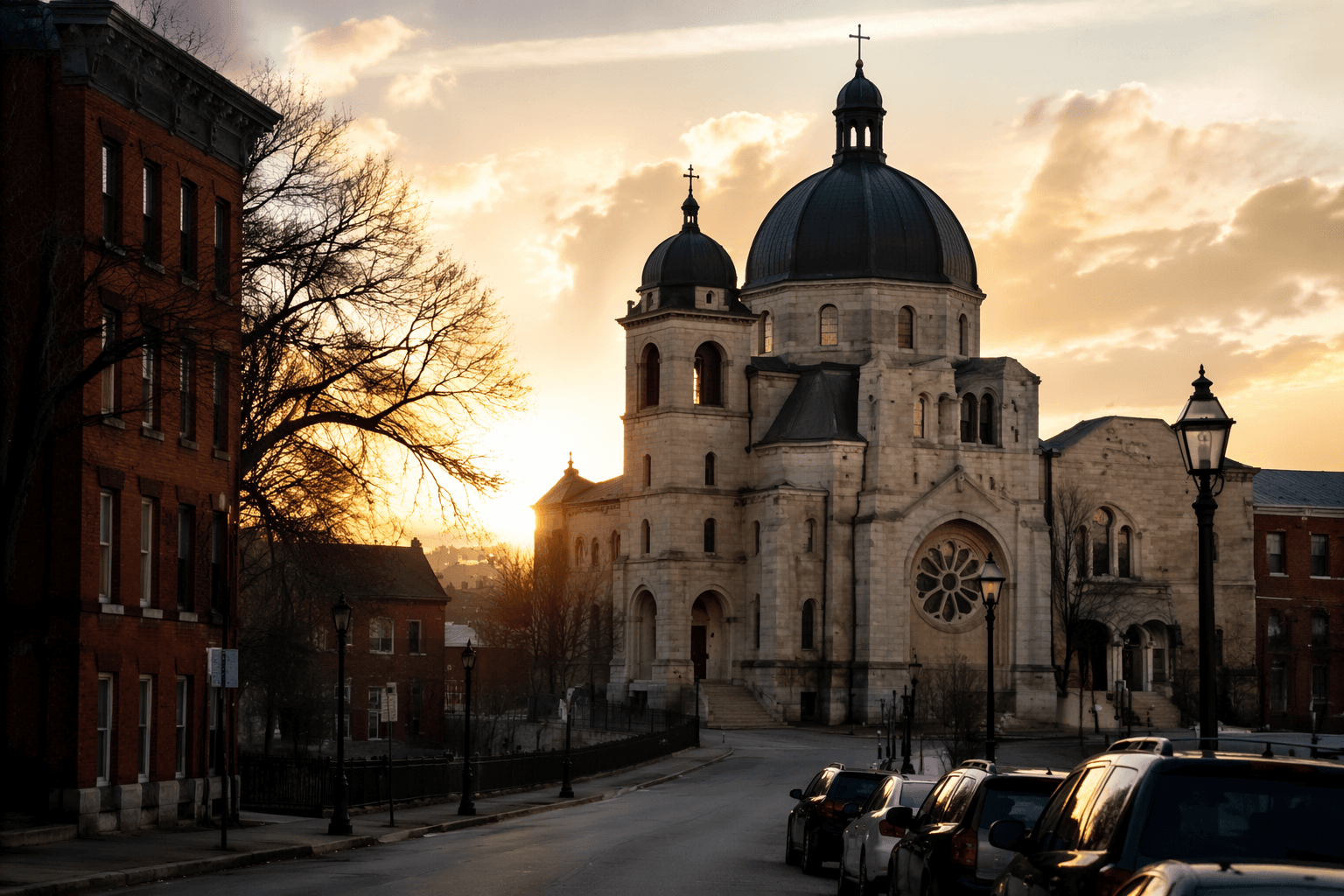
The judge did not approve either proposal on Monday, and instead kept both alive while pressing the sides to figure out how to consolidate them. Attorneys were told they would likely be back in her courtroom on summer Mondays until the matter is sorted out. That push matters because the structure of the final plan will determine not just the size of the compensation pool, but also whether parish and school assets remain separate or get folded into the broader case.
The case is being watched closely because the parties want a resolution by September, yet they still cannot agree on the route to get there. A church spokesperson said the archdiocese believes its proposed plan can be confirmed under Chapter 11, while also saying an agreement accepted by all sides would be the best way forward. For survivors, the delay means more waiting in a process one survivor described bluntly as “brutal.”
For Baltimore, the stakes reach far beyond court filings. The outcome will shape how hundreds of claims are resolved, how much cash or insurance money actually reaches survivors, and whether parish, school, and other church-owned assets help define the final settlement. The judge’s decision kept the case alive, but it also made clear that the fight over value, leverage, and accountability is still far from over.
This article was produced by Prism’s automated news system from verified source data, official records, and press releases, then run through automated quality and moderation checks before publishing. The system is built and supervised by the people who set the standards it runs under. Read our full AI policy.
Did this article answer your question?


