BARCS pauses dog intake, adoptions after possible parvo exposure
BARCS halted dog intake, adoptions and foster placements after several impounded dogs tested positive for parvo, leaving found-dog drop-offs in limbo across Baltimore.
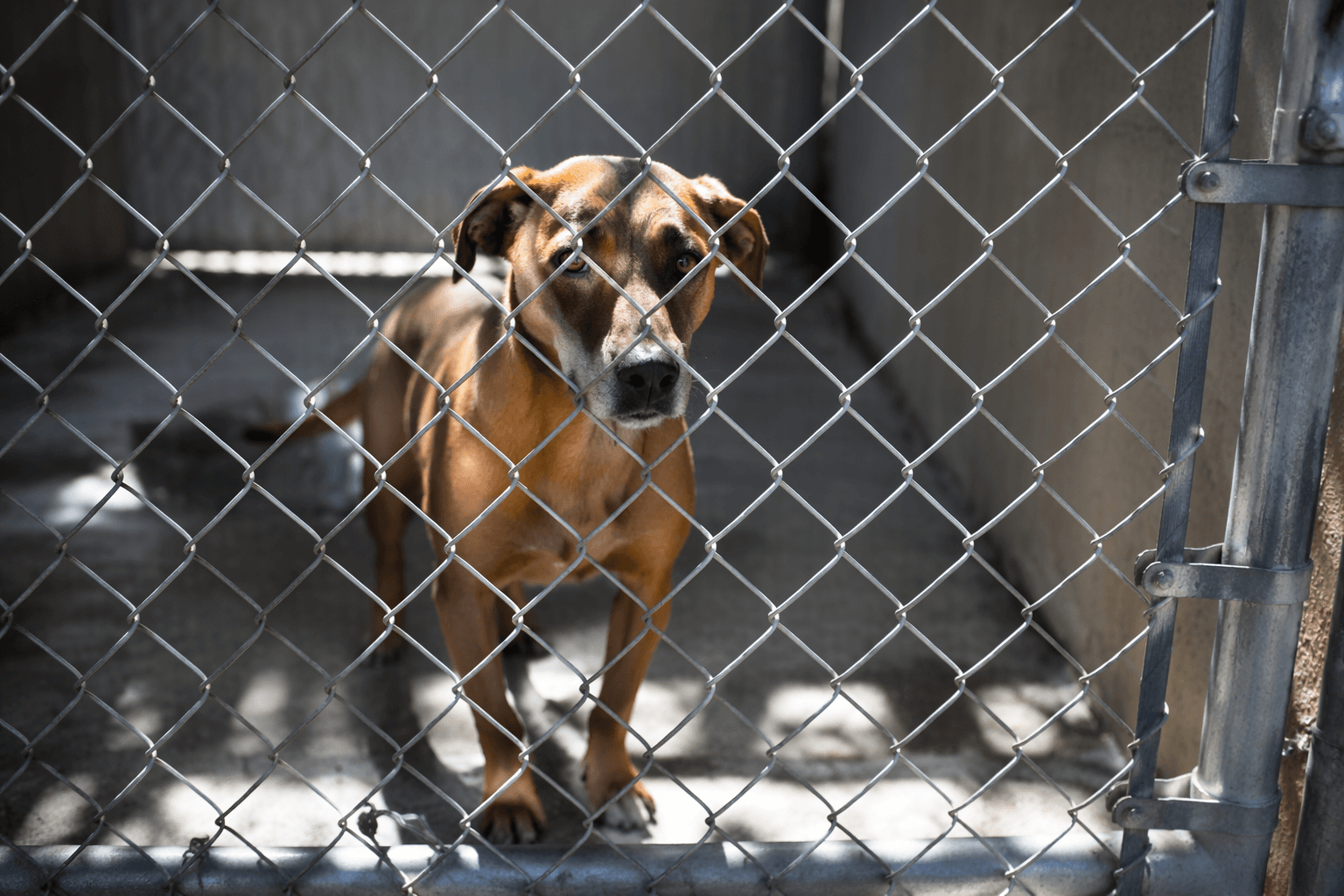
BARCS shut down all dog intake, adoptions and foster placements after several dogs from a Baltimore City Animal Control impound case tested positive for parvovirus, a move that immediately disrupted one of Baltimore’s main animal-service pipelines. The shelter said the dogs had appeared healthy when they arrived, then began showing symptoms nearly a week later, forcing staff to treat the episode as a possible wider exposure inside the building.
The closure matters far beyond the shelter’s kennel doors. BARCS is Baltimore City’s open-admission shelter and the largest animal shelter and pet adoption center in Maryland, and Baltimore City Animal Control turns animals it picks up over to BARCS to find owners or place adoptable pets. City Animal Control operates around the clock, receives about 65 calls a day and handles roughly 22,000 complaints a year, making BARCS a critical pressure point when stray, impounded or surrendered dogs have nowhere else to go.
BARCS said parvovirus can incubate for up to two weeks, which is why the shelter imposed a precautionary period while its veterinary team worked to determine the scope of potential exposure and tighten disease-control measures. Dogs that tested positive were moved into isolation and are receiving intensive medical care. Within hours of confirming the cases, BARCS said it had already incurred nearly $10,000 in emergency medical costs for testing supplies, medications, cleaning products and other urgent resources.
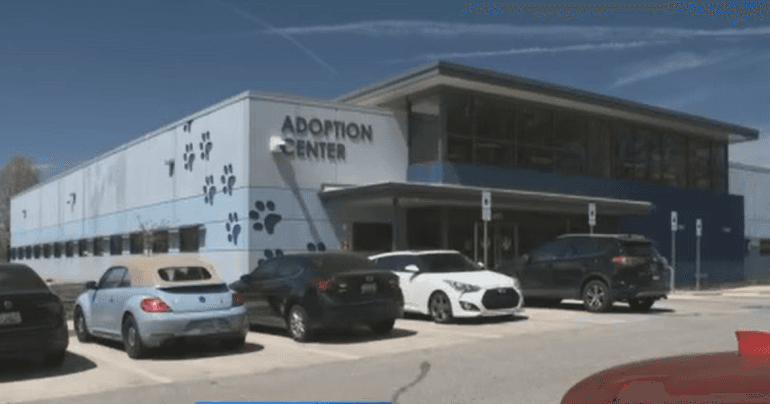
The shutdown is also freezing normal exit routes for animals that would usually leave the shelter quickly through adoption or foster placement. BARCS said its foster program is especially important for puppies under eight weeks old, very sick or injured animals and pets that need extra socialization or training. The shelter said it is often out of kennel space and needs room for 30 to 35 new animals each day, a number that shows how quickly a pause like this can strain the city’s intake system.
During the outbreak, BARCS said it would continue cat adoptions and cat fostering. It also urged residents not to bring found dogs directly to the shelter because doing so could create a significant risk while the virus is being contained. The episode echoed January 2025, when BARCS temporarily suspended dog intakes during a rise in Canine Infectious Respiratory Disease Complex and Baltimore County Animal Services took in non-emergency dogs from the city.
This article was produced by Prism’s automated news system from verified source data, official records, and press releases, then run through automated quality and moderation checks before publishing. The system is built and supervised by the people who set the standards it runs under. Read our full AI policy.
Did this article answer your question?


