Blue Water Baltimore report says Inner Harbor water quality is declining
Blue Water Baltimore found stronger oxygen levels but a worse algae signal, a contradiction that leaves the Inner Harbor cleaner in one measure and more stressed in another.
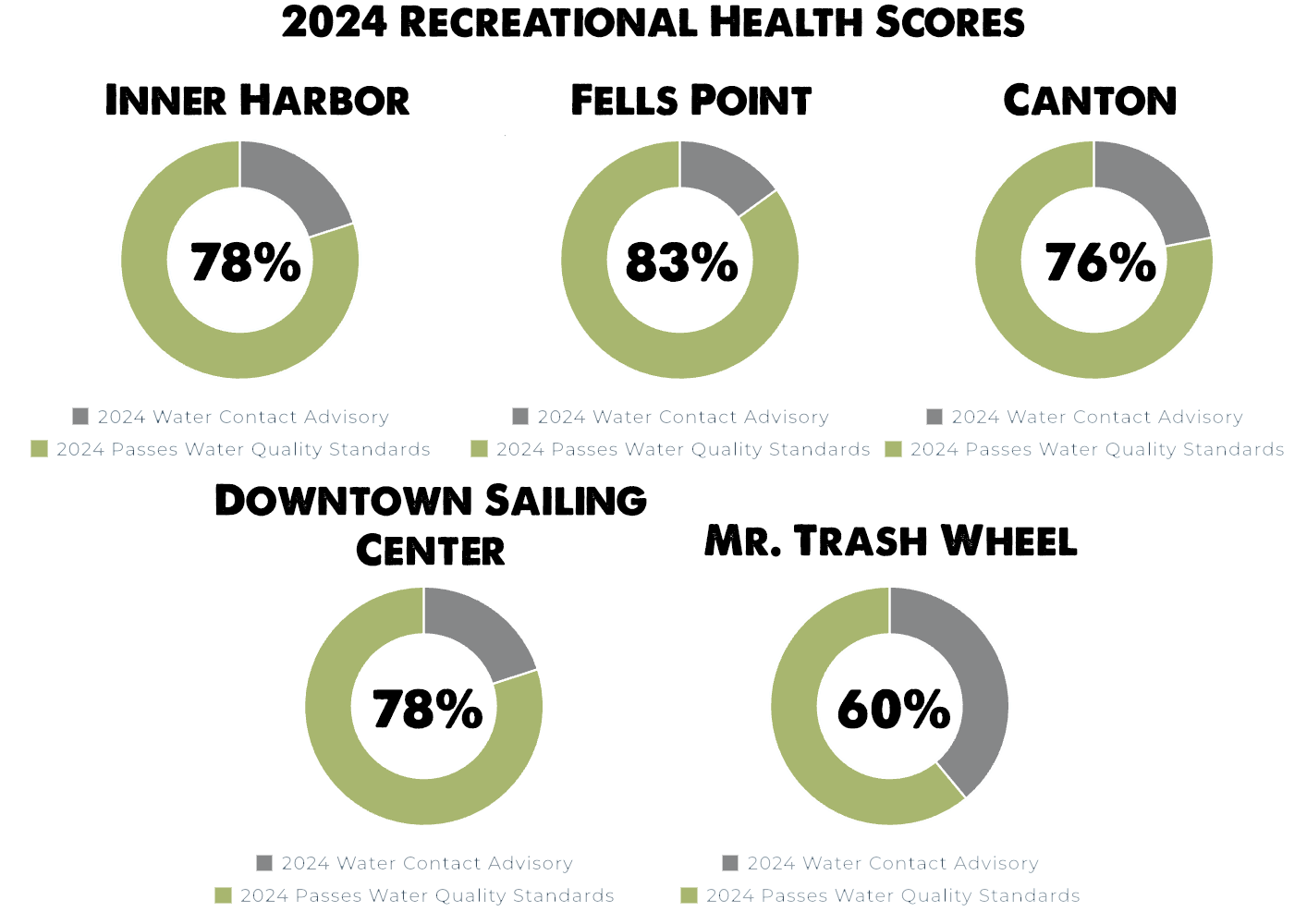
For people who boat, fish, kayak, or walk the Inner Harbor, the latest water data says Baltimore’s waterfront still is not moving in one direction. Blue Water Baltimore found poor-to-fair water quality from downtown to Middle Branch, even as dissolved oxygen earned an A for the first time in the report’s history.
That split matters because the harbor’s surface can look like progress while deeper ecological trouble persists. Blue Water Baltimore warned that phosphorus concentrations are on track to deplete the harbor ecosystem in the years ahead, a troubling sign for water that depends on balanced nutrients to avoid runaway algae growth and low-oxygen conditions.
The nonprofit’s 2025 Water Quality Data Report marked its fifteenth season of data collection and analysis. Since 2013, Blue Water Baltimore says it has built a long-term dataset with more than 193,000 individual data points from 51 monitoring stations across the Baltimore region, a record now used by academic institutions, state regulators, local lawmakers, and the public.
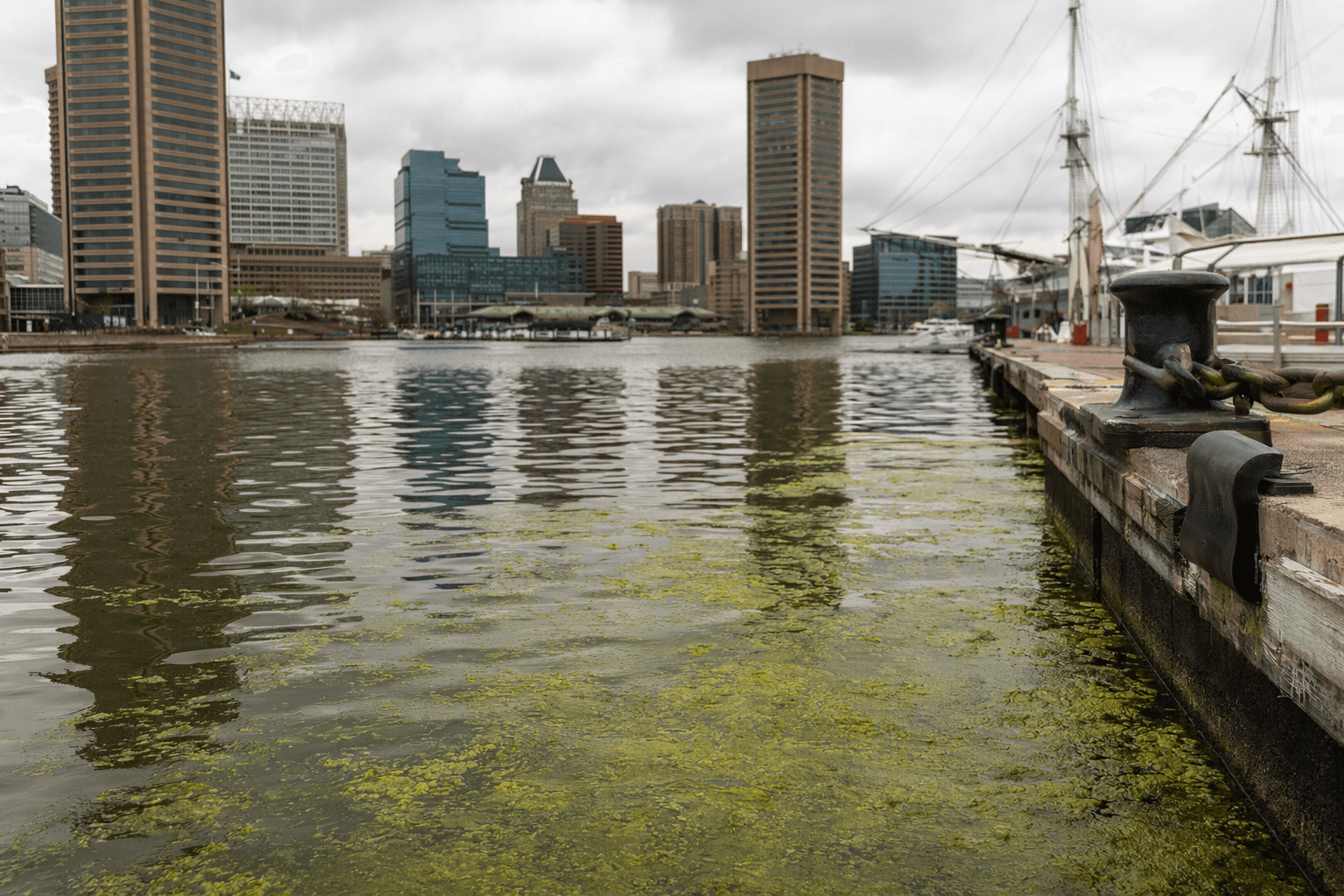
The report also captured the most surprising contradiction in this year’s numbers. Dissolved oxygen improved, but chlorophyll fell to a D, its lowest grade since 2010. Chlorophyll is a key marker for algae growth, and Blue Water Baltimore said stormwater runoff and wastewater continue to send nutrients into the harbor, fueling blooms that can block sunlight and reduce oxygen.
That tension runs through Baltimore’s broader harbor cleanup effort. Waterfront Partnership of Baltimore said the improvement in dissolved oxygen reflects infrastructure upgrades and nutrient-reduction work across the region. Its Healthy Harbor Initiative, launched in 2010, monitors bacteria at five harbor sites five days a week during the recreation season, underscoring the difference between recreational water quality and ecosystem health.
The 2025 Healthy Harbor report card, which gave the harbor an overall C grade, came amid recent large fish kills and continued debate over whether Baltimore’s waterfront is becoming truly usable as a recreation space. Adam Lindquist and other waterfront advocates have pressed the case for long-term cleanup, but the newest numbers show that years of investment have not delivered a simple turnaround.
For Baltimore, the message is blunt: the harbor is not failing outright, but it is still far from recovered. The gains are real, yet the declining algae metric and persistent nutrient pollution show that the work has to continue season after season if the Inner Harbor is going to support wildlife, recreation, and the city’s public waterfront the way residents expect.
This article was produced by Prism’s automated news system from verified source data, official records, and press releases, then run through automated quality and moderation checks before publishing. The system is built and supervised by the people who set the standards it runs under. Read our full AI policy.
Did this article answer your question?


