City Council bill could add Walters and BMA workers to pension plan
A pension bill in City Hall could give long-tenured Walters and BMA workers retirement coverage Baltimore has long reserved for municipal employees.

A City Council bill introduced Monday could pull long-tenured workers at the Walters Art Museum and the Baltimore Museum of Art into Baltimore’s pension plan, a change that would turn retirement security into a City Hall test of how far the city will extend benefits to cultural institutions that help define the city itself. For employees who have spent years at the two museums, the proposal would mean the chance to move from separate arrangements to a city-backed pension structure.
Baltimore’s charter already points in that direction. The pension section specifically names the Walters Art Gallery and the Baltimore Museum of Art among the entities for which the city may establish and maintain retirement benefits, and it allows an existing pension system to be brought in under certain conditions. That makes the current bill less a brand-new idea than a decision on whether the city should finally use authority that has been sitting in the charter for years.
The Walters has already been through a major labor shift. Workers there voted 60 to 5 to form a union in June 2023. The museum said it reached a tentative agreement with AFSCME, WWU on June 23, 2025, then ratified a three-year contract on July 23, 2025, covering about 80 employees through July 23, 2028. The Walters also said it raised its base wage to $15 an hour in early 2021, showing how pay and benefits have been advancing together as workers pressed for stronger terms.
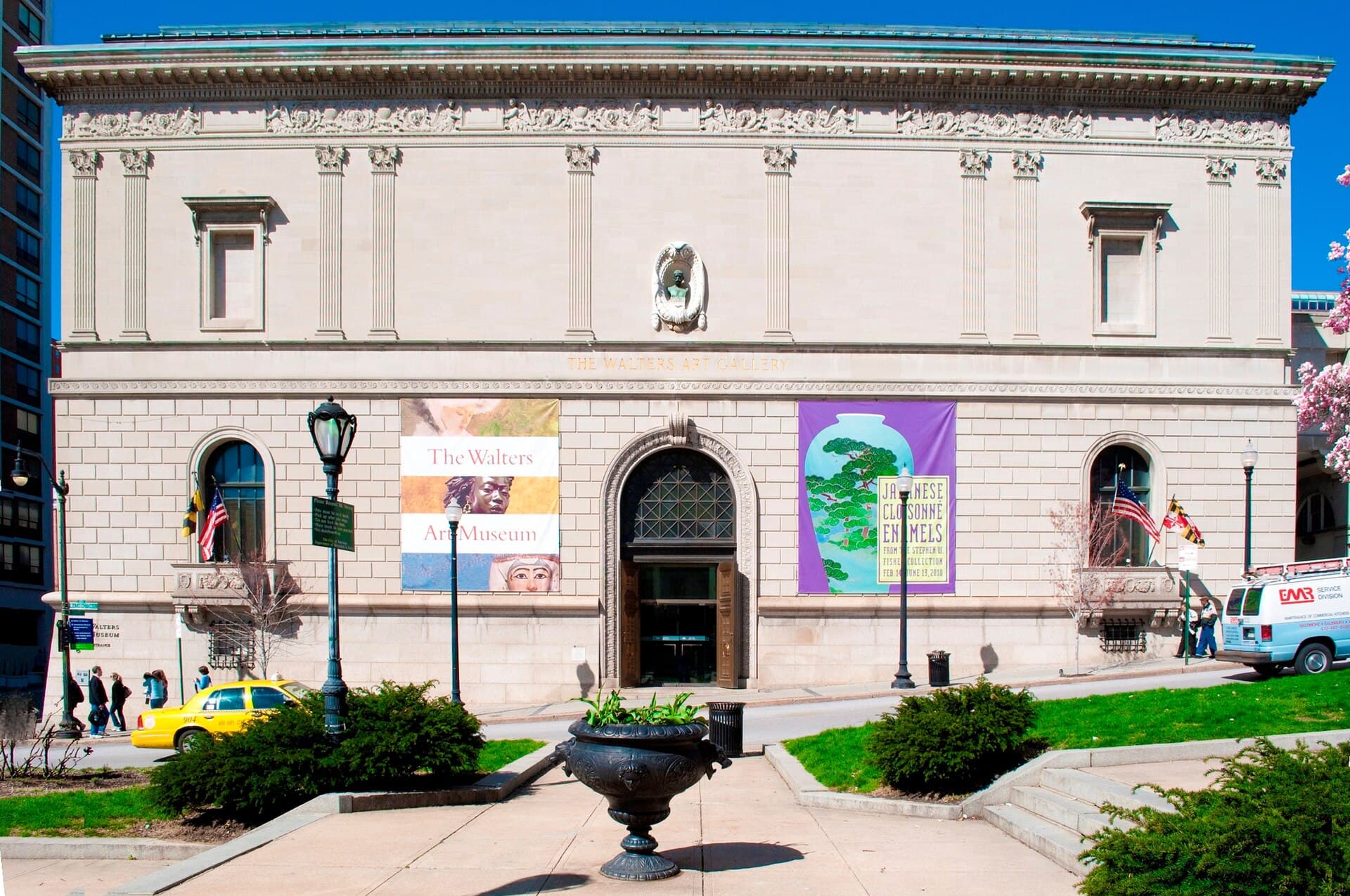
At the Baltimore Museum of Art, workers ratified their first collective bargaining agreement in 2024. That contract covers full-time, regular part-time, fellows and term-limited contract employees, while excluding managerial, casual, temporary and some other categories. The scope of that agreement shows that benefits have become a formal bargaining issue at a museum that draws school groups, visitors and donors from across the region, not just a behind-the-scenes personnel matter.
The bill also raises a broader political question for Baltimore: if the city uses its pension authority for the Walters and the BMA, what happens when other quasi-public employers ask for the same treatment. City Council has 15 members, including a citywide president, and any pension expansion would carry budget consequences as well as precedent-setting weight. The issue is even sharper at the Walters, where a 2025 Maryland Supreme Court ruling characterized the museum as a private entity even as city code still names it in the pension chapter.
This article was produced by Prism’s automated news system from verified source data, official records, and press releases, then run through automated quality and moderation checks before publishing. The system is built and supervised by the people who set the standards it runs under. Read our full AI policy.
Did this article answer your question?