Cost to Replace Key Bridge Doubles, Opening Delayed to 2030
The Maryland Transportation Authority reported on November 17 that the Francis Scott Key Bridge rebuild will cost between $4.3 billion and $5.2 billion, more than double original estimates of just under $2 billion, and is not likely to open to traffic before late 2030. The larger price tag and two year delay matter to Baltimore residents because the bridge is central to port operations, regional commerce, and planning for transportation and construction jobs across the city.

The Maryland Transportation Authority announced a dramatic increase in the projected cost and timeline to rebuild the Francis Scott Key Bridge following the March 2024 collision by the cargo ship Dali. Updated estimates released November 17 placed the replacement price between $4.3 billion and $5.2 billion, and shifted the anticipated reopening to late 2030, two years later than the original goal of 2028.
MdTA attributed the escalation to a combination of factors, including sharply higher material costs since the early estimates and new federal requirements for expanded pier protection systems designed to reduce the risk of future ship strikes. Design changes intended to accommodate larger vessels have yielded a higher profile for the new span, topping out at 230 feet at its highest point, and a longer main span of 1,665 feet. Officials also pointed to the scale of protective fenders around towers, described as larger than a football field, which were not fully accounted for in early cost projections.
State leaders said they will continue to seek legal damages from the shipowner responsible for the Dali crash, and that any awards would be applied to offset construction costs. Governor Wes Moore pledged ongoing work with federal partners to try to reduce costs while advancing the project. MdTA reiterated commitments to disadvantaged business enterprise goals for contracting on the project, a point of interest for local firms and workers.
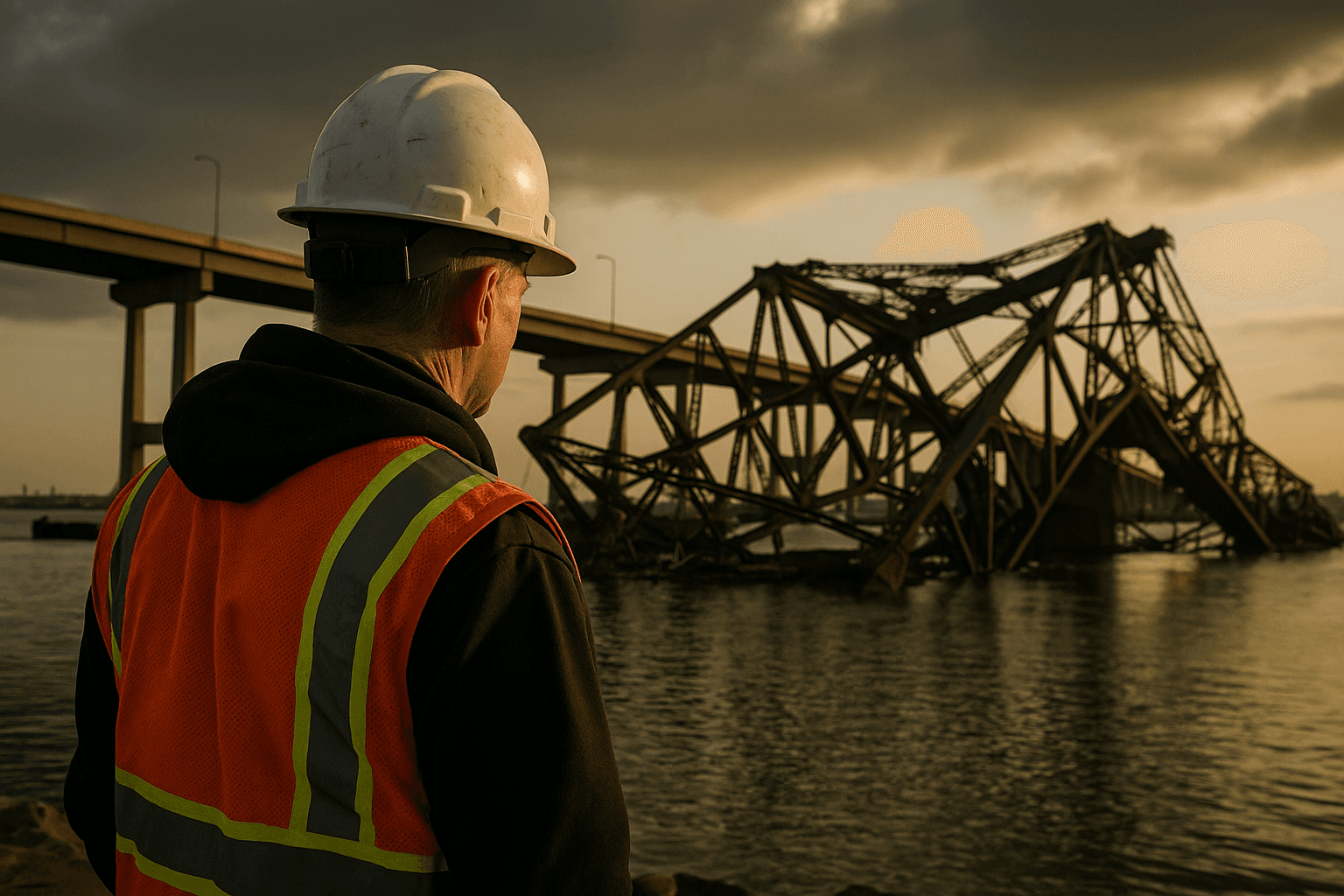
The federal government has renewed scrutiny of the program. U.S. Transportation Secretary Sean Duffy pressed for updates on costs and schedules and emphasized his authority to ensure proper use of federal funds. That oversight has implications for funding approvals and the pace of procurement and construction.
For Baltimore, the stakes are local and global. The Key Bridge sits at the mouth of the Patapsco River and is essential to operations at the Port of Baltimore, which supports jobs, supply chains, and international trade. The state faces difficult tradeoffs between speed, fiscal discipline, and enhanced safety protections. As planners adjust schedules and budgets, city residents can expect prolonged construction activity, continued disruptions to traffic patterns, and a sustained focus on how the rebuild will shape the region's economic recovery.
This article was produced by Prism’s automated news system from verified source data, official records, and press releases, then run through automated quality and moderation checks before publishing. The system is built and supervised by the people who set the standards it runs under. Read our full AI policy.
Did this article answer your question?