Demolition begins at Baltimore's oldest public housing complex
Demolition has started at Poe Homes, Baltimore’s oldest public housing complex, launching a rebuild that will replace 288 units and reshape West Baltimore.
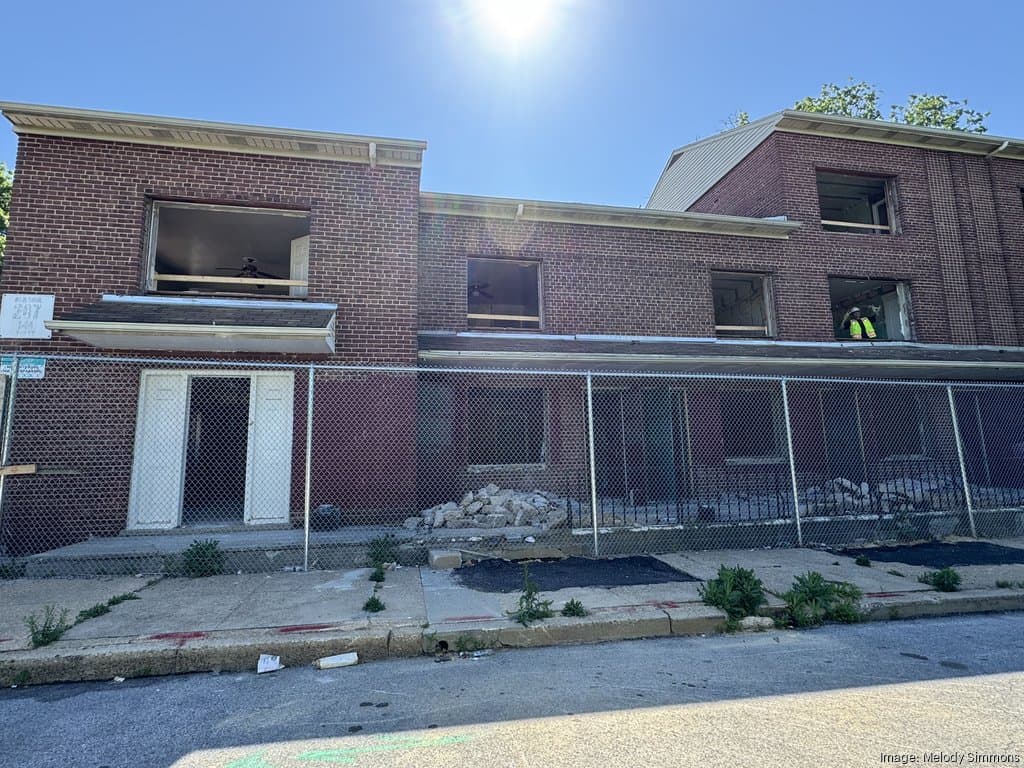
Demolition has started at Poe Homes, Baltimore’s oldest public housing complex, turning a long-planned redevelopment into a visible change on West Baltimore blocks that have defined generations of public housing history. For current and former residents, the teardown marks the first concrete step in a transition that will decide what kind of community comes next.
Poe Homes opened in 1940 and was originally built as segregated public housing for African Americans. The Housing Authority of Baltimore City now describes the 288-unit property as a development in disrepair, and its long-term goal is to transform Poe Homes and the surrounding area into a “Community of Choice.”
That rebuild is supposed to replace all 288 existing public-housing units and add more than 500 new mixed-income homes. Greater Baltimore AHC said in a January 2026 update that demolition was expected to begin in early 2026, with Phase 1, a 74-unit first stage, scheduled to apply for funding in spring 2026. Planners presented the redevelopment plan at a community meeting on Jan. 13, 2026.
The stakes extend beyond new housing. Poe Homes has been battered by repeated maintenance and infrastructure failures over the years, including a 2019 water-service outage that drew outside help. Housing Authority of Baltimore City says it serves more than 19,500 households citywide, making the Poe project a closely watched test of how the agency handles aging public housing while trying to deliver replacement units and new investment.

The neighboring Edgar Allan Poe House & Museum is tied to the same redevelopment footprint. Poe Baltimore says the museum now occupies 620 square feet, about half the size of Edgar Allan Poe’s original 1833 duplex footprint, and it has linked a planned expansion to the housing redevelopment next door. That means the demolition is not just about one public housing complex, but also about how West Baltimore’s housing, history and tourism landmarks will sit side by side.
The project also echoes earlier Baltimore efforts to clear blight and spur reinvestment, including Project C.O.R.E., the city-state partnership announced in January 2016 with the Maryland Stadium Authority. At Poe Homes, the next phase will show whether the city can turn a long-promised rebuild into lasting affordability, stronger infrastructure and a more stable future for the neighborhood around it.
This article was produced by Prism’s automated news system from verified source data, official records, and press releases, then run through automated quality and moderation checks before publishing. The system is built and supervised by the people who set the standards it runs under. Read our full AI policy.
Did this article answer your question?