Deutsch Foundation seeks new leader as Jane Brown steps down
Jane Brown is stepping aside after 31 years, and the Deutsch Foundation’s next leader will oversee a $147 million endowment that helps fund Baltimore arts and neighborhoods.

Baltimore arts groups, neighborhood nonprofits and civic projects are watching the Robert W. Deutsch Foundation’s leadership search closely: the next president and CEO will inherit a $147 million endowment and a grantmaking operation that issued 98 grants totaling $4.8 million in 2025. The foundation announced June 16 that it had begun looking for Jane Brown’s successor as Brown prepares to step aside later this year after 31 years at the helm.
For Baltimore organizations that depend on private philanthropy, the stakes are practical. The job listing says the next leader will work with the board’s treasurer, the Investment Committee and investment advisors to manage the endowment while also overseeing the operating budget and grant awards. The foundation says its mission is to invest in innovative people, projects and ideas that improve quality of life in Baltimore and beyond, with support that includes general operating support, capacity building and leadership development.
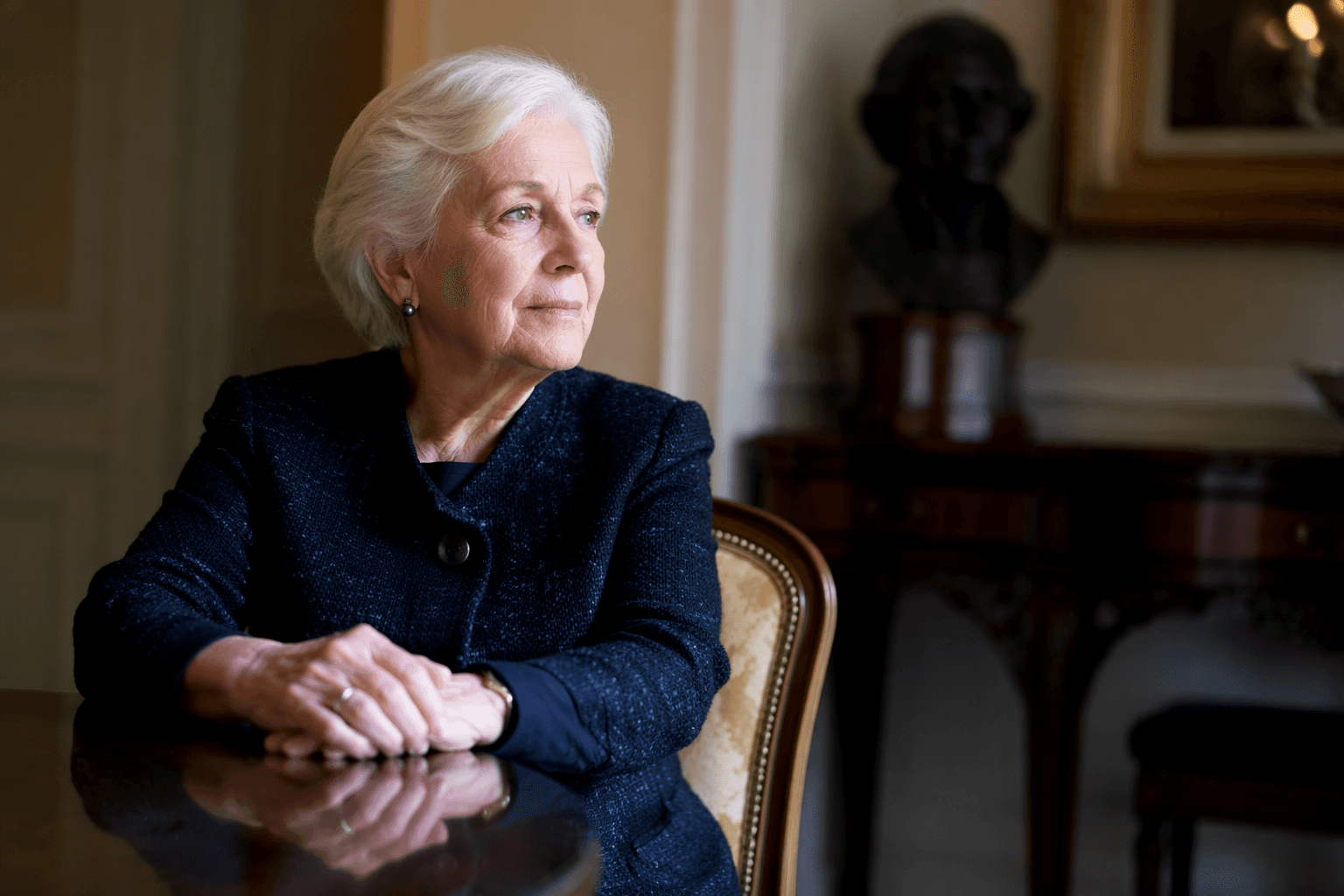
Brown’s tenure has been closely tied to Baltimore’s arts infrastructure. The foundation says she created the Rubys Artist Grants program and co-founded Baltimore Arts Realty Corporation, known as BARCO, which was founded in 2012 to provide affordable, quality workspace for artists, performers, makers and artisans. BARCO says it has leveraged more than $19 million in investment to create 60,000 square feet of space in Station North Arts & Entertainment District, including Open Works and Motor House.
The Rubys program, launched in 2013, has become one of the city’s most visible artist-support tools, offering project-based grants of up to $10,000 for Baltimore-area artists. The 2024 cycle supported 16 new projects and included a $25,000 alumni grant. The 2023 cycle awarded more than $250,000 to 18 projects across four disciplines. That track record will likely shape expectations for whether the foundation keeps backing riskier, early-career work or shifts toward more conventional institutional support.
The foundation’s cultural strategy says it treats Baltimore’s arts sector as an ecosystem and aims to attract and retain emerging talent. It has also stayed active beyond the arts, including support for the Baltimore Vacants Reinvestment Initiative Support Fund in 2025. In May 2026, the foundation appointed Tonya Miller Hall as senior creative fellow, another sign that the organization is still investing in leadership and creative capacity even as Brown’s era closes.
Brown, whom the foundation describes as a former journalist, leaves behind a philanthropy that has helped shape Baltimore’s cultural life as much as its neighborhood development. For arts groups, youth programs and civic nonprofits, the key question now is whether the next president and CEO preserves that broad, locally rooted approach or redraws the boundaries of what the foundation is willing to fund.
This article was produced by Prism’s automated news system from verified source data, official records, and press releases, then run through automated quality and moderation checks before publishing. The system is built and supervised by the people who set the standards it runs under. Read our full AI policy.
Did this article answer your question?


