Domino Sugars sign lights Baltimore skyline for 75 years
The Domino Sugars sign first lit Baltimore’s skyline on April 25, 1951, and its 2021 LED restoration kept the original neon look while cutting energy use.
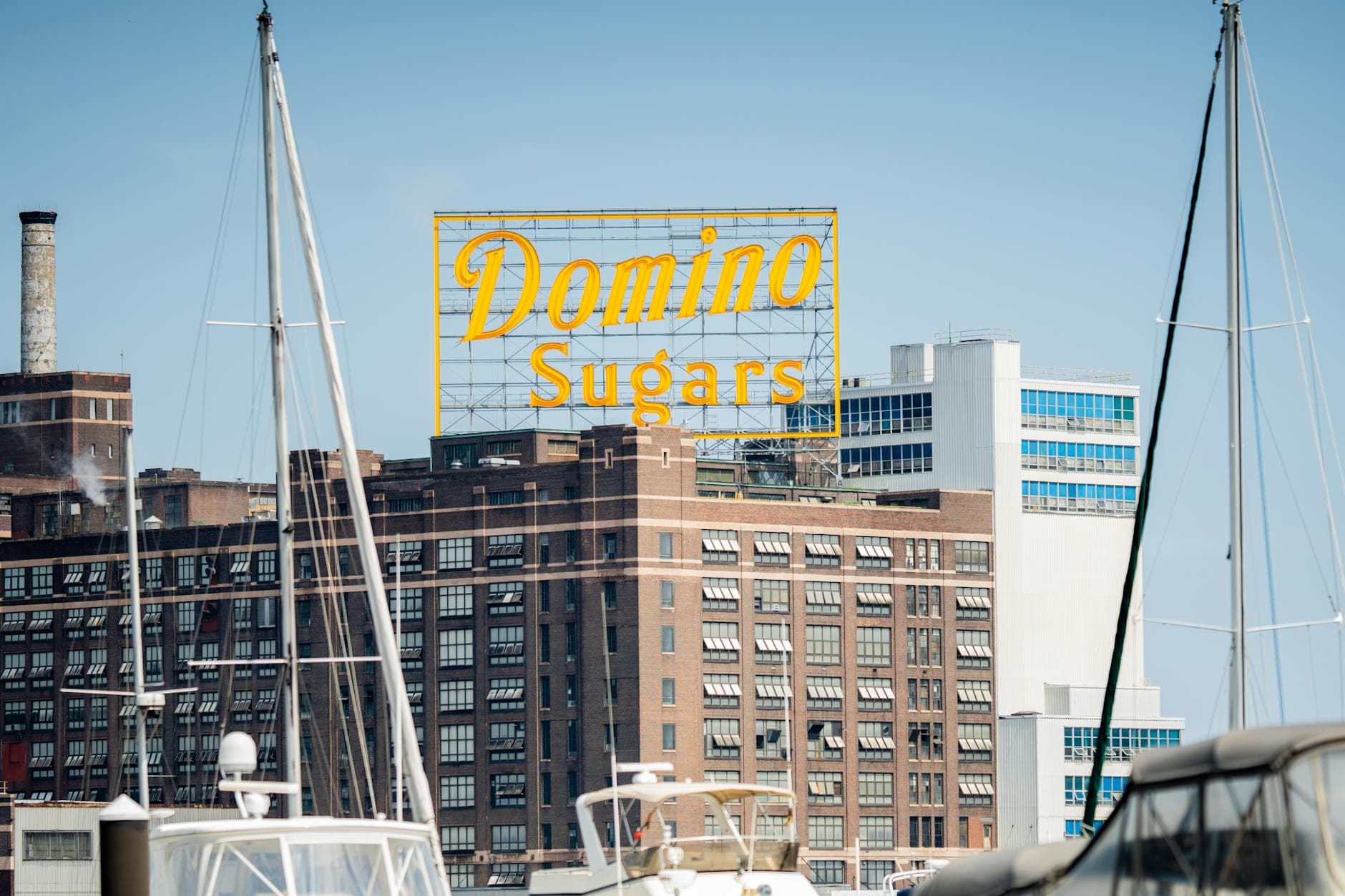
The red Domino Sugars sign has outlasted the waterfront around it. First illuminated on April 25, 1951, it has spent 75 years casting a familiar glow over the Inner Harbor, turning a working refinery in Locust Point into one of Baltimore’s most recognizable civic symbols.
The sign was built by Artkraft Strauss, the same New York sign company known for Times Square work and the New Year’s Eve ball-lowering tradition. It was assembled atop the refinery’s 10-story Domino Building after being shipped to Baltimore by barge, a reminder that the landmark has always been tied to the city’s industrial waterfront as much as to its postcard image.
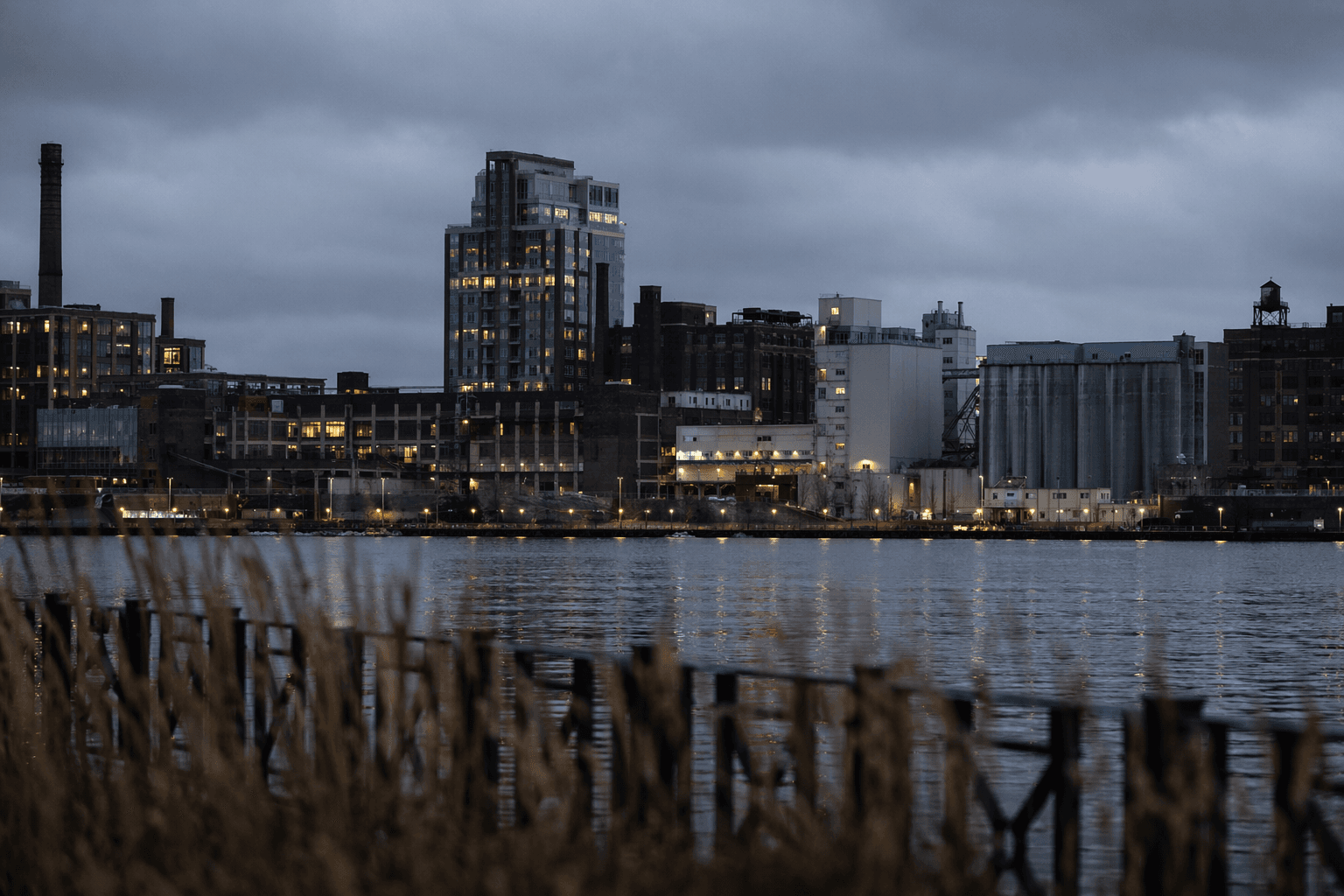
The refinery itself has operated in South Baltimore since 1922, long before the Inner Harbor became a tourist corridor. ASR Group says the plant now produces more than 6 million pounds of sugar a day and employs more than 585 workers, while supporting another 125 jobs in trucking, terminal operations, cargo handling and ship piloting. Historical sources describe it as one of the last major working industries along the harbor and the second-largest sugar refinery in the United States.
That industrial presence is part of why the sign still matters. Baltimoreans have long read it as a beacon of home, especially at night, and earlier reporting noted the public frustration when it went dark during the 1970s energy crisis. The sign has only gone dark twice in its history, once then and again in 2021, when it was removed in March for a major restoration and relit on July 4.
The 2021 overhaul replaced the original neon with LED lighting designed to mimic the old look exactly. ASR Group said the restoration preserved the sign’s appearance while saving 33,000 kilowatt-hours and 23 metric tons of carbon dioxide each year. That balance, keeping the same visual cue while lowering energy use, is why the sign still functions as both a waterfront icon and a working example of how Baltimore’s past can remain part of its future.
This article was produced by Prism’s automated news system from verified source data, official records, and press releases, then run through automated quality and moderation checks before publishing. The system is built and supervised by the people who set the standards it runs under. Read our full AI policy.
Did this article answer your question?