Downtown Baltimore Sees Momentum in 2025: Sanitation, Housing, Business Gains
The Downtown Partnership of Baltimore and community partners reported 25 major accomplishments for 2025 that together improved cleanliness, public space, safety, and small business support across downtown. For residents, these gains mean cleaner sidewalks, more retail activity, and new housing conversions tied to a broader 10-year master plan to make downtown more walkable.
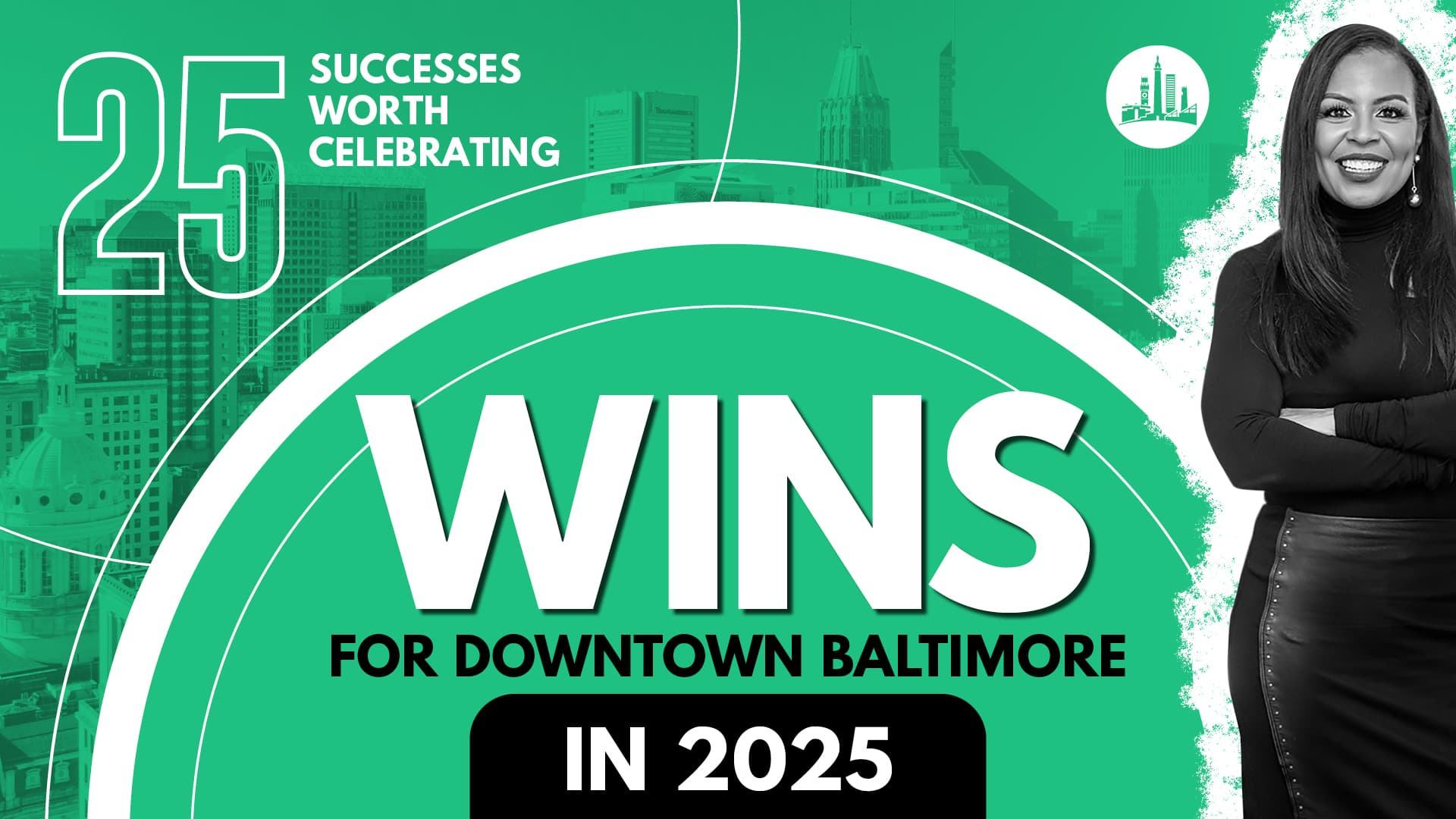
The Downtown Partnership of Baltimore (DPOB), working with partners and neighborhood stakeholders, closed 2025 with a set of measurable wins that city officials and business owners say strengthened downtown’s short-term economic prospects and long-term appeal. The organization’s year-end summary tallied accomplishments across operations, economic development, public space activation, safety, and events, noting concrete outputs and new funding that will carry into 2026.
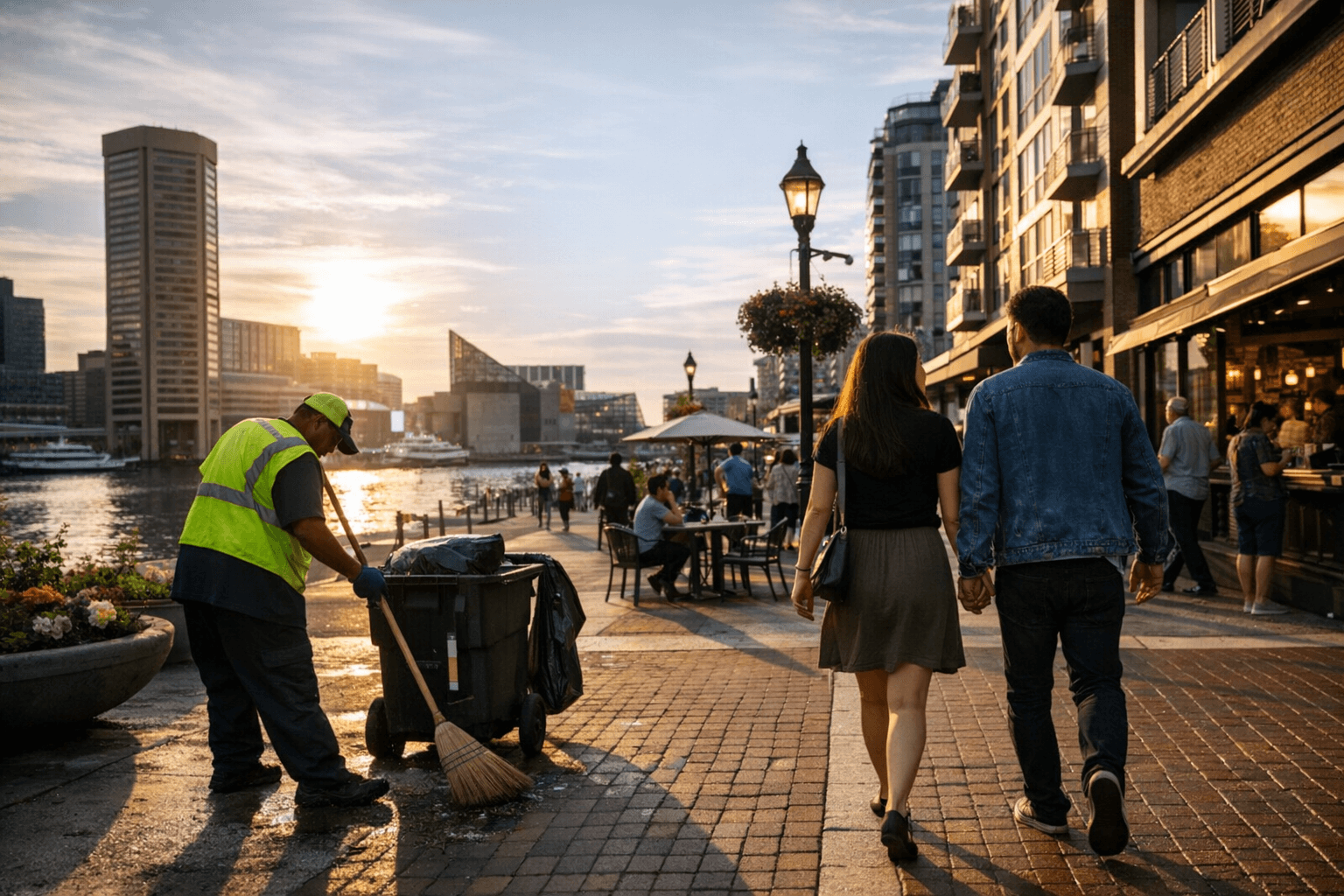
Operational improvements were substantial: crews collected and removed more than 1.8 million pounds of waste across the Downtown district and delivered over 1,000 hours of power washing to sidewalks and plazas. Sanitation capacity also increased with additional trash trucks and a major uptick in deployment of CITIBIN receptacles. Streetscape and pedestrian amenities advanced with 425 new planters installed across downtown, a visible effort to improve walkability and curb appeal.
Economic supports targeted small businesses and retail activation. DPOB launched the Baltimore Culinary Exchange (BCX), distributing $1 million in grants to 22 food service businesses for property improvements, equipment, inventory, and marketing. The BOOST retail initiative added new tenants and opened applications for BOOST cohort 4 in late 2025 to occupy vacant storefronts with locally owned retailers, a direct intervention to reduce vacancy and stimulate ground-floor commerce.
Safety metrics and housing activity were central to the year’s narrative. The Downtown Management Authority footprint saw an approximate 25 percent year-over-year reduction in aggregate crime activity, the report said, alongside continued residential conversions that are delivering new downtown housing. Those trends matter for market confidence: lower reported crime and growing housing stock can support retail demand, increase pedestrian traffic, and strengthen property values over time.
Capital investments advanced operational capacity as well. DPOB secured an additional $2 million toward a Strategic Operations Center, bringing total project funding to $9 million and moving the project into pilot testing. That center is positioned to centralize sanitation, safety coordination, and public-space operations, potentially improving cost efficiency and response times across downtown.
The Planning Commission’s formal adoption of the Downtown RISE Master Plan capped the year, setting a 10-year framework to create a more walkable, pedestrian-oriented downtown. For Baltimore residents and local policymakers, 2025’s results present both progress and policy choices: sustaining funding for operations, translating master-plan goals into zoning and infrastructure investments, and tracking outcome metrics such as retail occupancy, foot-traffic counts, housing completions, and public-safety statistics will determine whether momentum translates into long-term economic revival.
Know something we missed? Have a correction or additional information?
Submit a Tip