Federal Grant Funds Downtown Baltimore Fish Farm Beneath Pratt Street
A $1.5M federal grant is building a fish farm in a Pratt Street basement, with training for Baltimore workers and fresh seafood for downtown restaurants built into the plan.
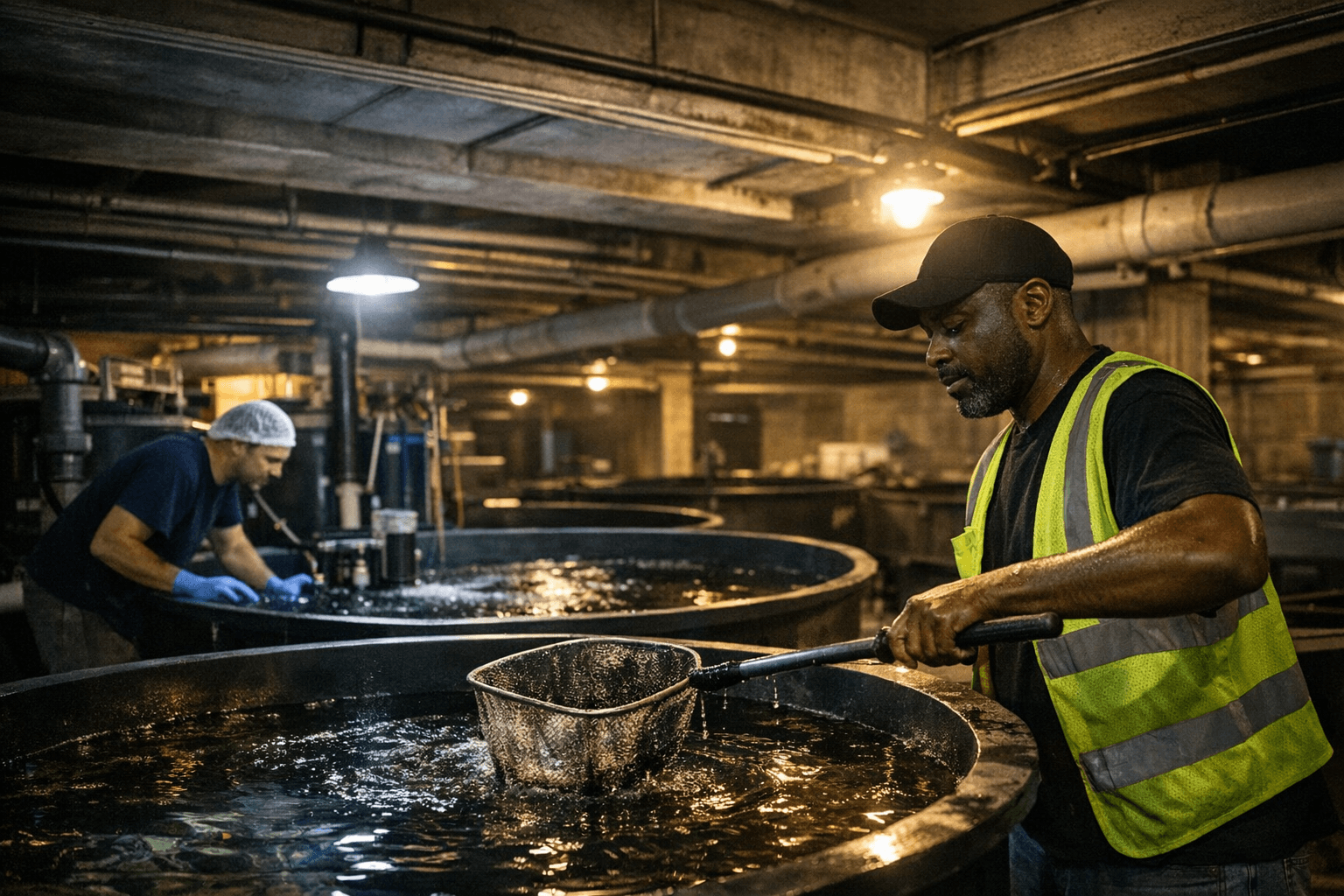
Tanks will soon be installed beneath one of Baltimore's most-walked blocks of Pratt Street, fed by $1.5 million in federal funding committed to a project that its backers say is as much about training Baltimore workers as it is about growing fish.
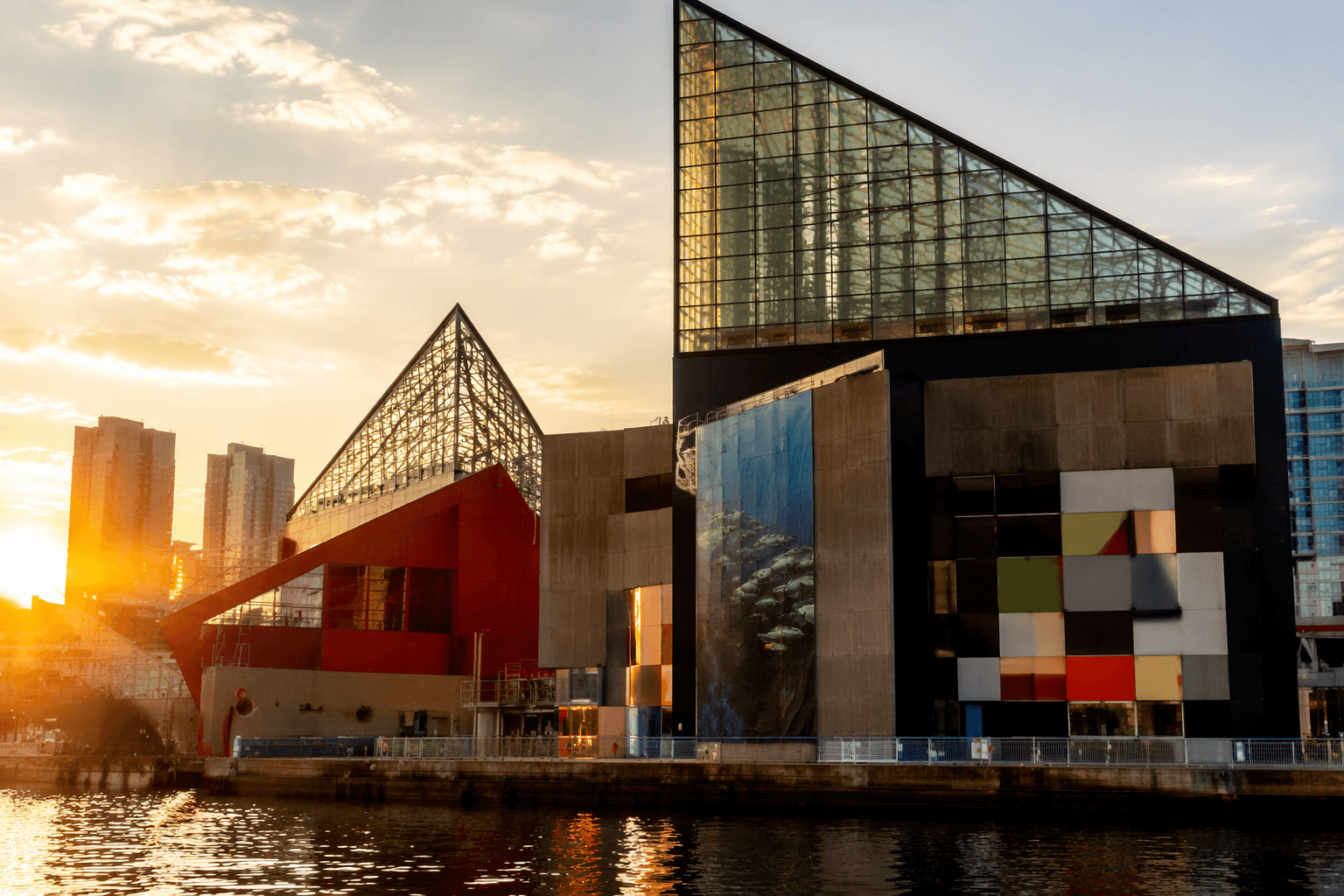
The initiative, announced at the end of March, brings researchers from the Institute of Marine and Environmental Technology and the University of Maryland Baltimore County together with the Downtown Partnership of Baltimore and local business groups. IMET already operates an 18,000-square-foot, fully contained recirculating aquaculture facility in the basement of its Inner Harbor home on Pratt Street; Yonathan Zohar, who directs IMET's Aquaculture Research Center and chairs UMBC's Department of Marine Biotechnology, is among the scientists connected to the new effort.
The federal dollars will fund buildout of new tanks, filtration arrays and recirculating aquaculture systems suited to the controlled conditions of an urban basement. The technology, known broadly as land-based aquaculture, runs water through closed-loop systems that regulate temperature, salinity, oxygen and light with precision, making it possible to produce seafood in a downtown building rather than a coastal facility or offshore net pen.
Project planners framed the workforce component as central to the grant's rationale. The funding is intended to underwrite programming designed to train workers and small-business operators in the technical and commercial skills needed to run and eventually scale these systems. For a city with deepening ties between its universities and its economic-development apparatus, the Pratt Street site is meant to function as a learning lab: a place where university researchers, aspiring food entrepreneurs and culinary professionals can work alongside live production systems rather than study them from a distance.
The Downtown Partnership's involvement links the aquaculture project to a broader downtown food strategy. Parallel grant programs in recent years have channeled public dollars into restaurants and markets along Pratt Street, Eutaw Street and the Charles Street corridor; the fish farm is designed to eventually become a local supplier for that same ecosystem, shortening the supply chain from ocean to table to a few city blocks.
Observers tracking the project will watch for specific measures of success: the volume of seafood production from the facility, research outputs from IMET and UMBC, the number of workers and entrepreneurs who move through the training program, and whether the site creates durable supplier relationships with downtown businesses. Project leaders have also signaled interest in replicating the model in other cities if the Baltimore pilot delivers results.
For a port city that still trades on its maritime identity even as most of its working waterfront has been absorbed by tourism and redevelopment, the Pratt Street fish farm offers a pointed argument: that Baltimore's oldest industry has a new address, and it's underground.
This article was produced by Prism’s automated news system from verified source data, official records, and press releases, then run through automated quality and moderation checks before publishing. The system is built and supervised by the people who set the standards it runs under. Read our full AI policy.
Did this article answer your question?