Federal Judge Limits Hunting Near Proposed Piedmont Power Line
A federal judge in Baltimore ordered temporary restrictions on hunting in areas where survey crews for the proposed Piedmont power line are conducting environmental and field studies, citing worker safety during hunting season. The ruling directs the company and landowners to coordinate a safety plan that minimizes intrusion on hunting rights and limits how long interruptions last, a decision that affects rural landowners and recreational hunters near Baltimore.
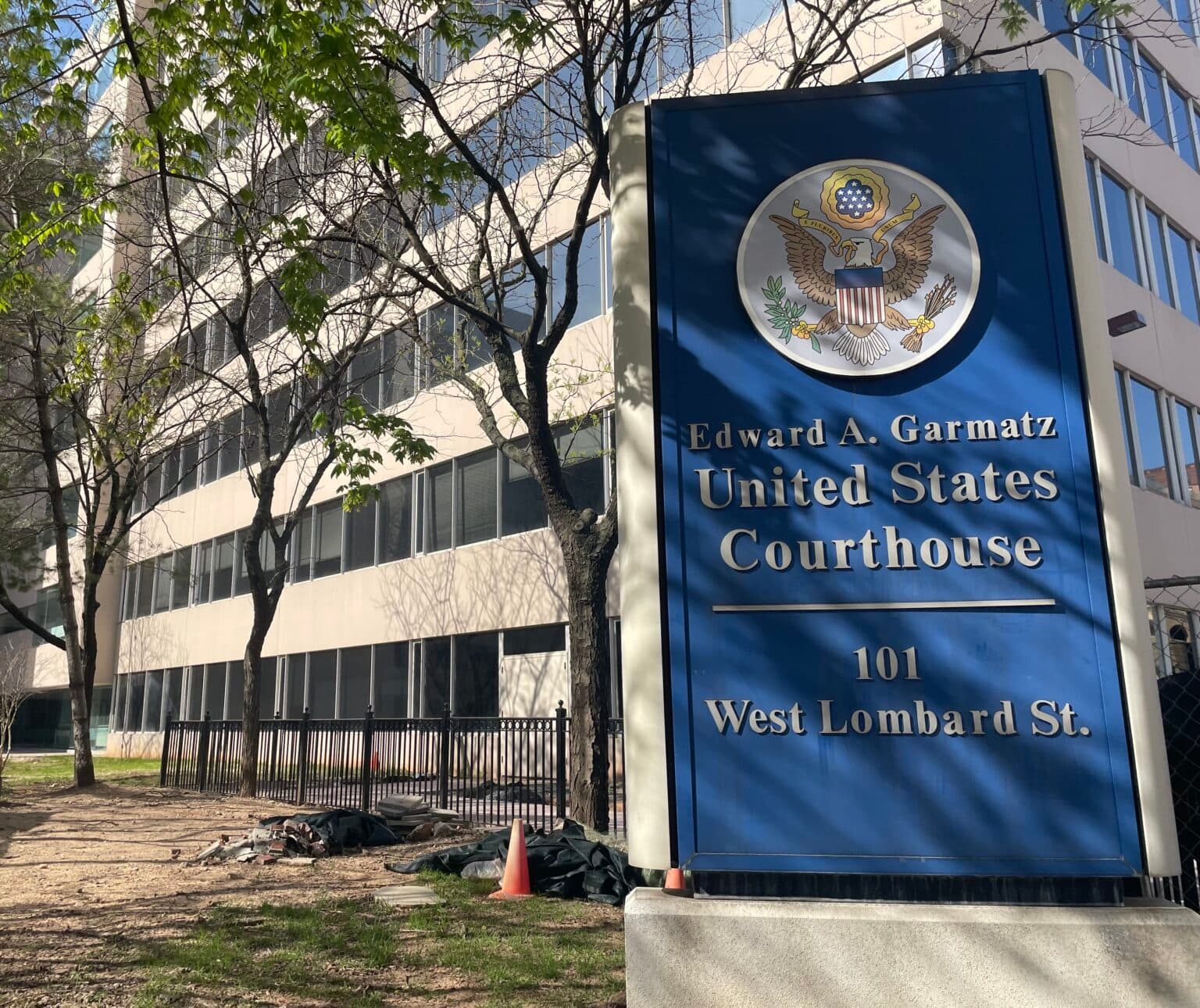
U.S. District Judge Adam B. Abelson on November 26, 2025 issued an order limiting hunting activity in locations where surveyors for the proposed Piedmont power line, part of PSEG Renewable Transmission, were carrying out environmental and field studies. The judge granted a request to restrict hunting while survey crews are in the field, but stopped short of a sweeping prohibition, instead requiring the company and landowners to develop coordinated procedures that reduce impacts on traditional hunting rights and limit the duration of restrictions.
The decision grew from safety concerns about surveyors working in rural areas during active hunting season. Judge Abelson framed the remedy as narrowly focused on protecting workers in the field, while recognizing the longstanding practice of hunting on private property. The order compels the parties to produce a plan that will ensure surveyor safety and also allow landowners to hunt when conditions permit.
For Baltimore area residents the ruling has practical implications. Landowners who permit hunting on their properties or who frequently use nearby rural tracts for recreation may see temporary pauses when survey crews are present. Survey teams will need to coordinate schedules and on site procedures with property owners to avoid unnecessary disruption. Those changes could affect the timing of field work and require greater communication between the transmission developer and communities that host the studies.
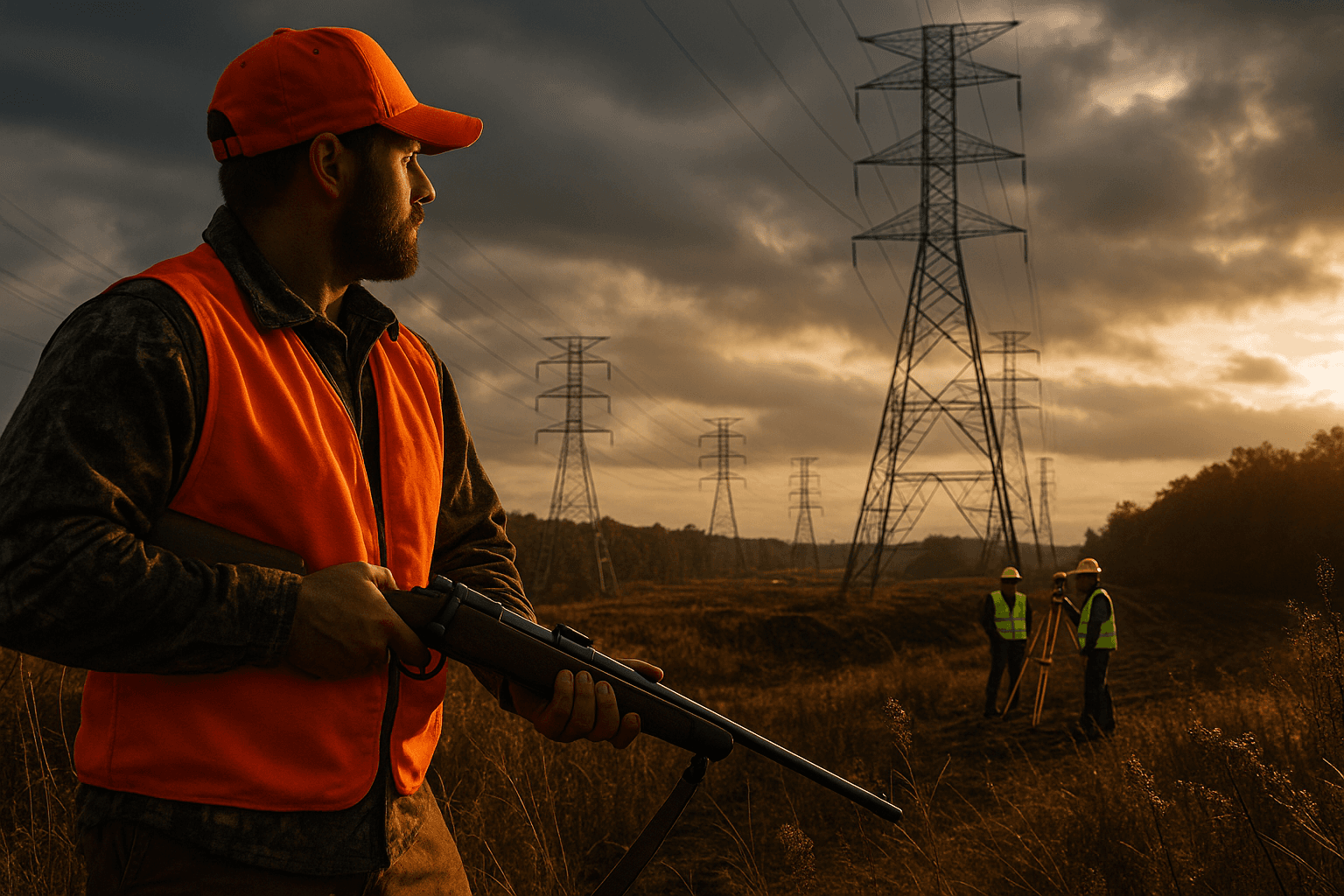
Beyond the immediate safety directive, the judge's approach underscores a broader legal balancing act between private use of land and the safety of workers engaged in infrastructure development. The narrow, safety oriented remedy signals that courts may prefer tailored solutions that address current risks rather than imposing permanent restrictions on traditional activities. That posture matters for future utility projects that rely on access to private lands for surveys and for landowners who seek to protect recreational uses.
The order represents a temporary, pragmatic step while environmental and field work continue. The parties now must negotiate and submit the coordinated safety plan called for by the court, with the aim of protecting survey crews and preserving hunting rights to the greatest extent possible.
This article was produced by Prism’s automated news system from verified source data, official records, and press releases, then run through automated quality and moderation checks before publishing. The system is built and supervised by the people who set the standards it runs under. Read our full AI policy.
Did this article answer your question?