Federal Partnerships Linked to Sharp Drop in Baltimore Homicides
The U.S. Attorney’s Office for the District of Maryland announced that violent crime fell sharply in 2025, with Baltimore recording 133 murders, the lowest total since 1977. Officials attributed the declines to coordinated federal, state, and local prosecution efforts and targeted enforcement programs, a shift that could reshape public safety priorities and resource allocation in the city.
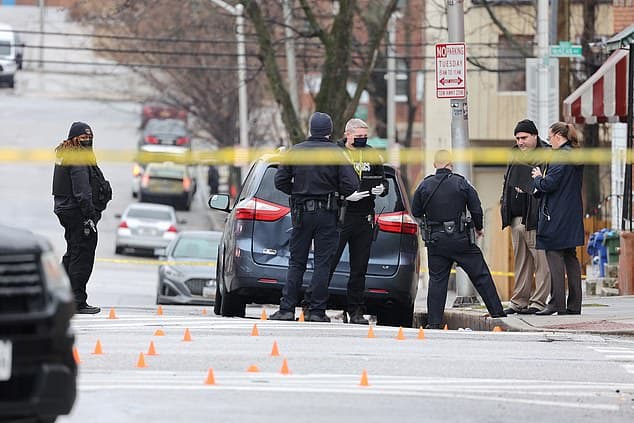
The U.S. Attorney’s Office for the District of Maryland reported on January 7 that violent crime declined significantly across the state in 2025, with Baltimore City registering 133 homicides, a 31 percent drop from 2024 and a 61 percent decrease since 2021. Statewide homicides have fallen by roughly 50 percent since 2021, and non-fatal shootings also declined in Baltimore and elsewhere in Maryland.
Federal officials credited a coordinated approach that paired federal resources with state and local enforcement. The office highlighted the use of Special Assistant U.S. Attorneys, partnerships with state prosecutors, Project Safe Neighborhoods, and the Homeland Security Task Force as central components of the strategy. The U.S. Attorney emphasized coordinated prosecution of firearms- and gang-related cases and described federal support as a force multiplier for local criminal justice efforts.
For Baltimore residents, the decline in homicides represents a meaningful change in a city long grappling with violent crime. A record-low homicide total since 1977 could ease public safety pressures on neighborhoods that have endured persistent violence, reduce trauma for families and communities, and alter the daily calculus for residents and businesses weighing safety and investment decisions.
The institutional implications are significant. Greater federal involvement through SAUSAs and targeted task forces can relieve prosecutorial backlogs and increase capacity for complex gun- and gang-related prosecutions, but it also raises questions for local policymakers about sustaining community-based prevention, mental health, and economic programs that address root causes. City leaders and voters may now confront new choices about how to balance continued enforcement with long-term investments that reduce violence without widening distrust between law enforcement and communities.
Civic engagement will remain essential to maintaining momentum. The U.S. Attorney’s Office encouraged residents to report tips and access additional information, providing a contact for the press and public. Residents seeking further information or wishing to submit tips can contact Kevin Nash at USAMD.Press@usdoj.gov or 410-209-4946.
As Baltimore and Maryland register these declines, officials and community groups will need to translate short-term enforcement gains into sustained reductions through coordinated policy, transparent reporting on outcomes, and continued community involvement in shaping public safety priorities.
This article was produced by Prism’s automated news system from verified source data, official records, and press releases, then run through automated quality and moderation checks before publishing. The system is built and supervised by the people who set the standards it runs under. Read our full AI policy.
Did this article answer your question?