Gaithersburg Man Pleads Guilty to SNAP, Identity and Passport Fraud
A Gaithersburg man admitted to a 10-count federal case for stealing SNAP benefits, identity and passport fraud - a conviction that highlights risks to local benefit programs and personal data.
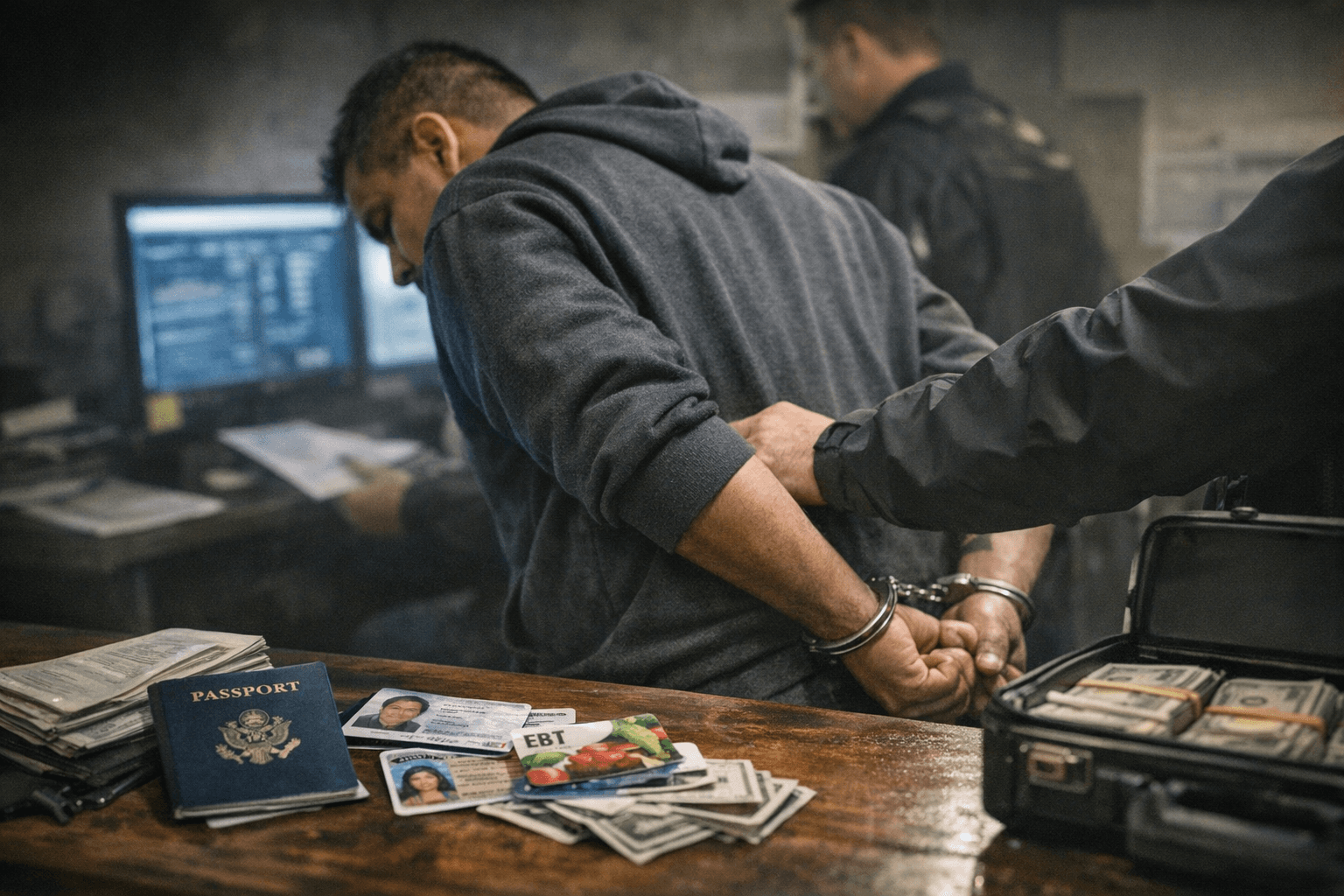
Federal court records show Brendyn Andrew, 34, of Gaithersburg, pleaded guilty to a 10-count superseding indictment that charged him with Supplemental Nutrition Assistance Program fraud, possession of unauthorized access devices, aggravated identity theft, passport fraud, and witness tampering. Prosecutors say the plea resolves an investigation alleging schemes to obtain SNAP benefits by misusing other people’s personal identifying information and other illicit methods.
Andrew’s guilty plea, entered Jan. 22, 2026, was announced by the U.S. Attorney’s Office, which credited investigative work by the U.S. Department of Agriculture - Office of Inspector General and the U.S. Department of State Diplomatic Security Service. The indictment against Andrew was expanded into a superseding 10-count version that grouped multiple alleged techniques used to secure benefits and documents fraudulently.
The case strikes at two intertwined vulnerabilities for Baltimore residents: the integrity of safety net programs and the exposure of personal identity data. SNAP fraud diverts resources intended for low-income households in Baltimore City and elsewhere, increasing administrative costs and potentially delaying legitimate benefit access for residents who depend on the program. Aggravated identity theft and passport fraud raise additional concerns about how stolen identity information can be used beyond local benefit systems, complicating recovery for victims who may face financial and bureaucratic fallout.
Local officials and community organizations that assist Baltimore residents with SNAP enrollment and re-certification say fraud cases like this can erode trust in program administration and may prompt tighter verification procedures. Those changes can reduce fraud but also create additional hurdles for clients seeking benefits, particularly seniors and low-income families who may lack easy access to required documentation.
The federal announcement did not specify sentencing information in the plea summary. The U.S. Attorney’s Office noted the prosecutor handling the case and provided contacts and reporting resources through its public channels. Investigators from USDA-OIG and the State Department’s Diplomatic Security Service participated in the probe that led to the indictment and guilty plea.
For Baltimore residents, the immediate takeaway is practical: safeguard Social Security numbers and other personal identifying information, review benefit notices and EBT account activity regularly, and report suspected fraud to the appropriate state and federal offices. Community organizations that help clients enroll in SNAP should re-emphasize secure document handling and counsel clients on how to respond if they suspect identity theft.
As the case moves toward sentencing and potential restitution proceedings, the conviction underscores ongoing tensions between preventing abuse of public benefits and ensuring access for eligible Baltimore families. Residents and service providers should expect continued scrutiny of benefit programs and the need for clearer safeguards to protect both public funds and personal data.
This article was produced by Prism’s automated news system from verified source data, official records, and press releases, then run through automated quality and moderation checks before publishing. The system is built and supervised by the people who set the standards it runs under. Read our full AI policy.
Did this article answer your question?