Harborplace road closure plan heads to Baltimore City Council hearings
Harborplace’s Light Street spur could be fenced off as soon as November, but Baltimore City Council hearings will decide whether downtown access changes move ahead.
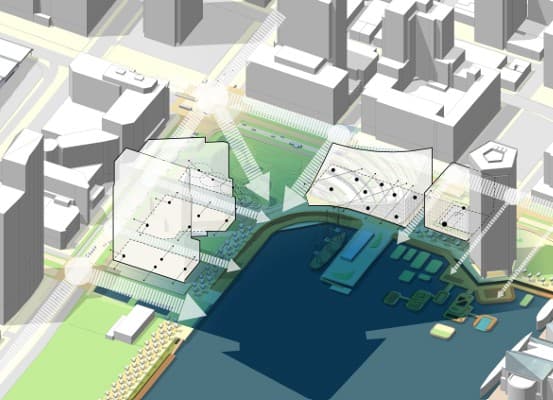
The Light Street-to-Calvert Street spur by Harborplace could be fenced off to traffic as soon as November, but the closure cannot happen until Baltimore City Council approves it, putting downtown access, deliveries and circulation on the public record before one of the Inner Harbor’s biggest changes moves forward.
That hearing matters because the spur sits inside a much larger Harborplace overhaul. Baltimore voters approved Question F in November 2024 by 95,605 votes to 63,043, expanding the redevelopment footprint from 3.2 acres to 4.5 acres and clearing the way for a plan that would eliminate the Calvert Street spur and shrink Pratt and Light streets. MCB Real Estate’s proposal has been described as a roughly $500 million project in some accounts and a $900 million project in others, with up to 900 apartments, plus offices, shops, restaurants, public space and parking.
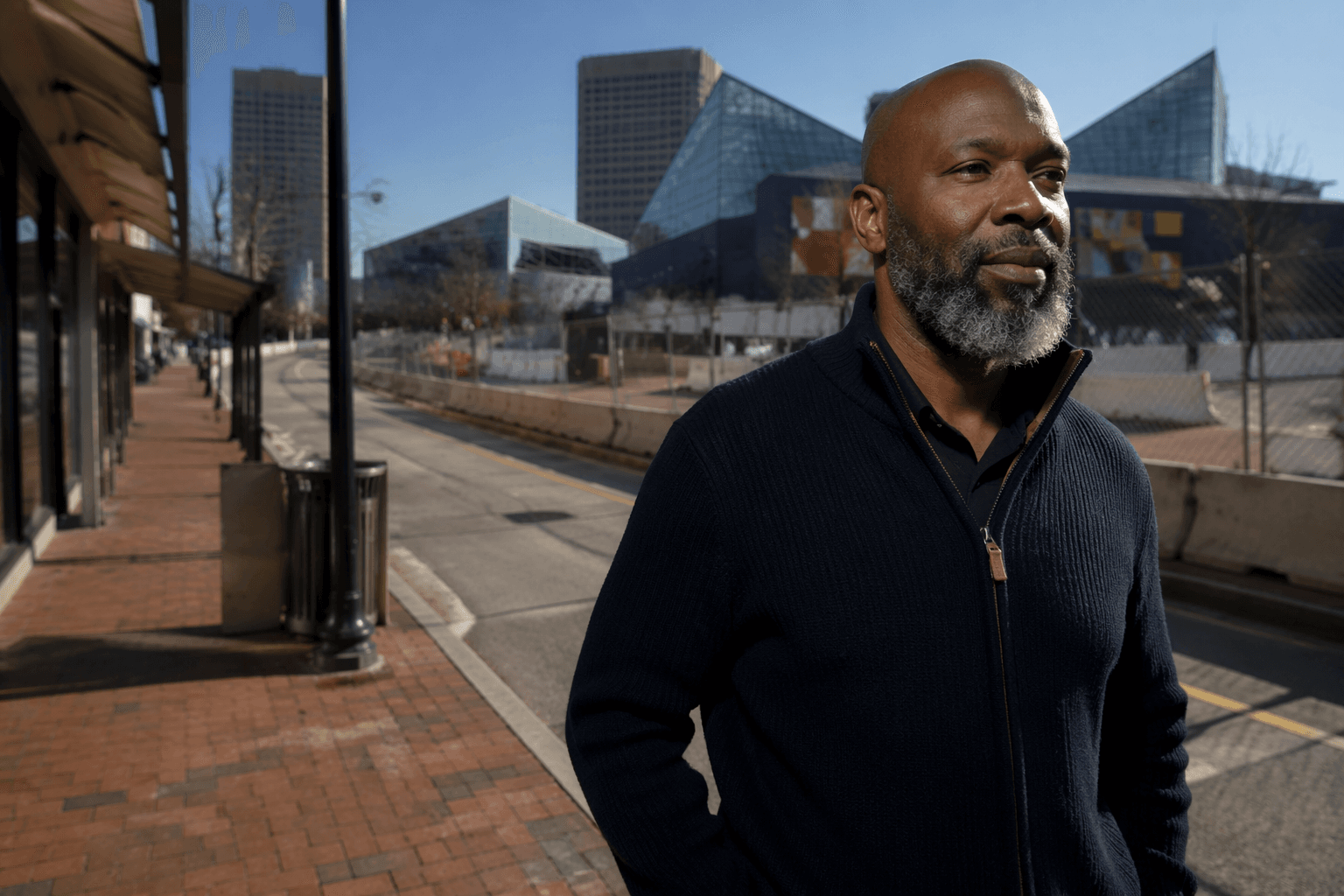
A city planner told the Baltimore Tourism Association that the curving segment of Light Street would be fenced off in November, but a later email from a planning department official said that date was not firm. That uncertainty leaves businesses, commuters and event operators around the Inner Harbor guessing about when traffic patterns could change and how construction staging might affect the area before work is expected to begin in fall 2026.
The public hearing also gives residents and merchants a formal chance to argue over who benefits and who bears the cost. Supporters of the mixed-use plan see a denser waterfront district as a way to generate more foot traffic and revive a downtown corridor that still depends on people moving easily between hotels, storefronts and McKeldin Square. Critics are likely to focus on the opposite risk: fewer vehicle routes, harder deliveries and more pressure on surrounding streets as the city tries to remake a waterfront that has already seen years of debate.
That debate has not been limited to Baltimore. The city’s Planning Commission and City Council held hearings on the enabling legislation in late 2023 and early 2024, and the Maryland Department of the Environment held a public hearing on March 25, 2026, on the broader Inner Harbor redevelopment plan before closing the comment period on April 8. With construction still projected for fall 2026 and some summaries pointing to completion around 2031, the street-closure fight is now one of the clearest tests of how Baltimore wants the Inner Harbor to work for drivers, pedestrians and downtown businesses.
This article was produced by Prism’s automated news system from verified source data, official records, and press releases, then run through automated quality and moderation checks before publishing. The system is built and supervised by the people who set the standards it runs under. Read our full AI policy.
Did this article answer your question?