Hernandez, Former Moore Aide, Takes Helm at Baltimore Public Markets
Shaina Hernandez, former deputy chief of staff to Gov. Wes Moore, took over as CEO of Baltimore Public Markets, which runs Lexington Market and four other city markets.
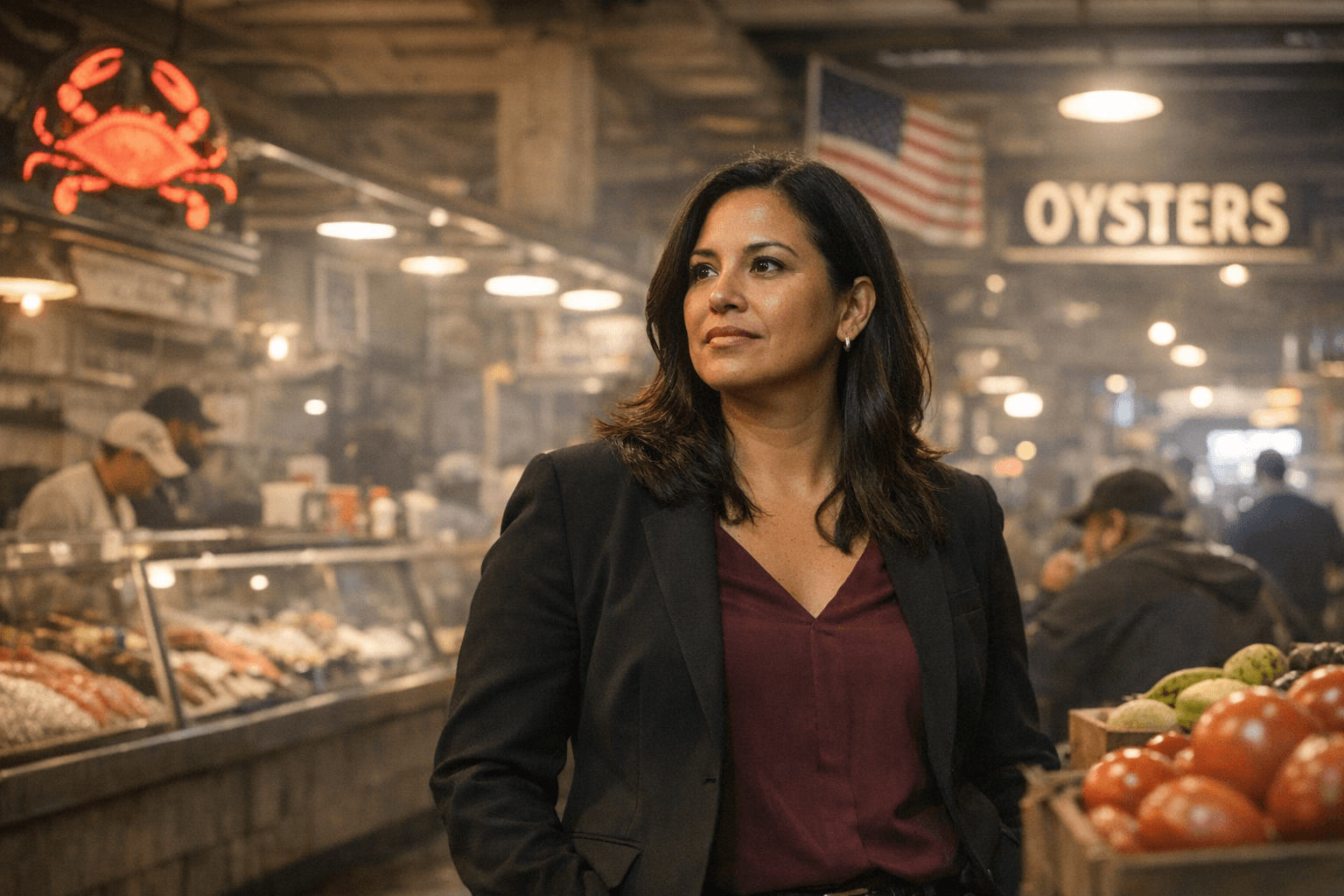
Shaina A. Hernandez stepped into one of Baltimore's more consequential food-economy jobs this week, taking over as President and CEO of Baltimore Public Markets Corporation after serving as deputy chief of staff in Governor Wes Moore's administration.
The nonprofit she now leads operates five public markets across the city, including Lexington Market, part of one of the nation's oldest public-market systems. That network functions simultaneously as a neighborhood grocery anchor, a hub for culturally specific foods, an incubator for food entrepreneurs, and a draw for downtown visitors.
Hernandez's appointment, confirmed April 2, brings state-level policy and management experience to an organization navigating a critical moment. Lexington Market has been the focal point of significant renovation investment in recent years, and Hernandez has signaled that continuing that revitalization is a priority. She has also emphasized using the five-market system as an engine of inclusive economic opportunity and food access, with a focus on strengthening vendor partnerships and expanding programming.
The operational challenges ahead are concrete: modernizing aging market facilities, growing vendor diversity, increasing revenue streams, and aligning market development with broader city initiatives targeting downtown and neighborhood revitalization. Observers have noted that her government background positions her to navigate the complex funding landscape, including federal and state grants and the interagency coordination that advocates have long identified as essential to the markets' long-term sustainability.
For the vendors who occupy stalls at Lexington and the neighborhood markets, and for the residents who depend on those stalls for staple groceries and culturally important foods, leadership transitions at the top of the markets system carry direct consequences. Food entrepreneurs who use the markets to test new concepts, and the neighborhood organizations that regard them as civic anchors, will be watching how Hernandez balances historic character with modern commercial demands.
She enters with the political fluency of someone who coordinated large public initiatives at the state level, a skill set that may prove as important as any operational plan in a role requiring constant negotiation among vendors, municipal authorities, funders, and neighborhood stakeholders.
This article was produced by Prism’s automated news system from verified source data, official records, and press releases, then run through automated quality and moderation checks before publishing. The system is built and supervised by the people who set the standards it runs under. Read our full AI policy.
Did this article answer your question?