Homeless service coalition urges Baltimore to change encampment protocols
A coalition of Baltimore homeless-service providers urged the city on Feb. 17, 2026 to change encampment policies; the city’s Encampment Resolution Protocol has been labeled effective January 2024.
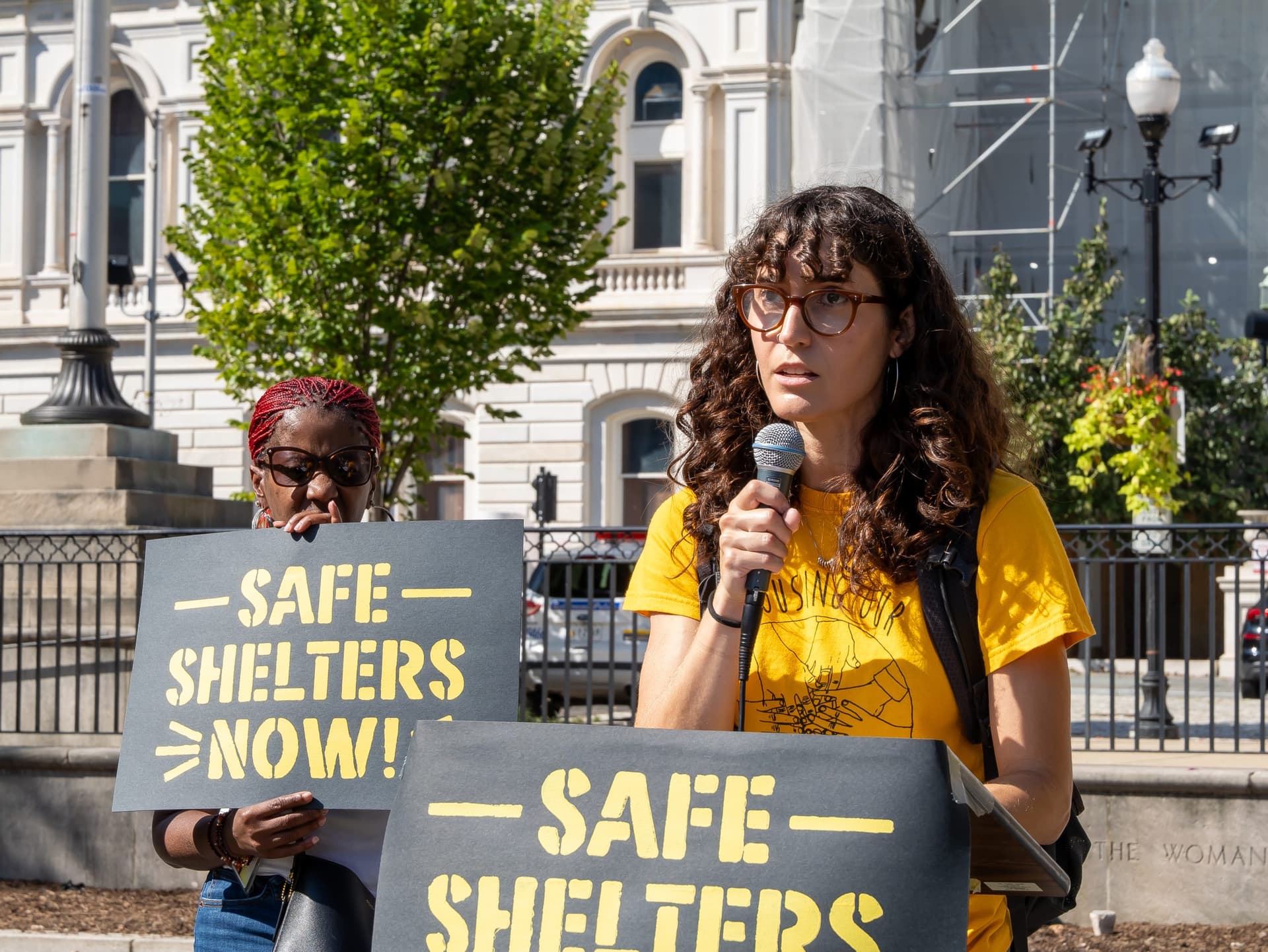
A coalition of Baltimore homeless-service providers and advocates published a public statement on Feb. 17, 2026 pressing the city to change how it addresses street homelessness and encampments, a statement that was republished and amplified by Baltimore Brew. The original fragment of the coalition statement in the materials provided is truncated, “The statement bluntly frames the current ap”, and the full list of signatory organizations was not included.
City Hall already has a formally titled playbook: the Baltimore City Encampment Resolution Protocol, stamped “Effective January 2024” on the document and announced publicly in a Mayor’s Office of Homeless Services press release datelined Feb. 22, 2024. Ernestina Simmons, Executive Director of MOHS, is quoted in the release: “The Encampment Resolution Protocol is the City of Baltimore’s comprehensive, compassionate, and humane approach to addressing homelessness in a way that strengthens our communities.”
The MOHS press release lays out operational steps officials say guide on-the-ground work. When an encampment is identified, outreach teams begin engaging residents and develop a “client-centered plan aimed at providing shelter or housing support immediately,” the release says. The Baltimore City Department of Transportation places signage at sites to notify occupants that a resolution is underway and to provide resource information; MOHS says it “arranges shelter for occupants prior to the arrival of the Baltimore City Department of Public Works (DPW) for site cleanup.” In collaboration with the Baltimore City Department of General Services, MOHS also offers secure storage solutions for impacted encampment residents, though the press release wording on storage is truncated in the supplied materials.
The protocol document itself emphasizes trauma-informed, rehousing-focused language. Verbatim bullet points in the protocol include: “Provide trauma-informed outreach that builds trust with encampment residents, expands peer support networks, and connects residents to community resources,” and “Provide comprehensive support services that will increase successful encampment resolutions through collaborative partnership and decision-making.” The protocol further calls to “Increase communication and transparency among encampment residents, participating City agencies, service providers, and community stakeholders” and to “Promote alternative options for shelter, housing, or diversion based on the experiences of encampment residents to prevent further instability or trauma.”
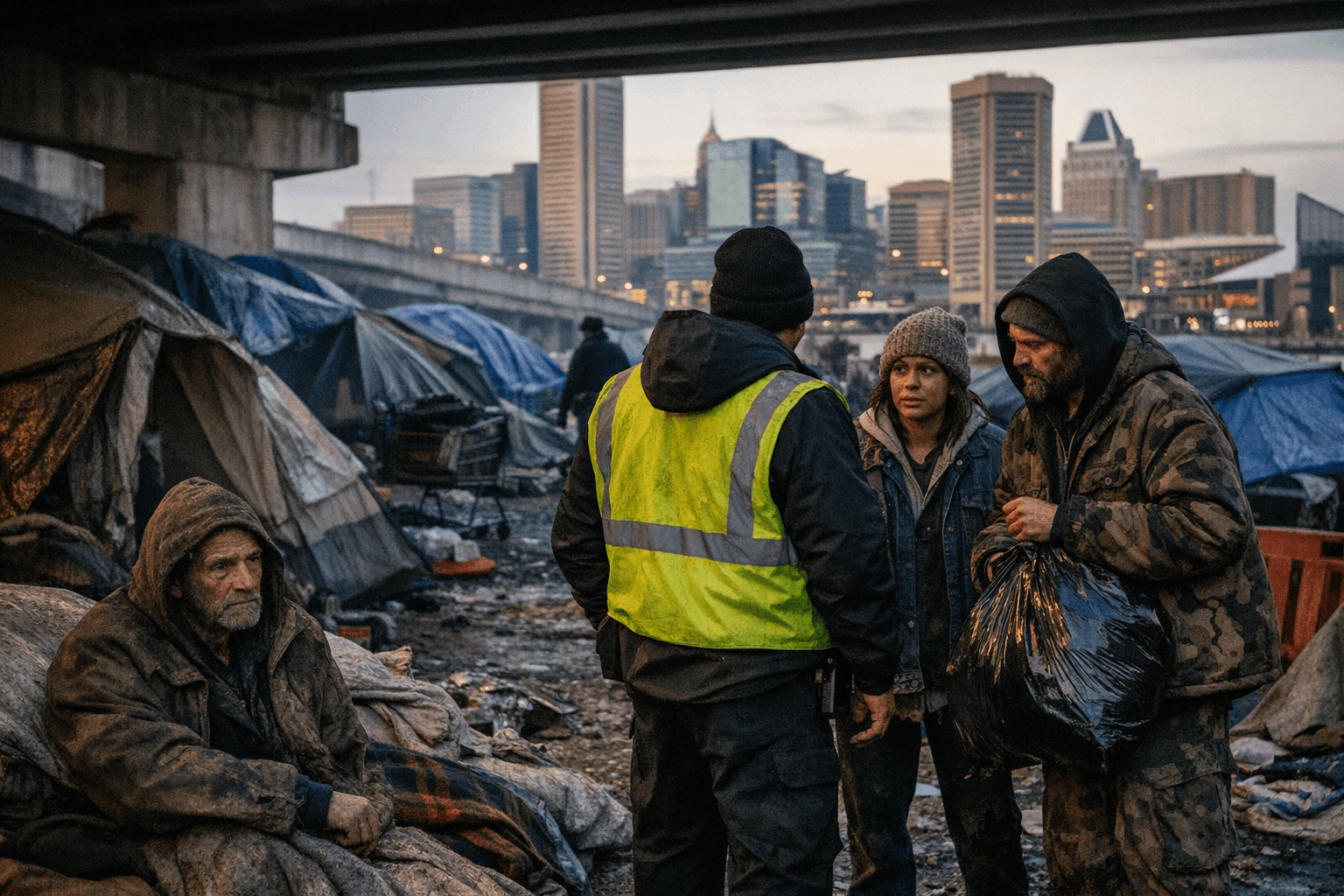
The city documents place the policy in a wider federal-public-health context, noting that the Centers for Disease Control and Prevention initially encouraged communities to allow encampments to stay intact during the start of the COVID-19 pandemic and that communities “have reevaluated their approaches to encampment resolution.” The protocol also cites national coordination, saying the United States Interagency Council on Homelessness and partners “recently established the 7 [...]”, a fragment in the supplied file that is incomplete.
Key gaps remain: the full Feb. 17, 2026 coalition statement and its signatories are missing from the materials, and the city packet does not include outcome data such as counts of encampments resolved, shelter offers made since January 2024, or how often secure storage has been used. Absent those documents and MOHS’s on-the-record response to the coalition, the debate between the Feb. 17, 2026 coalition and the city’s Jan. 2024 protocol will rest on competing assertions rather than concrete, comparable results.
This article was produced by Prism’s automated news system from verified source data, official records, and press releases, then run through automated quality and moderation checks before publishing. The system is built and supervised by the people who set the standards it runs under. Read our full AI policy.
Did this article answer your question?