How Baltimore Residents Reach City Services, 311 and 911 Explained
Baltimore City residents rely on 311 for most non emergency city services, and 911 for life threatening emergencies. This article explains when to call each line, which departments handle specific problems, and practical steps to get faster results and escalate when requests stall.
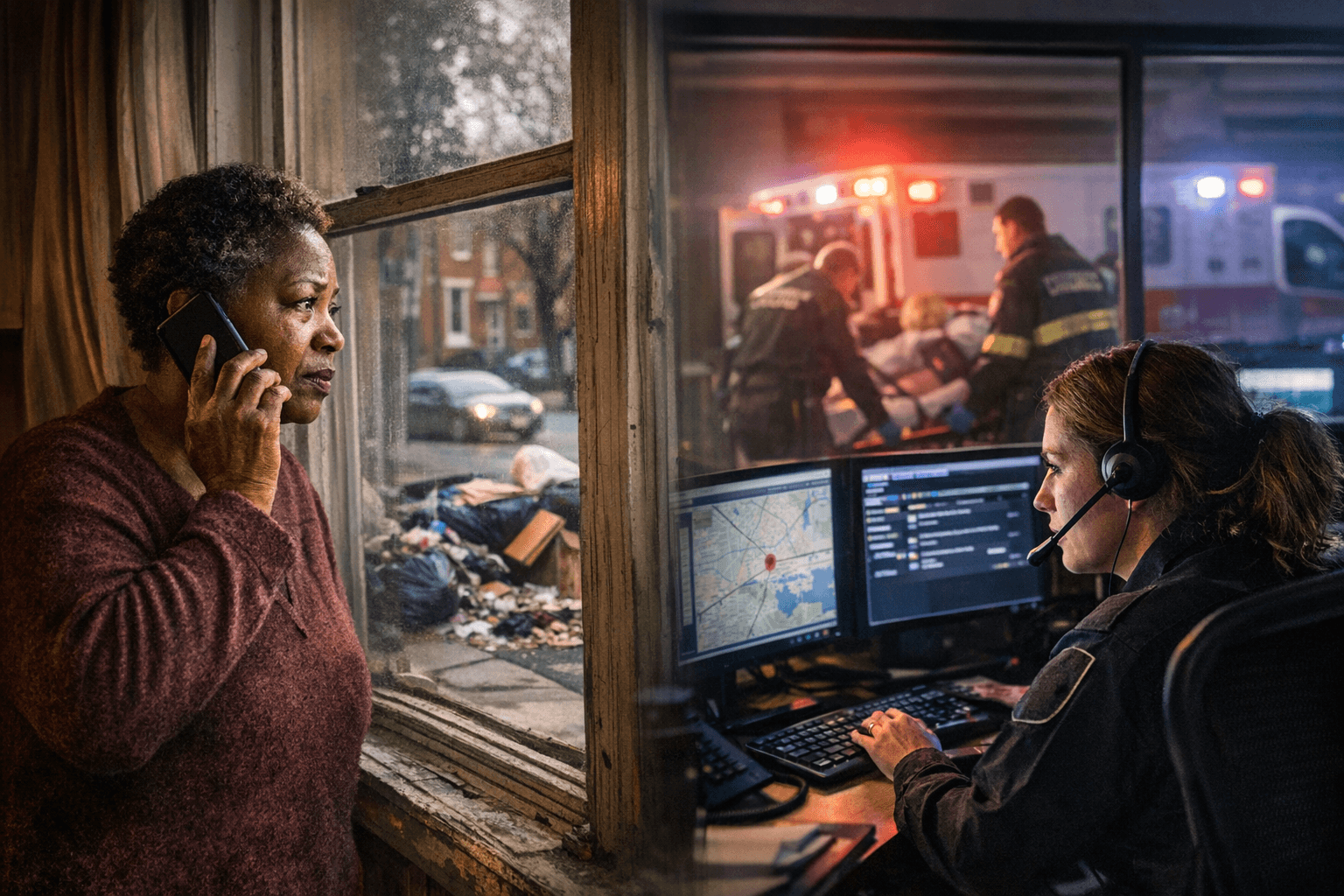
Baltimore City operates two distinct public contact systems. Dialing 911 connects callers to emergency dispatch for crimes in progress, serious medical emergencies, active fires, or any situation that threatens life or safety. For routine city services and information use 311, either by phone from inside the city or through the city 311 online portal and mobile app which allow searchable service requests, status tracking, and photo uploads.
Residents should use 311 for trash and recycling problems, missed pickups, bulk trash collection, street sweeping questions, potholes, streetlight outages, abandoned vehicles, sanitation complaints, and general inquiries about city programs. The Department of Public Works accepts many of these filings through 311 and through DPW specific online forms for specialized requests. Follow local pickup calendars for your collection day and seasonal adjustments to avoid unnecessary service requests.
Public safety matters that are not immediate emergencies should be routed to the Baltimore Police Department non emergency line or filed through available online reporting tools for qualifying incidents. Community policing resources, including district contacts and community liaison officers, are listed on the BPD website for neighborhood level engagement. For life threatening incidents continue to call 911.
Housing and homelessness assistance is coordinated by the City s Housing and Community Development department and the Mayor s Office on Homeless Services, both of which maintain hotlines and online intake for shelter placements, eviction prevention resources, and housing counseling. For health and environmental concerns contact the Baltimore City Health Department for vaccination information, food safety complaints, and communicable disease guidance, while environmental complaints such as illicit discharges or water quality worries route through Environmental Protection or DPW channels.
For urgent water problems such as main breaks or dangerous leaks contact the city water utility emergency number directly. Non urgent water quality questions may be reported through 311. Court schedules, eviction hearing information, and court help center services are available through the Maryland Judiciary and local court help center pages, and legal aid organizations including Maryland Legal Aid provide eviction diversion and representation resources. Schools questions should go to Baltimore City Public Schools central office or the school specific phone line for closures and enrollment.
To speed response include precise addresses, cross streets, and photos when possible, and track your request with the service request number. Keep records of dates and request numbers for follow up. If a 311 request receives no timely action escalate to the responsible department head, your City Council member s office, or the Mayor s constituent services. Community organizations and oversight offices such as the City Comptroller and the Office of the Inspector General can also help residents navigate unresolved issues.
This article was produced by Prism’s automated news system from verified source data, official records, and press releases, then run through automated quality and moderation checks before publishing. The system is built and supervised by the people who set the standards it runs under. Read our full AI policy.
Did this article answer your question?