Incoming Baltimore schools CEO faces district’s deepest challenges
Baltimore’s new schools chief inherits Maryland’s weakest district, where attendance, reading, math and chronic absenteeism will define his first year.
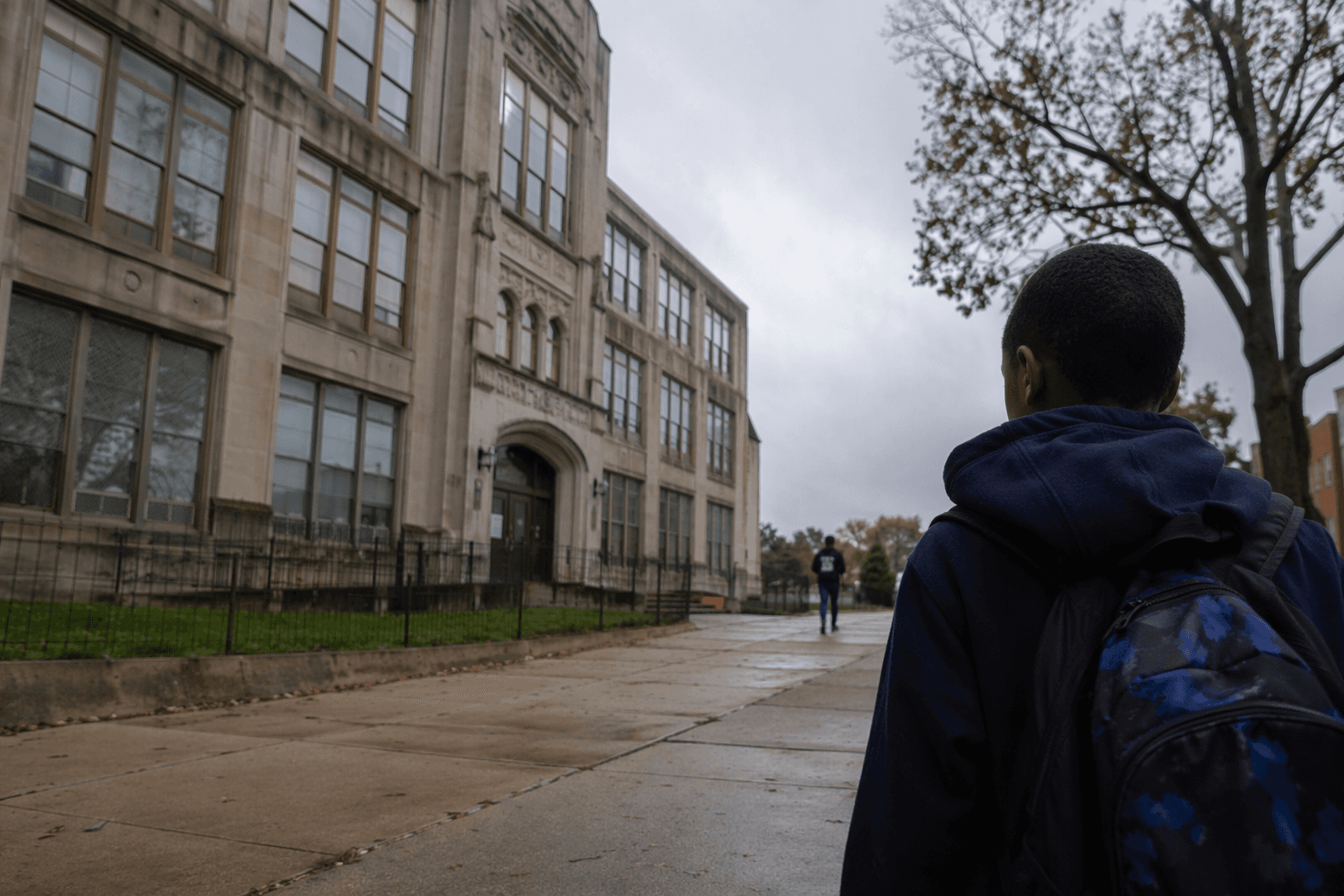
Baltimore City’s next schools chief is stepping into a district that already has a blunt report card: Maryland’s lowest-performing system, with the state’s lowest graduation rate, attendance rate, SAT scores and English proficiency, plus the highest chronic absenteeism. For Dr. Jermaine Dawson, who takes over July 1, the first year will not be judged by speeches or introductions. It will be judged by whether those numbers start moving for families in every part of the city.
The Baltimore City Board of School Commissioners unanimously selected Dawson on April 20, naming him the district’s next chief executive officer after Dr. Sonja Brookins Santelises steps down at the end of June. Dawson is now deputy superintendent of academic services in Philadelphia, and Baltimore is asking him to turn a system under constant scrutiny into one that can show steady, measurable gains.
The district does have some momentum to protect. Baltimore City Public Schools said in November that 49 percent of its schools earned 3, 4 or 5 stars on the Maryland Report Card in 2025, the best share since the state report card began in 2018 and well above the 25 percent low point in 2022. The district also said attendance rose from 83 percent to 86 percent, English proficiency increased from 26 percent to 31 percent, and graduation rates climbed from 70.5 percent to 71.7 percent.
That progress matters because Maryland’s accountability system is built around concrete measures, not impressions. The state report card tracks academic achievement, academic progress, English language proficiency progress, school quality and student success, attendance and graduation. City leaders and parents will likely use that same framework to judge Dawson, especially in reading and math recovery, where Baltimore still trails the state’s stronger districts.
Attendance may be the clearest early test. Maryland defines chronic absenteeism as missing at least 10 percent of school days, and early 2025 reporting showed Baltimore City had the highest chronic absenteeism rate in the state, with nearly half of public school students missing too much class time. Two city schools had chronic absenteeism rates above 90 percent. City Schools later said chronic absenteeism fell 8.7 percent since school year 2022-23 and improved across all groups and grade levels in school year 2024-25, but that still leaves a long climb before families can see real stability.

Dawson has said he wants to support teachers and principals, improve curriculum and build stronger community support around schools. That gives Baltimore a practical scorecard for year one: keep attendance rising, push literacy and math faster, reduce chronic absenteeism, and show that vacancies, safety and transportation are not draining time from classrooms. The district has spent years proving it can improve in pieces. Dawson’s job is to make those gains hold, spread and reach far more students.
This article was produced by Prism’s automated news system from verified source data, official records, and press releases, then run through automated quality and moderation checks before publishing. The system is built and supervised by the people who set the standards it runs under. Read our full AI policy.
Did this article answer your question?