Inside Maryland’s legislative kickoff: what Baltimore residents should know
What Baltimore residents will learn about the state legislature's opening day, leadership choices, and early budget planning that will shape local services.
1. Ceremonial tone of the session's start
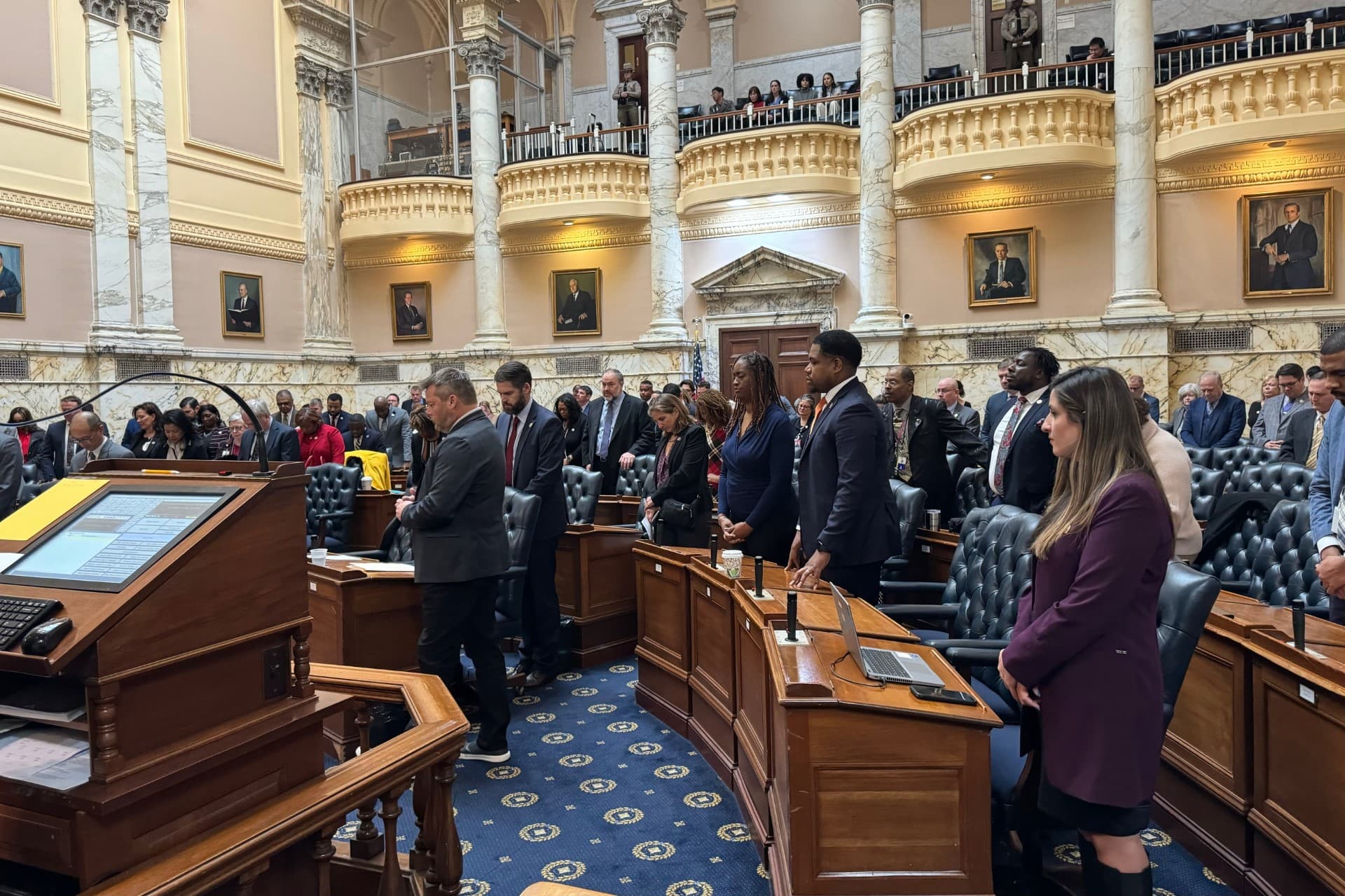
The opening day at the State House carried a ceremonial, upbeat vibe, a lot of back-slaps, applause and polite pageantry that signals the start of business rather than the end of debate. For Baltimore residents, that ceremony matters because it sets expectations: leaders want unity on the surface even as policy fights simmer, so initial optimism is often the prelude to sharp negotiations that directly affect city funding and programs.
2. Leadership elections
Lawmakers used opening day to elect or reaffirm legislative leaders who will set committee priorities and calendars for the 90-day session. Those leadership choices influence which bills get hearings or fast-tracked and therefore shape the odds that Baltimore-focused measures, from school funding tweaks to public-safety initiatives, will reach final votes this spring.
3. Election of legislative leaders and local stakes
The newly chosen leaders control the flow of legislation and the budget timetable, which is especially consequential for Baltimore’s local governments and non-profits that depend on state allocations. Baltimore’s delegation will be watching committee rosters and leadership signals closely to identify allies for city priorities like affordable housing, transit capital projects, and state grants to social services.
4. Remarks from Gov. Wes Moore
Gov. Wes Moore’s remarks framed the session’s public agenda and offered cues about executive priorities, including affordability and fiscal planning. While the governor’s tone was ceremonial as well, his presence and emphasis signal how much energy the administration intends to put behind particular bills and budget requests that will affect Charm City services and households.
5. Presence of Baltimore-area officials at the State House
Mayors, council members, local advocates and members of the Baltimore delegation were visible at the State House, engaging with the statewide policymaking process. That on-the-ground presence matters because early meetings and relationship-building can translate into last-minute fixes, earmarks or informal agreements that favor city projects and neighborhood needs.
6. Baltimore delegations and coordination
Baltimore’s delegation is already organizing internally to present unified positions on budget priorities and legislation impacting the city. Effective coordination helps the delegation leverage votes and trade support on amendments, a practical necessity in a short session where concentrated effort by a city caucus can alter outcomes for schools, policing funds, and transit investments.
7. Procedural expectations for the 90-day session
The General Assembly operates on a tight, 90-day calendar that forces rapid committee schedules, bill hearings and amendments. For Baltimore residents, that compressed timeline means advocacy windows are narrow: community groups and local officials must be ready early if they want meaningful input on bills or to secure funding during the budget run-up.
8. Volume of bills filed and what it means locally
Lawmakers filed a heavy docket of bills at the session’s start, covering everything from housing to health care to local government authority. A high volume increases competition for hearing time and political capital; Baltimore priorities risk being crowded out unless city leaders and advocates marshal focused, early campaigns to promote the most consequential proposals.
9. Plans for early budget coordination among top leaders
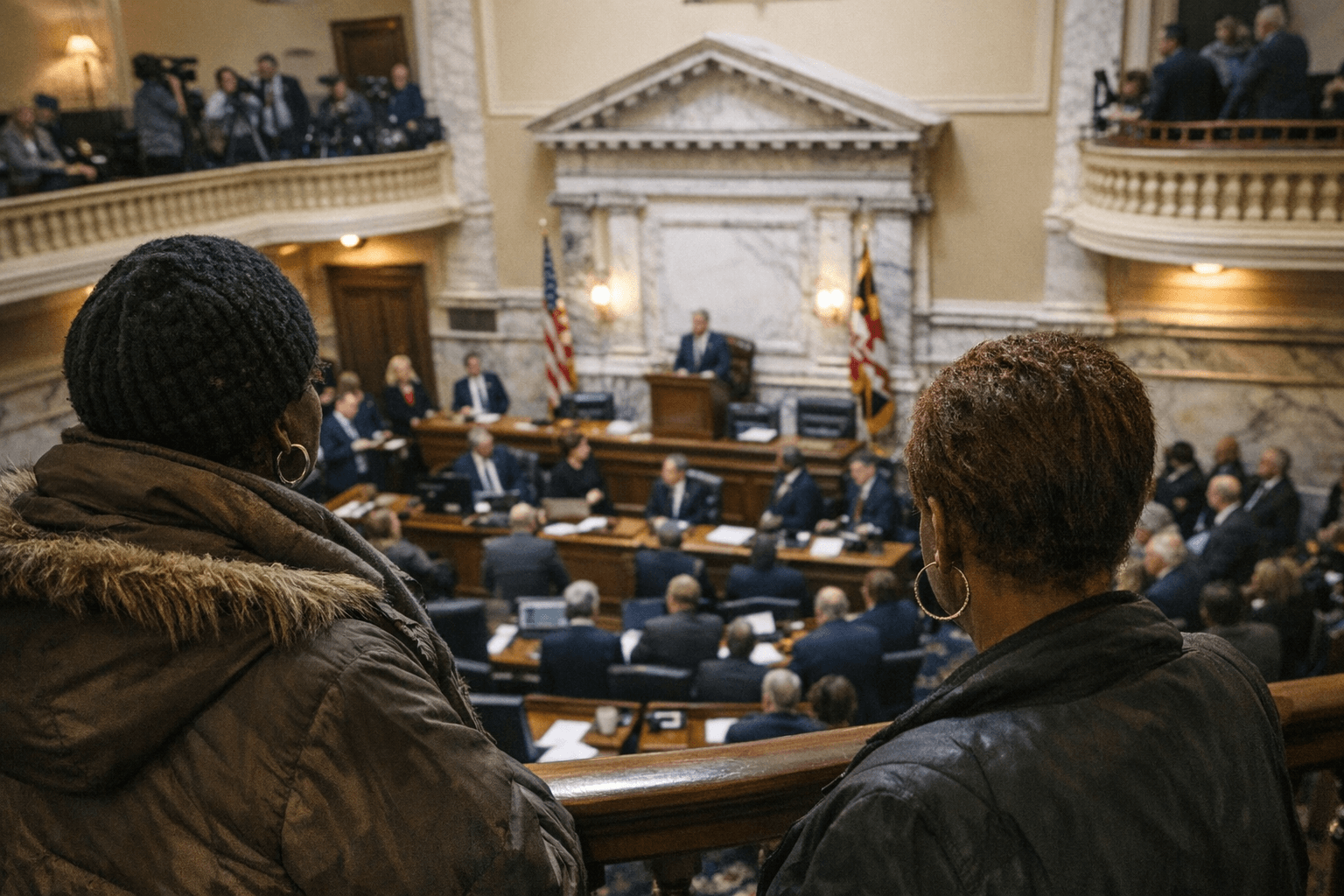
Top legislative and executive leaders signaled plans to coordinate early on the state budget, trying to align assumptions before the hard bargaining begins. Early coordination can stabilize expectations for Baltimore’s budget year and help local agencies plan, but it can also lock in priorities that make later adjustments difficult if the city’s needs shift mid-year.
10. Political positioning on affordability
Affordability emerged as a prominent theme, with lawmakers staking out positions on rent, housing supply, and cost-of-living relief. For Baltimore families facing rising rents and persistent housing insecurity, the legislature’s choices on zoning reform, housing subsidies, and tenant protections could have real, immediate impacts on household budgets and neighborhood stability.
11. Other top priorities affecting Baltimore residents
Beyond affordability, the session’s early signals pointed to education funding, public safety initiatives, transit and workforce development as issues to watch. Each area ties directly to Baltimore’s long-term recovery: school investment affects talent pipelines, transit funding shapes access to jobs, and workforce programs can determine who benefits from economic growth across Maryland.
12. Additional context and color from the legislative event
The day mixed formal addresses with informal networking, the coffee-line conversations and hallway deals that often foreshadow policy trades. Those quieter moments are where local nuance is negotiated: Baltimore’s electeds and advocates use them to secure carve-outs, timeline adjustments, or budget language that may never make headlines but will matter to city programs.
13. Local leaders’ participation and reactions
Baltimore leaders used opening day to project priorities and stake out political ground, signaling where they will press hard during committee season. Their reactions revealed both confidence in some near-term wins and concern about the crowded agenda, underscoring the practical challenge of protecting city interests amid statewide competition for scarce resources.
14. Community significance and immediate local impacts
The opening day rituals set the scene, but the real tests will come in committee votes and budget negotiations over the next three months, moments that translate to school budgets, housing funds, and public-safety resources in Baltimore. Staying engaged now matters: early alignment, quick mobilization by neighborhood groups, and targeted advocacy can influence outcomes that affect rowhouse neighborhoods, transit corridors, and human services across the city.
The takeaway? Treat the next 90 days like a sprint: pick the one or two city priorities that matter most to you, connect with your Baltimore delegate or delegate team, and show up for the critical committee hearings. Our two cents? A focused ask and timely outreach beat broad noise every time, Charm City’s best outcomes come from organized local pressure applied early.
This article was produced by Prism’s automated news system from verified source data, official records, and press releases, then run through automated quality and moderation checks before publishing. The system is built and supervised by the people who set the standards it runs under. Read our full AI policy.
Did this article answer your question?