Inspector general apologizes after AI post sparks mayoral ethics complaint
An AI image of Mayor Brandon Scott triggered an ethics complaint against Baltimore’s inspector general, escalating a fight that could weaken trust in city oversight.

Baltimore’s watchdog office is now under scrutiny itself, after Inspector General Isabel Cumming apologized for sharing an AI-generated image of Mayor Brandon Scott and the mayor’s chief of staff asked the Ethics Board to review her conduct.
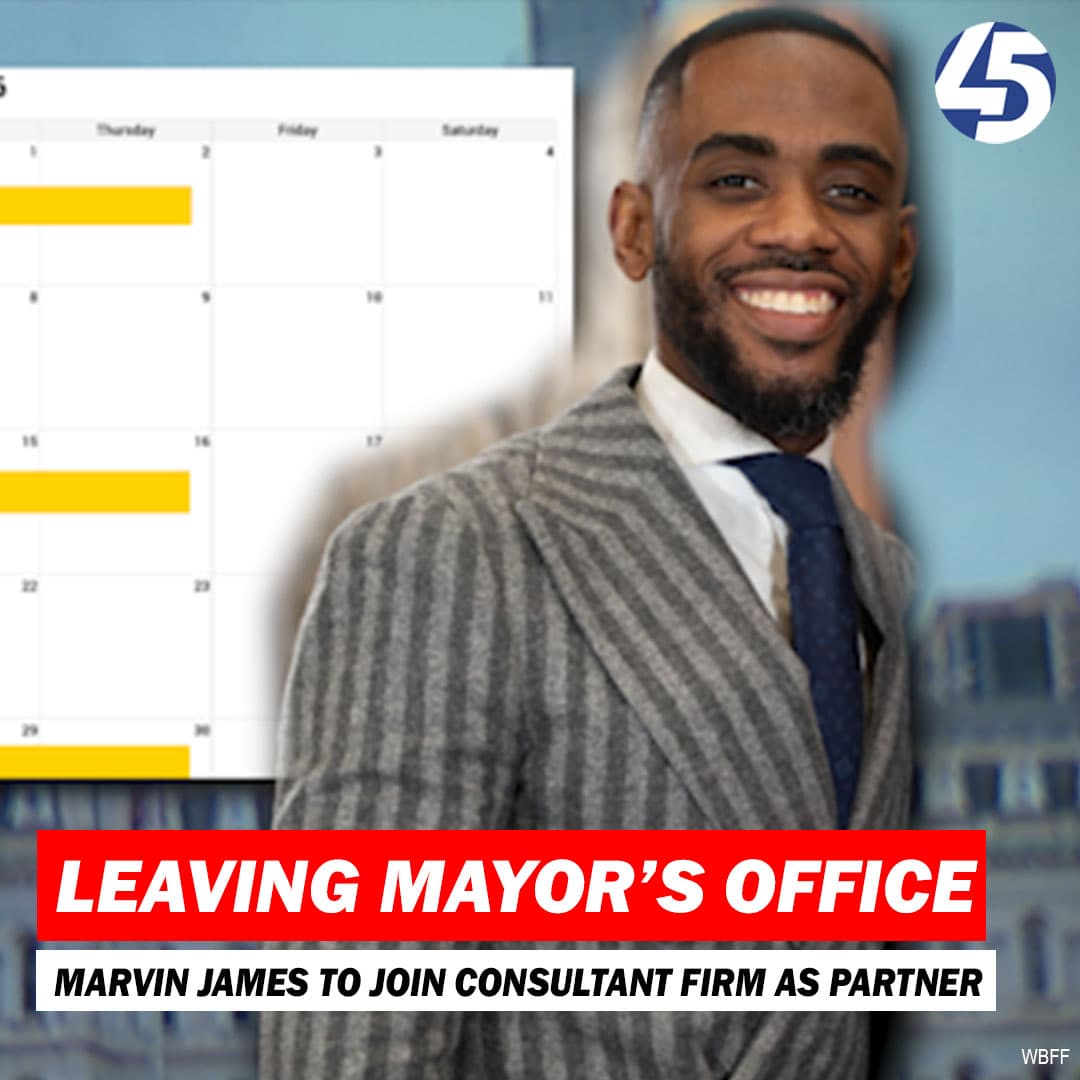
J.D. Merrill, Scott’s chief of staff, filed the complaint letter on Tuesday, April 21, and described the post as deeply inappropriate, misleading, damaging and racist. The image showed Scott smoking a cigar, drinking what appeared to be alcohol and holding shopping bags in front of a suitcase overflowing with cash. Merrill did not accuse Cumming of a specific ethics violation, but asked the board to determine what corrective action, if any, was warranted to protect accountability, fairness and objectivity in the Office of the Inspector General.
Cumming apologized late Wednesday, April 22, in a two-paragraph statement. She said she had shared a link to third-party commentary on current events, did not initially notice the AI-generated image and deleted the post after receiving feedback. She also apologized to Scott, her staff and city residents. The post linked to a YouTube video that also contained misinformation about Baltimore’s budget.
The Ethics Board complaint was supposed to stay confidential under city rules, but it was leaked to the media, adding another layer of political friction to a dispute already testing City Hall’s trust in its own oversight system. The issue is not only about a social media post. It goes to the credibility of the office charged with examining waste, fraud, abuse and misconduct inside city government.
The clash comes after the Ethics Board already weighed a separate social media dispute involving Cumming. In September 2025, the board found that she did not violate ethics rules when she posted about the AFSCME Local 44 election on her personal accounts. That earlier decision set a boundary around her personal speech, but this new complaint pushed beyond that, with the mayor’s office framing the latest post as politically charged and racist.
The episode also landed in the middle of a broader fight between Scott’s administration and Cumming over access to records tied to the Mayor’s Office of Neighborhood Safety and Engagement. Cumming filed a 21-page lawsuit on February 24, 2026, saying the city had obstructed her subpoena for financial and payroll records. The administration turned over hundreds of pages of heavily redacted documents, and city attorneys later sought to disqualify her outside counsel. In April, a judge appeared skeptical of the city’s position, and Councilman Mark Conway said he would introduce legislation giving the inspector general explicit co-custodianship of city records.
Baltimore’s 2022 charter changes were meant to strengthen, not weaken, that oversight. Voters created an eleven-member Inspector General Advisory Board, made up primarily of citizens, to appoint the inspector general, conduct annual performance reviews and approve the OIG budget. With the mayor’s office and the inspector general now publicly at odds, the practical question is whether the city’s watchdog can keep full focus on spending, contracts and misconduct while its own authority is being contested.
This article was produced by Prism’s automated news system from verified source data, official records, and press releases, then run through automated quality and moderation checks before publishing. The system is built and supervised by the people who set the standards it runs under. Read our full AI policy.
Did this article answer your question?