Judge removes three more Baltimore police consent decree sections from oversight
A federal judge ended oversight of three more police reform sections, including First Amendment activity and school-police coordination, as Baltimore said 83% of the decree is on track.
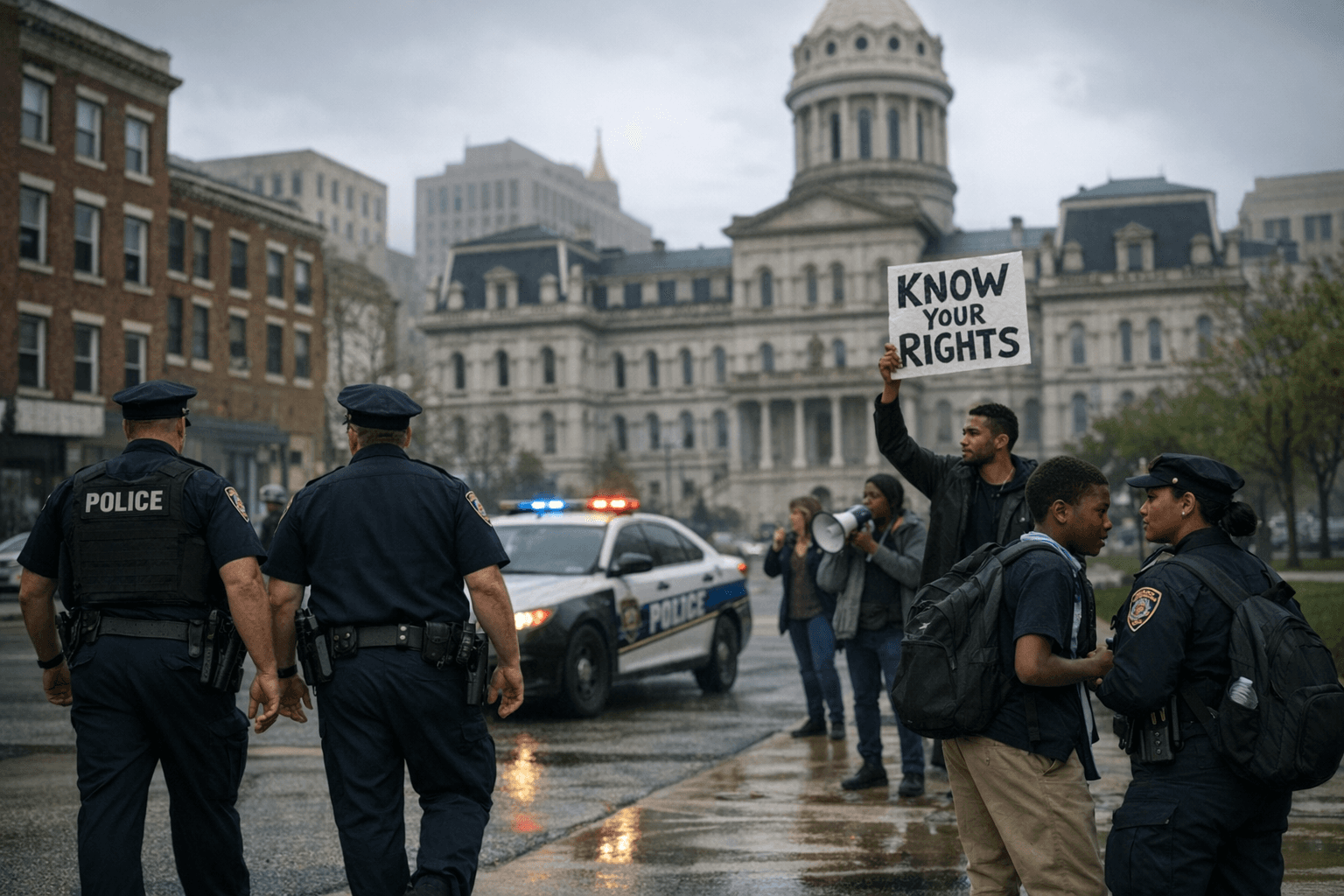
Judge James K. Bredar removed three more parts of Baltimore’s police consent decree from court supervision, trimming oversight of First Amendment-protected activity, coordination with Baltimore City School Police and the Community Oversight Task Force. City officials said the latest ruling leaves more than 83 percent of the decree in compliance or on track, a milestone in a reform case that began after the Justice Department found a pattern and practice of constitutional violations in Baltimore policing.
The move matters less as a sweeping change on the street than as a formal shrinking of what the court still has to watch. Those three sections no longer require the same level of federal monitoring, which means the department has cleared another set of requirements tied to training, oversight and policy. But the decree is far from over. More than 17 percent of it still needs work or continued monitoring, so federal supervision remains a live part of Baltimore’s police reform landscape.
The consent decree grew out of the unrest and accountability crisis that followed Freddie Gray’s death in police custody in 2015. The Justice Department filed the complaint on January 12, 2017, and the decree was entered on April 7, 2017, after federal findings that the Baltimore Police Department had engaged in conduct violating the First, Fourth and Fourteenth Amendments. The city says the reform effort is meant to rebuild community trust and protect residents’ civil and constitutional rights.
Before the April 23 ruling, the Justice Department and Baltimore filed a joint motion in December 2024 asking the court to declare the city and BPD in full and effective compliance with the same three sections. The independent monitoring team had already found those sections compliant, and the city later said in March that it had filed another joint motion seeking sustained compliance and termination of two sections, underscoring that this was a step-down process, not an abrupt release from oversight.
Baltimore’s consent-decree dashboard says the monitoring team measures progress through planning and policy, training, implementation and on-track or off-track status. The city has already seen other provisions terminated, including transportation-of-persons-in-custody and officer assistance and support, showing that the department is moving section by section rather than all at once. For Baltimoreans, the real test is still whether those changes endure without federal pressure, and whether the department can prove that compliance has become routine rather than temporary.
This article was produced by Prism’s automated news system from verified source data, official records, and press releases, then run through automated quality and moderation checks before publishing. The system is built and supervised by the people who set the standards it runs under. Read our full AI policy.
Did this article answer your question?